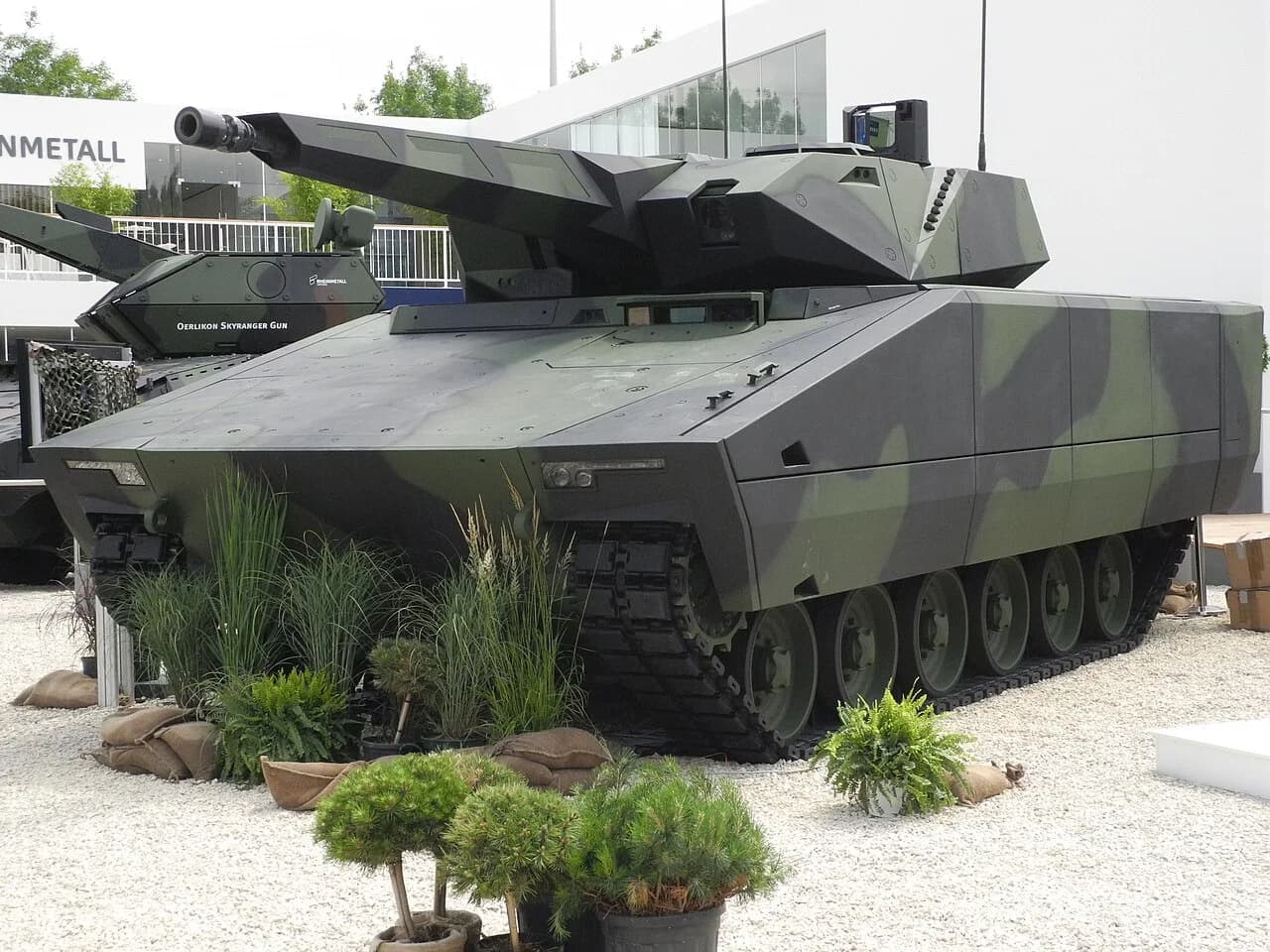
Romania's Ministry of Defence has ordered 66 more Lynx combat vehicles from German defence company Rheinmetall in a call-off worth around €738 million, Rheinmetall said in a press release dated 27 November 2026. The order completes a framework contract for 298 vehicles that Romania signed in May 2026.
What has Romania ordered?
The 66 vehicles are the second and final call-off under the framework contract, according to Rheinmetall. The first call-off, for 232 vehicles, was placed when the contract was awarded in May. Most of the vehicles in the new batch are infantry fighting vehicles; the rest are armoured mortar carriers, command post vehicles and medical evacuation vehicles. Deliveries are due to start in 2028 and finish by 2030.
What does it mean for Romania's industry?
Rheinmetall said a large share of the value added will be generated in Romania. The company says it is investing "several hundred million euros" to expand production in the country, with the aim of creating thousands of jobs, involving more than 200 subcontractors and transferring technology. Rheinmetall already operates in Romania through its subsidiary Rheinmetall Automecanica in Mediaș, and other Rheinmetall sites will also take part in the contracts.
How does this fit Europe's defence spending push?
The order follows a much larger package. In May 2026 Romania commissioned Rheinmetall under the European Union's Security Action for Europe (SAFE) programme for combat vehicles, air defence systems, ammunition and components, and four naval vessels, with a total value of €5.7 billion, according to the company, which called it the largest international order package in its recent history.
The order comes as European governments debate how to fund defence and support for Ukraine; EU leaders at their Brussels summit this week ended without a deal on the 2028-2034 budget and a €45 billion Ukraine loan.
What happens next?
With the full 298 vehicles now ordered, attention shifts to building up production capacity in Romania ahead of the first deliveries from 2028. Rheinmetall's release does not give a breakdown of how many vehicles will be built in Romania.
Photo source · Wolpat, CC BY-SA 4.0