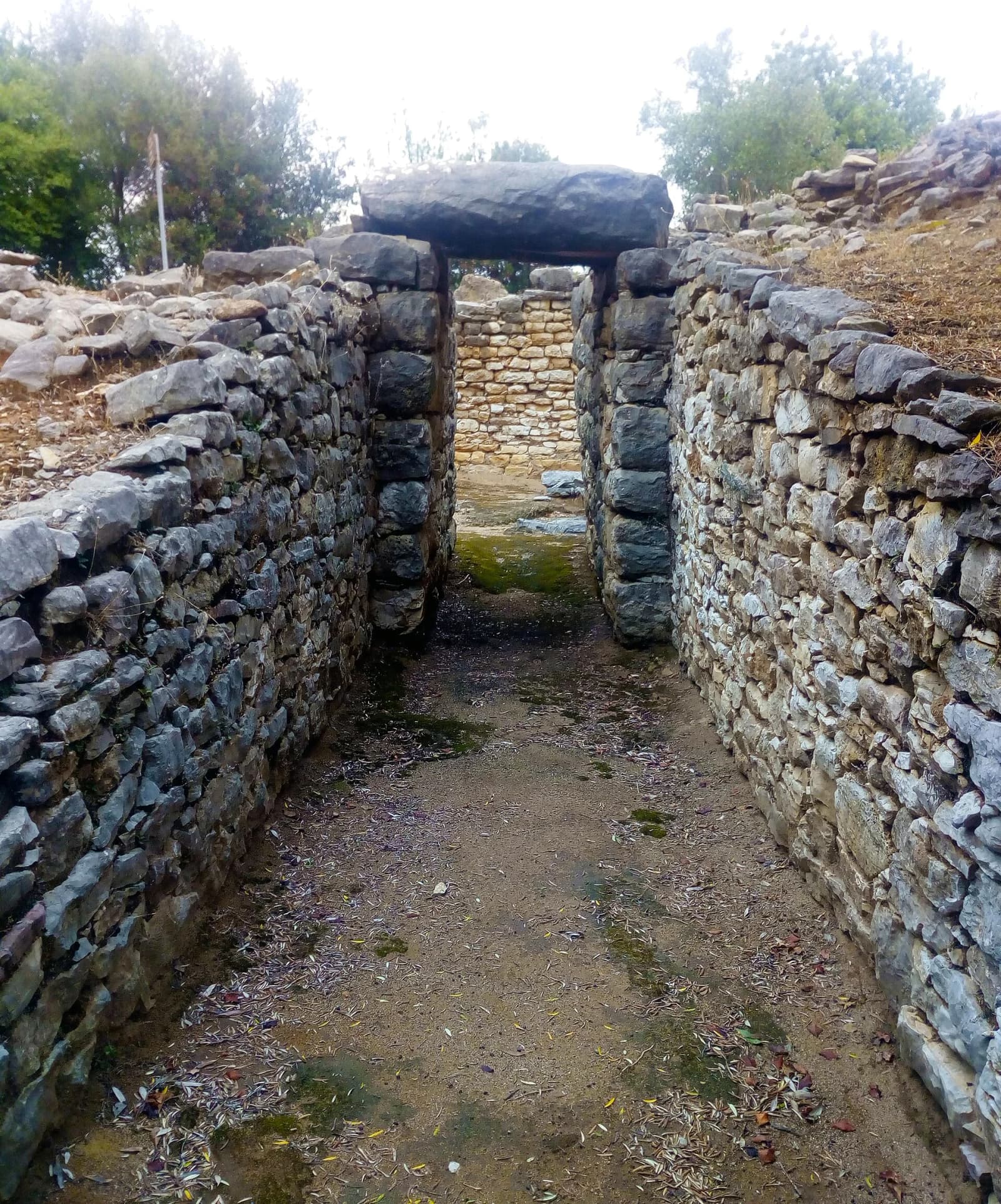
Athens / Euboea: Archaeological crews and road engineers working on a bypass connecting Chalkida and Psachna on the Greek island of Euboea have uncovered a monumental Mycenaean tholos tomb estimated to be more than 3,200 years old, ranking among the 20 largest Bronze Age burial chambers ever documented in Greece.
Late Bronze Age Monument Near Psachna
Archaeological records indicate that the vaulted beehive-style burial chamber is the 126th Mycenaean tholos tomb identified across Greece. Dating to roughly 1200 BC — the Late Bronze Age era linked with Homer's accounts of the Trojan War — the island was inhabited by the Abantes, leading researchers to examine whether the monument held a prominent local ruler.
Euboea lawmaker Thanasis Zempilis, who inspected the site alongside officials from the Ephorate of Antiquities of Euboea, noted that the exceptional scale of the stone-lined entrance corridor and vaulted chamber points to an elite figure of considerable standing.
Bridge Proposed to Protect the Bypass Site
Because the discovery occurred directly along the alignment of the Chalkida-Psachna bypass — a road project launched in 2023 with a pre-tax budget of about 90.9 million euros — authorities are evaluating engineering changes so construction can proceed without disturbing the ancient monument.
Zempilis proposed building a protective bridge over the excavation zone under the supervision of Greece's Central Archaeological Council, while tapping European Union 2021-2027 development funds to finance restoration and future public access.
Clues to Aegean Trade and Political Networks
Tholos tombs demanded extensive resources, skilled masonry, and coordinated labour, featuring an elongated dromos passage opening into a circular stone burial hall. Further excavation at Psachna is expected to clarify how Euboean Bronze Age settlements interacted with major Mycenaean palaces on mainland Greece and wider Aegean networks.