Farmers from 20 villages in the Sarangpur-Pachore area of Madhya Pradesh's Rajgarh district gathered at the collectorate on Tuesday, 17 November 2026, raised slogans and handed over a memorandum at the weekly public hearing, demanding irrigation water for rabi crops that they say are close to drying up, Patrika reported.
'Canal built 25 years ago, water never came'
According to the report, the farmers say a canal project was built in their area about 25 years ago but its water has never reached their fields. This season, they told the newspaper, wells and borewells are failing, the local stop dams are dry, rainfall has been low and the groundwater level is falling.
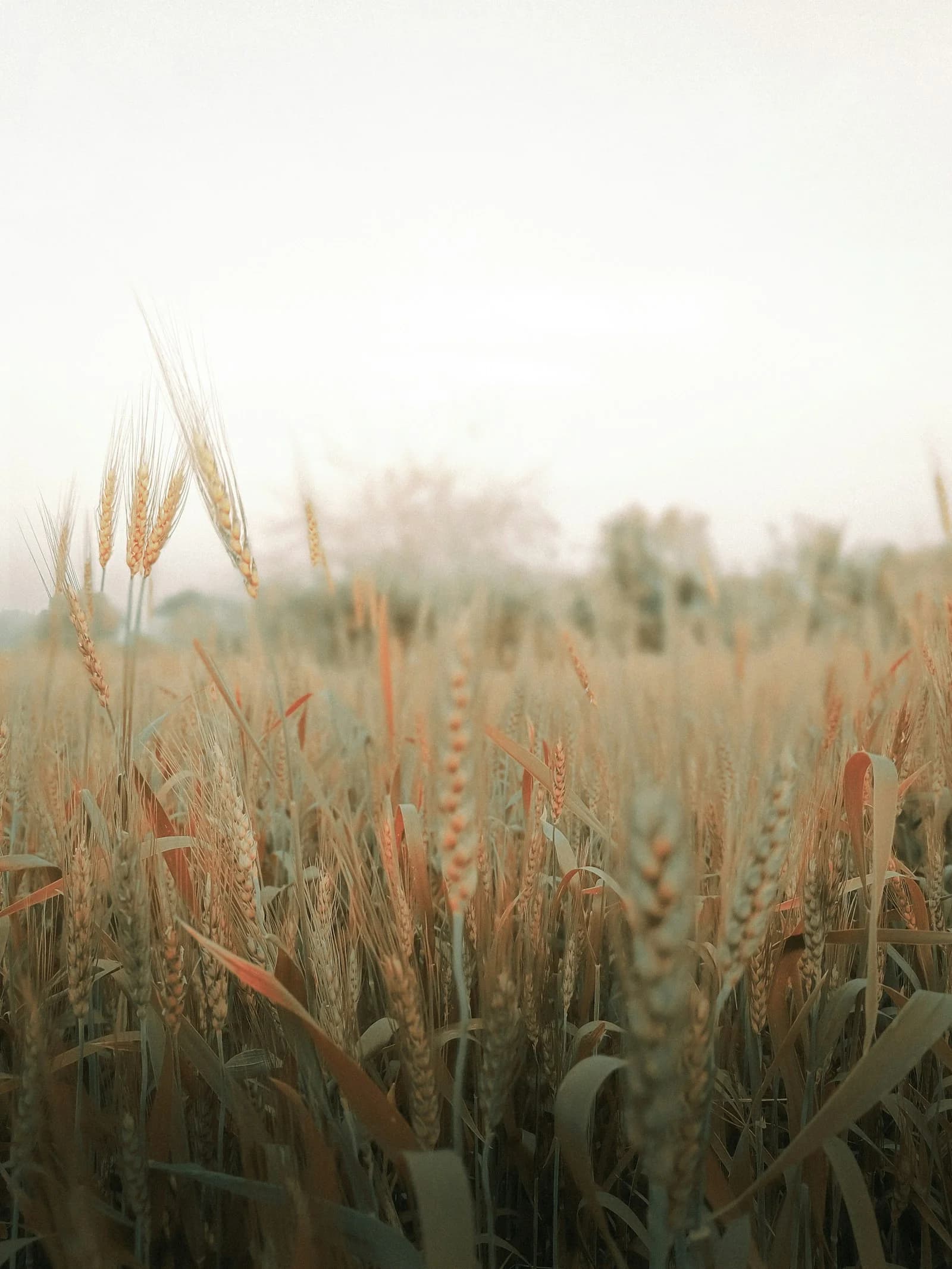
The farmers have already sown wheat, gram, mustard and lentil and spent money on the crop, the report said. The affected villages are spread over two assembly constituencies and the Sarangpur, Pachore and Narsinghgarh areas.
What the farmers want
As listed in the Patrika report, the memorandum asks the administration to:
- release water from the Kundaliya dam into the Nevaj river for 15 days at a stretch through the dam's drinking-water line;
- open that drinking-water line so that water can reach the fields; and
- send Water Resources Department officials to inspect the area and arrange irrigation from whatever sources are available.
Chander Ruhela, a farmer from Gindauli in Pachore, told Patrika that the drinking-water line is the only source from which water can come at present. He blamed the negligence of officials and contractors for water not being held in the stop dams.
Dashrath Singh Rana of Sarasakhedi told the newspaper that the crop would be damaged if water was not released. He said the Chauma stop dam and four or five others in the area are empty, and that even a single release would be enough.
Earlier letters, no official response yet
The farmers said they had earlier written to state minister Gautam Tetwal, Narsinghgarh MLA Mohan Sharma and the collector, but the problem was not resolved. They warned that the entire crop could be affected, with heavy losses, if water does not arrive in time.
The Patrika report did not carry any response from the district administration or the Water Resources Department, and no decision or timeline on releasing water had been reported at the time of writing. The farmers' account of the canal and the stop dams could not be independently verified.