President Droupadi Murmu on Tuesday, 17 November 2026, inaugurated the year-long golden jubilee celebrations of the Indian Council of Medical Research-National Institute of Malaria Research (ICMR-NIMR) in New Delhi, according to a statement from the President's Secretariat issued through the Press Information Bureau.
The President said malaria has long been a serious public health problem in many countries, India among them, and that at the time of independence it was one of the most critical health challenges the country faced. She said India has made remarkable progress in controlling the disease over the last few years.
What the President said on India's progress
According to the statement, the President credited better healthcare services, modern diagnostic techniques, effective medicines, mosquito-control campaigns and community participation for curbing the spread of malaria. She noted that India moved out of the World Health Organization's 'High Burden to High Impact' category in 2024, and described this as the outcome of collective work by public health programmes, scientists, healthcare workers and citizens.
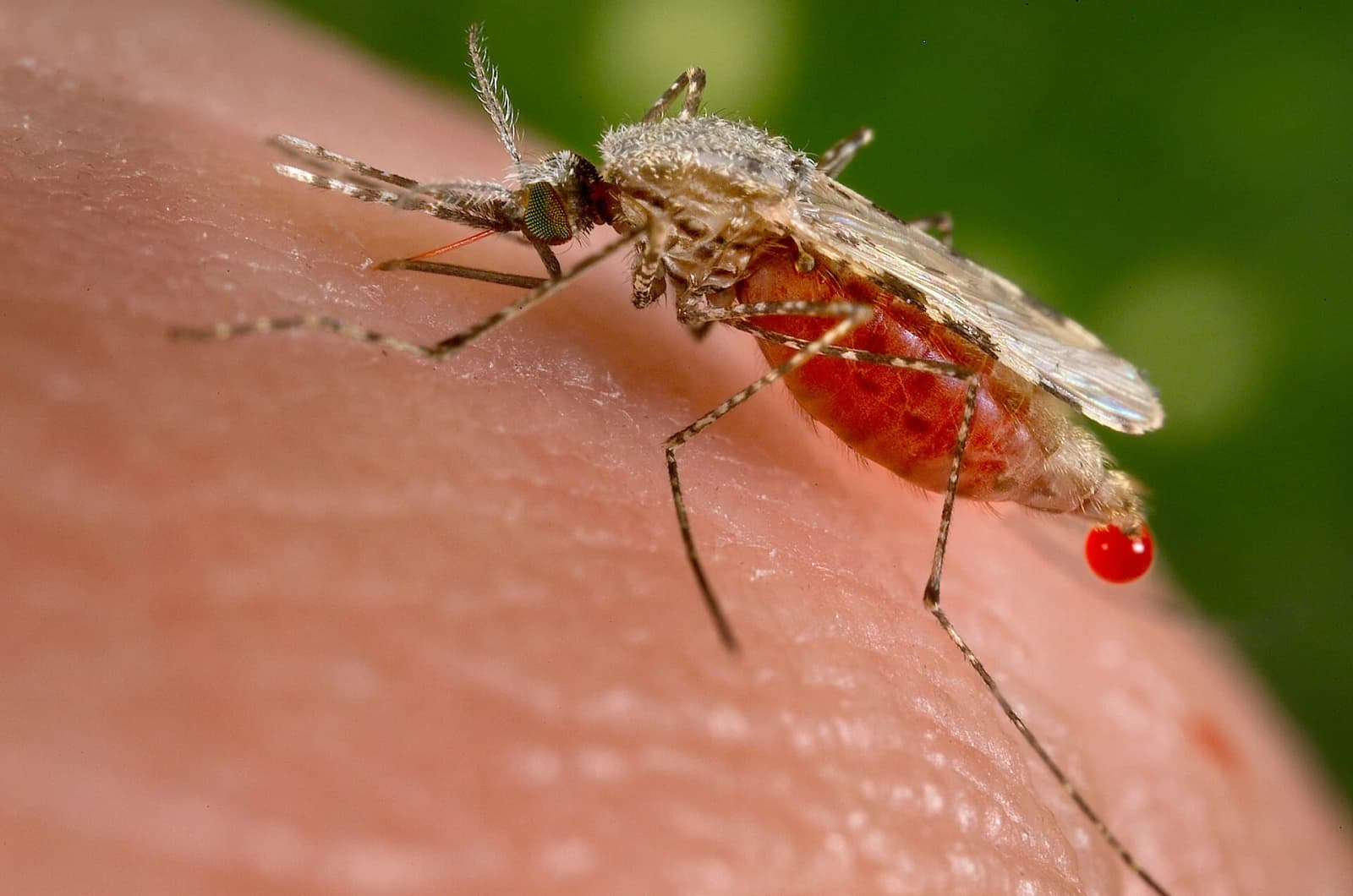
She said the National Institute of Malaria Research has played a pivotal role in this effort. Over five decades, the statement said, the institute has carried out research on malaria parasites, mosquitoes, vector control, insecticide resistance and community-based surveillance.
New challenges: climate, cities and resistant mosquitoes
The President cautioned that climate change, unplanned urbanisation and mosquitoes' growing resistance to insecticides could create fresh obstacles to eradicating malaria. In such a situation, she said, the efforts of healthcare workers alone cannot stop the disease from spreading.
- She called for attention to preventing water stagnation.
- She stressed eliminating mosquito breeding sources.
- She said managing the environment is also necessary.
The President also said dengue has emerged as a major challenge in recent years, and that global warming and shifts in monsoon patterns are likely to make it more formidable.
ICMR's wider role
The statement quoted the President as saying that ICMR's research has given direction to India's fight against tuberculosis, leprosy and kala-azar, and that the council has helped shape national health programmes. During the COVID-19 pandemic, she said, it set up a nationwide testing network in record time and was a partner in developing India's first indigenous COVID-19 vaccine.
What happens next
The celebrations inaugurated on Tuesday are to run for a year. Linking the occasion to the goal of a developed India by 2047, the President said strong collaboration among research institutions, centres of technical and higher education and industry is crucial, and that institutions such as ICMR can take the lead in fostering it. She expressed confidence that ICMR and its affiliated institutions will contribute to the country's health goals through research, collaboration and innovation.