A disciplinary court of Poland's Constitutional Tribunal in Warsaw on Thursday, 26 November 2026, suspended the tribunal's president, Bogdan Święczkowski, from his duties for 12 months, deepening a months-long battle over who legitimately runs the country's top constitutional court. Święczkowski rejected the ruling as unlawful.
Why was Święczkowski suspended?
The court said he had refused to allow five judges elected by the current Sejm, the lower house of parliament, to hear cases. The three-member panel was chaired by Judge Magdalena Bentkowska and also included Krystian Markiewicz and Maciej Taborowski, two of the judges elected by the Sejm, Polsat News reported.
According to Interia, Bentkowska said Święczkowski had kept those judges out of adjudication and out of the tribunal's General Assembly even after they submitted the required documents, including proof that they had taken their oath before the President of Poland. She said the 12-month period is intended to allow a disciplinary proceeding to rule on the charges against him as a judge and as head of the tribunal.
How has Święczkowski responded?
In a statement posted on X by a tribunal spokesperson, Święczkowski said the panel was ruling on a matter that concerned its own members, invoking the legal principle that no one may be a judge in their own case. He described the panel members as "usurpers in judicial robes" and declared their decisions unlawful and without legal effect, pointing in particular to a Supreme Court resolution of 10 November 2026.
How did the dispute begin?
On 30 October, Judge Anna Korwin-Piotrowska ordered Święczkowski and Vice-President Bartłomiej Sochański to step away from their duties immediately and, the same day, took over leadership of the tribunal as its most senior judge. Both men appealed. After first saying it lacked jurisdiction, the Supreme Court's Professional Liability Chamber annulled both orders on 10 November.
Korwin-Piotrowska maintains that the Supreme Court ruling does not affect the suspensions and that only the tribunal's own disciplinary court can review them. Bentkowska took the same view on Thursday, saying the Supreme Court has no power to review such orders and that tribunal judges answer for disciplinary matters only before the tribunal itself.
Last week, a General Assembly of tribunal judges convened by Korwin-Piotrowska lifted the immunity of Święczkowski and Sochański at the request of the Prosecutor General, Interia and Polsat News reported. Interia said the assembly allowed Święczkowski to be held criminally liable over four alleged abuses of power during his earlier time as First Deputy Prosecutor General and National Prosecutor, including repeatedly reassigning nine prosecutors in breach of their employment rights. It also cut his salary by 50 per cent but did not approve his detention or arrest. Święczkowski has challenged the legality of that assembly, arguing it was not validly convened. The allegations against him have not been tested in court.
What has the government said?
Prosecutor General Waldemar Żurek welcomed the direction of events. Interia quoted him as saying that respecting the decisions of independent institutions is how the rule of law is restored, and that the tribunal, which he called a former "private fiefdom", is returning to serving citizens.
What happens next?
A disciplinary proceeding against Święczkowski is set to run for up to 12 months. A separate disciplinary hearing concerning Sochański, scheduled for Thursday, was called off because one of the panel judges was on leave, and no new date was reported. With the Supreme Court and the tribunal's disciplinary court taking opposing positions, it remains unresolved which rulings Polish state bodies will treat as binding.
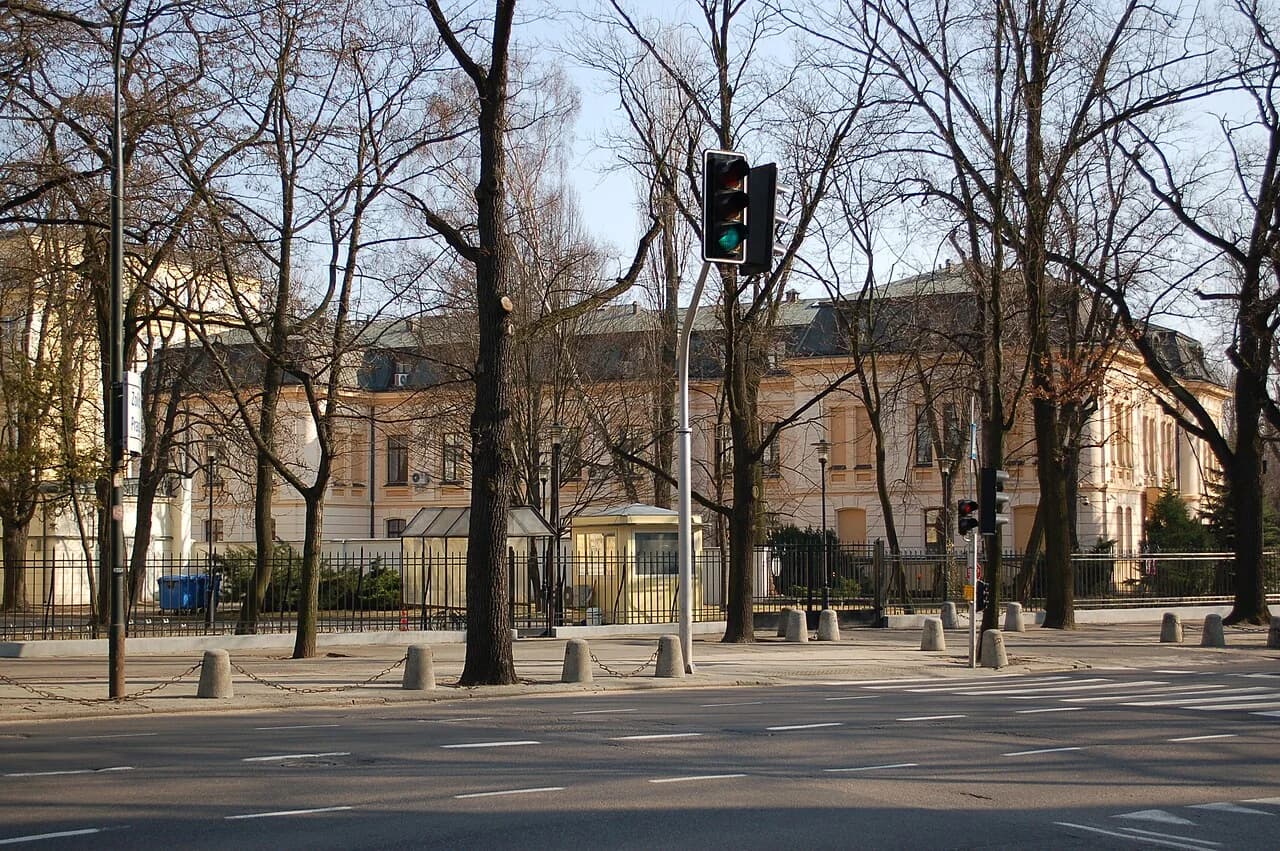
Photo source · Wistula, CC BY-SA 3.0