The Philippines has won the first-ever Eurovision Song Contest Asia. Nineteen-year-old singer Carmelle (Carmelle Collado) took the title in Bangkok on Saturday, 14 November 2026, with her dance-pop track "Sobra-Sobra", beating ten other acts from across the continent on the debut night of Eurovision's new Asian edition.
According to the Associated Press, the singer described her winning entry as a celebration of female empowerment and "a tribute to all Filipino women". Speaking to the agency after the result, she said: "I made history, since this was the first time," adding that the win was "such a big responsibility for me, because this one is a global stage."
How the night unfolded
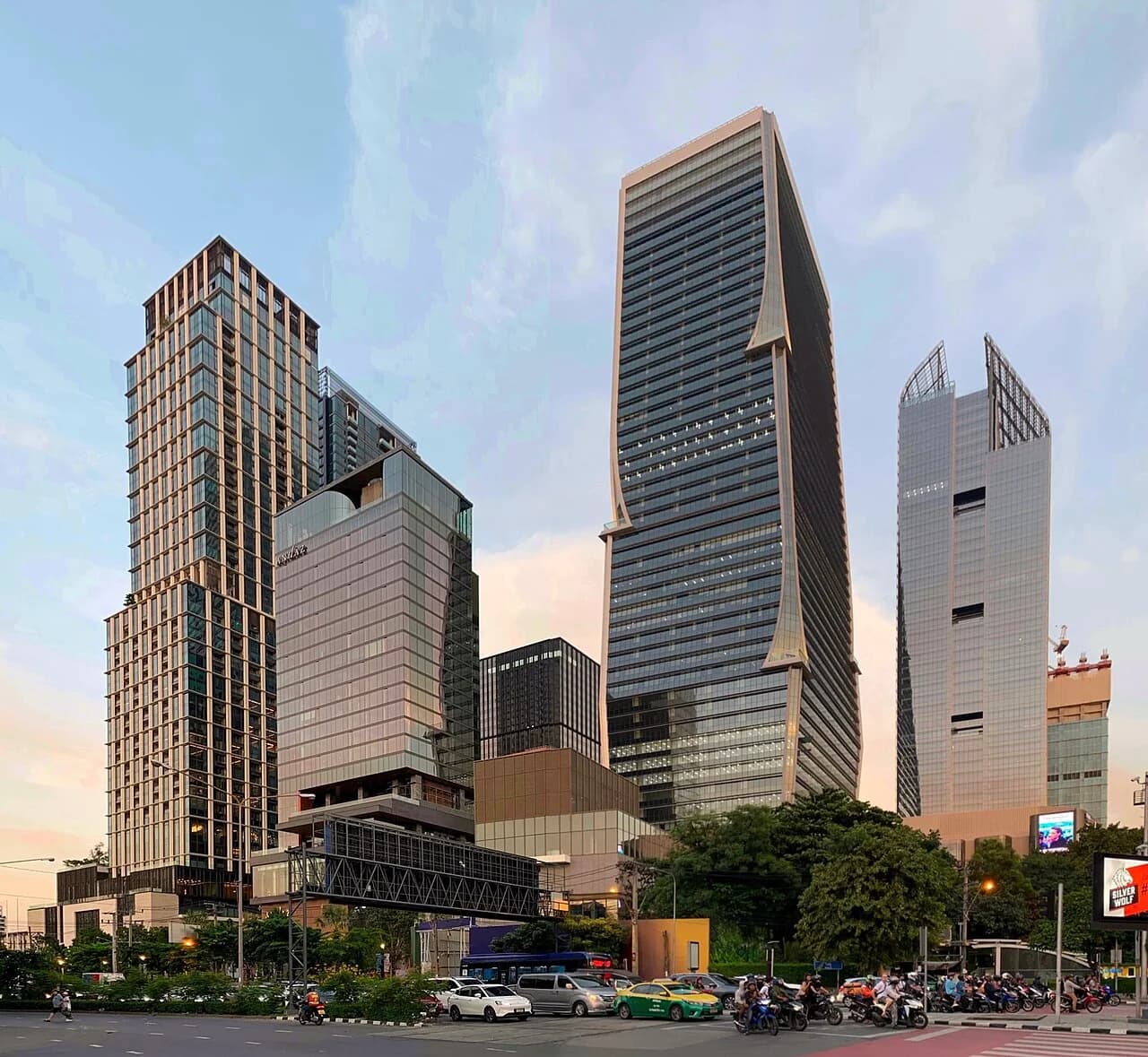
The final was staged at One Bangkok Forum in the Thai capital, as reported by Israel's Ynet, in front of thousands of fans, the AP said. Unlike the European contest, the inaugural Asian edition had no semi-finals: all 11 entries performed in a single evening. In a colourful touch, the contestants arrived by tuk-tuk, waving their national flags.
The result was decided by a combination of national jury scores from participating countries and a public vote by viewers.
- 1st: Carmelle (Philippines), "Sobra-Sobra"
- 2nd: Mang x Daou (Thailand), "Aroma", a romantic pop song
- 3rd: Tóc Tiên (Vietnam), "Em Tiên"
- 4th: Aina Abdul (Malaysia), ballad "Bluest Sky"
- 5th: Thinla (Laos), dance track "Bae"
The other competing countries were Bhutan, South Korea, Mongolia, Nepal, Cambodia and Bangladesh. Bulgarian singer Dara, who won the 70th Eurovision Song Contest in Vienna earlier this year with "Bangaranga", performed as a special guest.
What about India?
India was not among the 11 countries in the first edition. None of the reports on the final mention an Indian entry, although neighbours Nepal, Bhutan and Bangladesh did take part, giving South Asia a presence on the Bangkok stage.
Why it matters
Eurovision Asia is the first time the decades-old European song contest format has been taken to another continent as a multinational event. Eurovision historian Dean Vuletic, who attended the show, told the AP it offered a "great window into the musical cultures of Asia".
The European contest has repeatedly been pulled into geopolitics, despite organisers' efforts to keep music and politics apart. Russia was expelled in 2022 after its full-scale invasion of Ukraine, the Israel-Hamas war triggered protests and tighter rules on political flag-waving, and Spain, the Netherlands, Ireland, Iceland and Slovenia boycotted this year's edition over Israel's participation. Vuletic said the Asian event appeared less overshadowed by politics, though he noted that a closer look at voting patterns might still reveal political leanings.
What happens next
There is no cash prize, and the win does not automatically give the Philippines the right to host the next Asian contest, Ynet reported. Instead, Carmelle will be invited to perform as a guest act at the Eurovision Song Contest 2027 in Burgas, Bulgaria, whose semi-finals are scheduled for 11 and 13 May, with the grand final on 15 May.
For the Philippines, the victory caps a remarkable debut: its first appearance in the competition has ended with the first crown. Whether India joins future editions remains to be seen.