Farmers and villagers from the Phanda area of Bhopal district in Madhya Pradesh, near the Bhopal–Sehore district border, blocked the Bhopal–Indore highway for about two hours on 28 November 2026 to oppose a proposed cement plant they say would sit in the catchment of Bhopal's Upper Lake. Protesters sat on the road reciting the Hanuman Chalisa as vehicle queues stretched roughly 4 km on both sides, and they lifted the blockade only after local officials promised that their objections would be sent up for a fresh public hearing.
What happened on the highway?
The blockade ran from around 1 pm to 3 pm, according to People's Update, and followed a meeting of villagers after local markets in Phanda were kept shut for the day. Free Press Journal reported that the jam stretched nearly 4 km in each direction. Huzur Sub-Divisional Magistrate (SDM) Vinod Sonakia and Tehsildar Kunal Raut reached the spot and assured protesters that their objections would be forwarded to senior officials. The SDM said a proposal would be sent to the Madhya Pradesh Pollution Control Board for a fresh public hearing, after which the road was cleared.
The protest built on a torch march that villagers held against the project on the night of Thursday, 26 November.
Which project are villagers opposing?
Navbharat Live and Haribhoomi reported that the plant is proposed by UltraTech Cement. Haribhoomi described it as a grinding unit at Phanda Kalan, with a reported investment of about Rs 700 crore, an annual capacity of 8 million tonnes and use of 27.49 hectares of agricultural land, while noting that these figures still need to be confirmed from official approval documents. No statement from the company was reported on Saturday.
Why are residents worried?
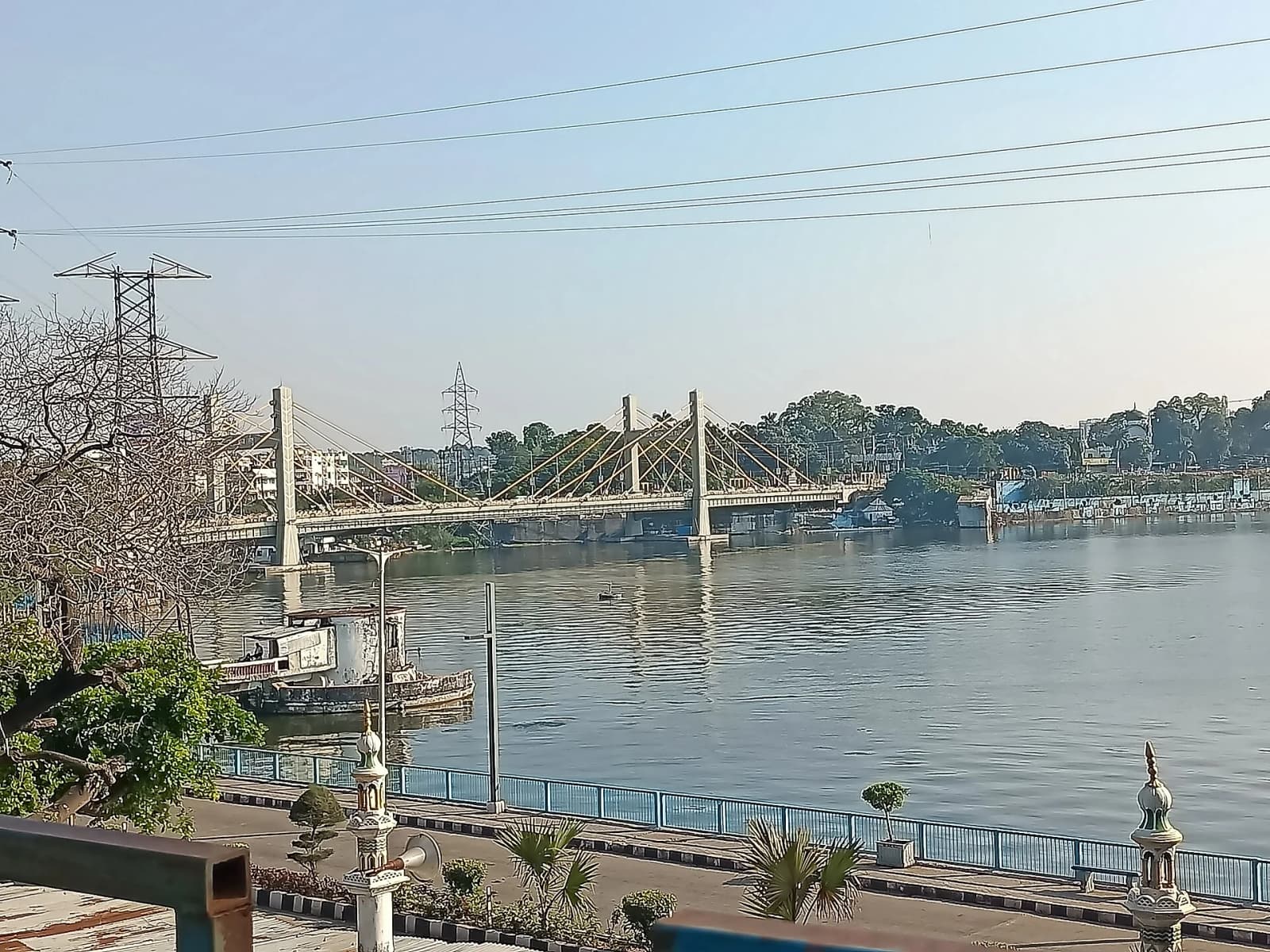
Villagers say the site lies within the catchment of the Upper Lake, or Bhojtal, one of Bhopal's main drinking-water sources. The lake is part of the Bhoj Wetland, which India designated as a wetland of international importance under the Ramsar Convention on 19 August 2002, covering 3,201 hectares, according to the Union Environment Ministry's list of Ramsar sites.
Protesters raised three main fears:
- Dust: cement dust settling on crops and causing respiratory illness, especially among children and the elderly.
- Groundwater: heavy water use by the plant drying up wells and tube wells used for irrigation and drinking.
- Pollution of the lake: chemical and waste discharge reaching water bodies that feed the Upper Lake.
Congress leader Anokhi Man Singh Patel said the factory would come up in villages within the lake's catchment and warned of both water and air pollution. Anil Hada, a district panchayat representative, said nearby villages would be affected. Villagers also demanded that the project's environmental report be made public, and Navbharat Live reported that some warned of marching towards the Chief Minister's residence if construction were pushed through.
How have local leaders responded?
Phanda Janpad Panchayat president Pramod Singh Rajput apologised to residents at the gathering, admitting that he had supported a development proposal in the catchment area to strengthen the local economy. Bharatiya Janata Party (BJP) MLA Rameshwar Sharma wrote to the state environment department, urging it to weigh local opposition and hold another public hearing before granting permission for the plant, Free Press Journal reported.
What happens next?
The immediate next step is the SDM's proposal to the Pollution Control Board for a fresh public hearing; no date has been announced. Whether a new hearing is ordered, and what the official project documents show about the site's location relative to the lake's catchment, will determine the next phase of the dispute.
Photo source · Bilal Nibraas, CC BY-SA 4.0