Food safety authorities in Chhindwara district of Madhya Pradesh have barred the sale of one batch of Patanjali Cow Ghee after a sample was declared unsafe, Patanjali Foods Limited has told the stock exchanges. The disclosure was reported on 21 November 2026.
According to the company's regulatory filing, as reported by ET Now, the prohibition order was issued by the Food Safety Administration in Chhindwara after the sample was found not to conform to standards prescribed under the Food Safety and Standards Act, 2006.
What exactly has been banned?
Only the sale of one identified batch of Patanjali Cow Ghee in Chhindwara district is covered by the order. The order is dated 16 November 2026 and the company received it on 20 November, according to ET Now and the market news service ScanX.
The reports did not publish the batch number or specify which quality parameters the sample failed. Consumers holding Patanjali Cow Ghee have not been given any wider advisory in the reports reviewed, and the order does not cover the product range as a whole.
How has Patanjali Foods responded?
Patanjali Foods said it would submit the sample for retesting and file an appeal against the order if required.
The company also said the development would have no material impact on its financial or operational activities, apart from the value of the cow ghee in the affected batch.
Is this the first regulatory action involving Patanjali ghee this season?
No. The Madhya Pradesh order comes weeks after the Maharashtra Food and Drug Administration (FDA), led by Commissioner Tukaram Mundhe, acted against Patanjali Cow Ghee stocks held by a super distributor in Chhatrapati Sambhajinagar.
In that case, the regulator seized 4,032 units of Patanjali Cow Ghee, amounting to 2,279 litres across two batches, at M/s Divya Mahavitarak in Sundarwadi, ET Now reported. The action was part of a wider festive-season drive in which the FDA suspended the licences of 19 food business operators, including the Patanjali super distributor.
At the time, in a clarification dated 3 November, Patanjali Foods said the regulatory communication had been addressed to the distributor and not to the company. It added that neither it nor the distributor had received an authenticated laboratory report showing that the samples had failed quality tests, and stressed that collecting samples for testing does not by itself establish adulteration or substandard quality.
Why it matters
The two actions show state food regulators testing a widely sold packaged ghee brand during and after the festive season. According to an FDA press note reported at the time, Maharashtra's festive drive ran through October, with intensive inspections between 28 and 31 October, and food items worth about ₹9 crore, including Patanjali ghee, were seized. Maharashtra's FDA has remained active since; the state recently withdrew its Bombay High Court challenge to food safety regulations framed by the Food Safety and Standards Authority of India (FSSAI).
What happens next?
The outcome of the retest, if Patanjali Foods pursues it, will determine whether the Chhindwara order stands. The company has not said when it will file for retesting or an appeal, and the Madhya Pradesh food safety department's own statement on the order was not available in the reports reviewed.
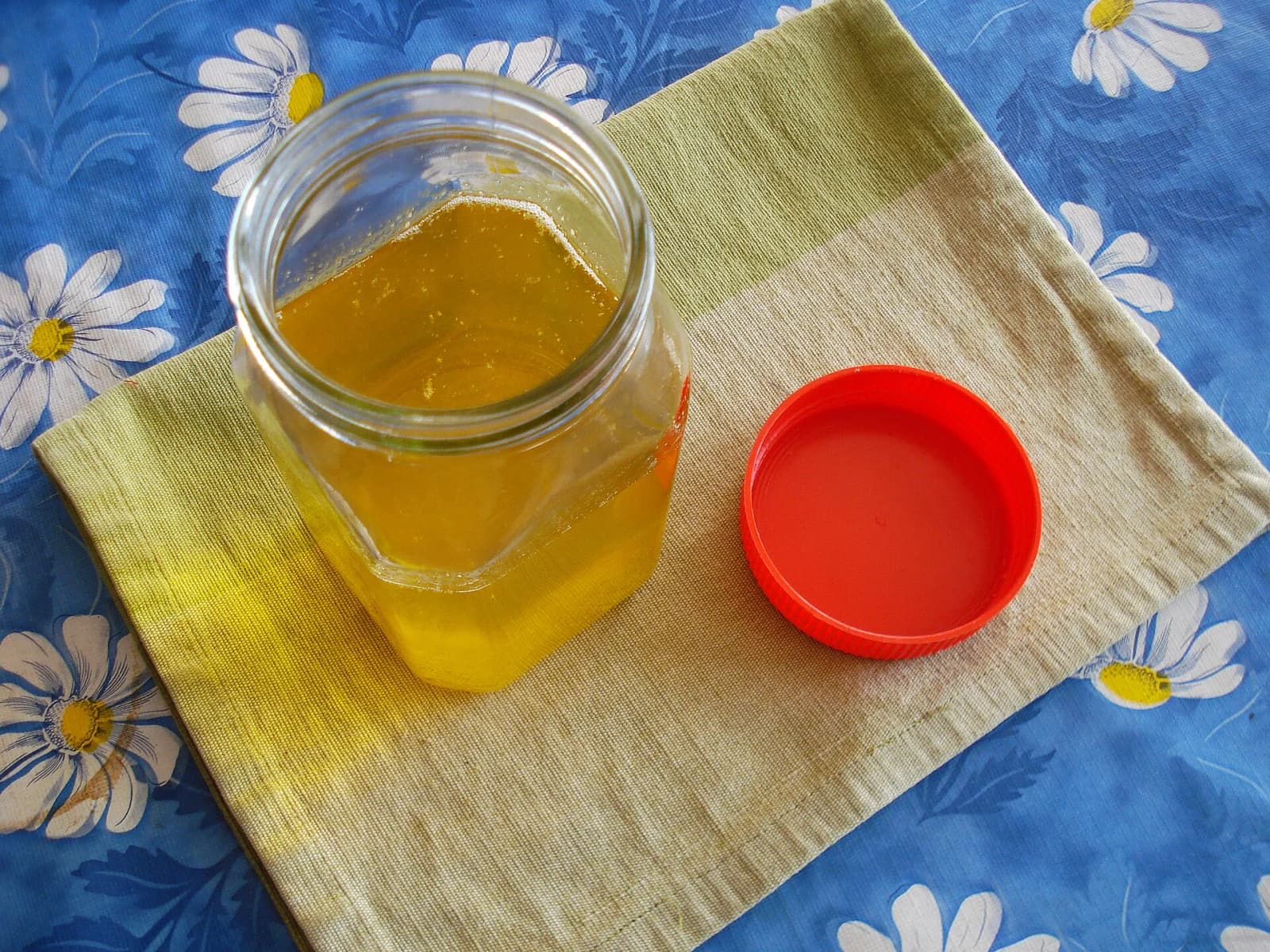
Photo source · Hartej.hundal, CC BY-SA 4.0