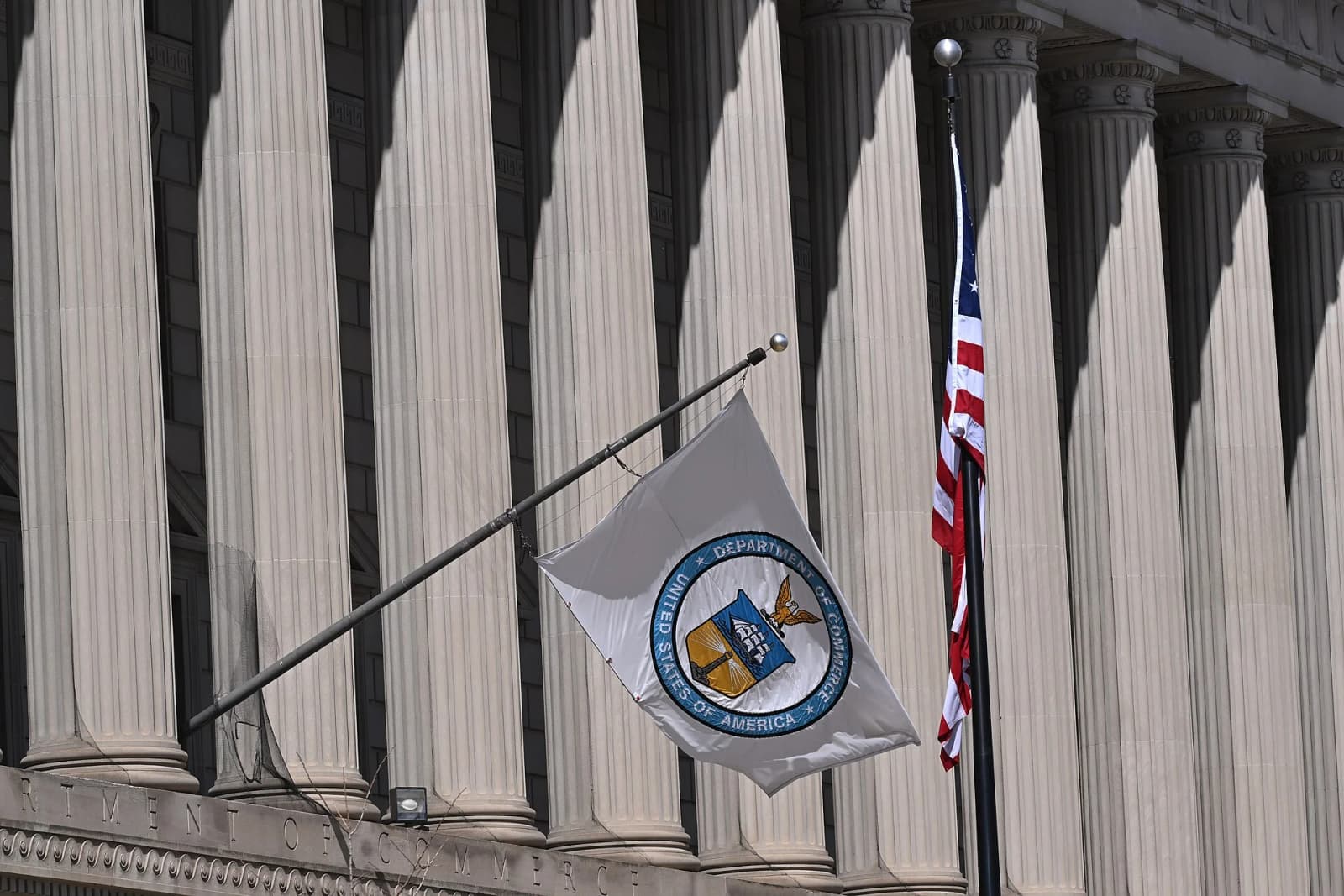
Paraguay's former economy minister Carlos Fernández Valdovinos was formally charged on 28 November 2026 over the collapse of Ueno Bank, a day after he surrendered to police in Asunción. Prosecutors accuse the 61-year-old of steering state pension money into the lender while in office and later taking a lucrative consulting deal from the business group that controlled it. He becomes the latest senior figure caught up in a scandal that has already brought down President Santiago Peña.
What is Fernández Valdovinos accused of?
He is accused of breach of trust, administration for personal benefit, aggravated passive bribery and money laundering, according to the charge sheet reported by Paraguayan daily ABC Color, which also says he is suspected of criminal association. The case is filed under the name of the former president, "Santiago Peña Palacios and others".
At the heart of the allegations is a ministry resolution he signed on 28 July 2025. It authorised the directorate that manages the Caja Fiscal, the pension fund for public employees, to place 250 billion guaraníes in five-year savings certificates at Ueno Bank. Al Jazeera and AFP describe the transfer as worth tens of millions of dollars.
Prosecutors say that on 6 August 2026, after leaving the ministry, he signed a personal consulting contract with Grupo Vázquez SAE, the group behind the bank, to advise on mergers and acquisitions of regulated financial entities. According to ABC Color, the deal promised US$20,000 a month, an extra US$60,000 each December and an annual bonus equal to 1% of a financial entity's net profit. Prosecutors allege that businessman Federico Miguel Vázquez Villasanti had promised him a personal payment in return for approving the pension placement, and suspect the contract may be linked to it.
No public response from Fernández Valdovinos or his lawyers to the charges was available in the reports reviewed.
What happened in court?
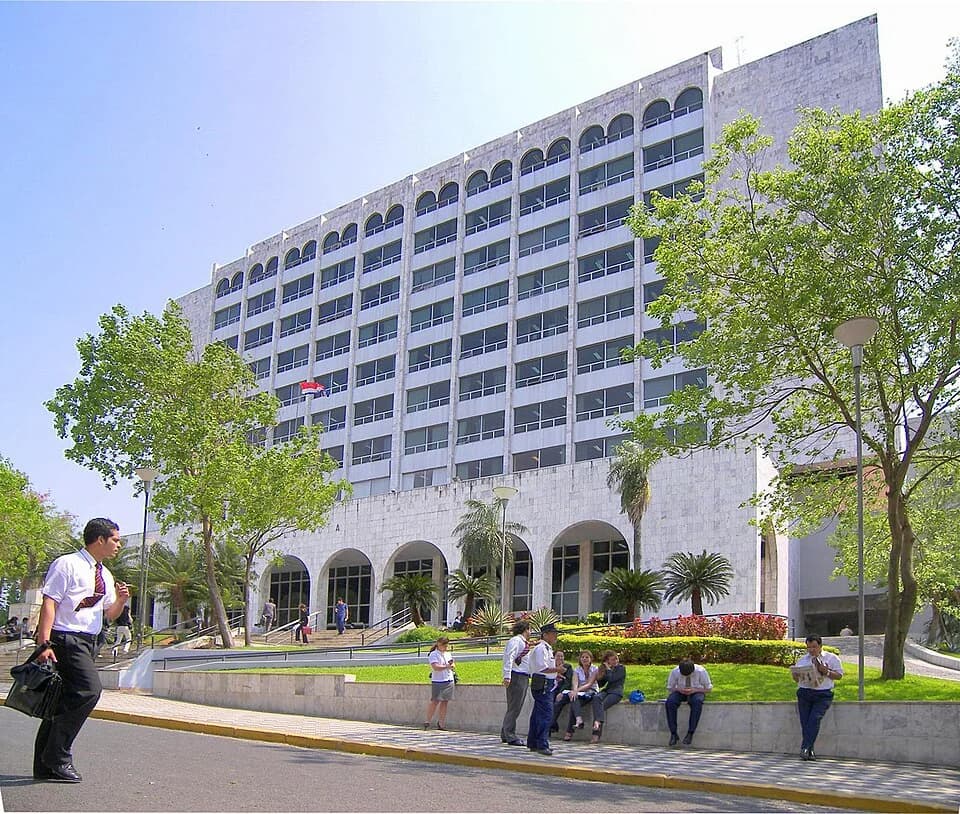
Prosecutors ordered his arrest on 27 November, and he turned himself in that day, according to Al Jazeera. On 28 November he appeared at the Palace of Justice before Judge Osmar Legal of a specialised organised-crime court. Prosecutors asked for him to be held in pre-trial detention and for his assets and bank accounts to be frozen. The judge's ruling on those requests had not been confirmed at the time of writing. His home had been searched by prosecutors and police on 10 November.
How did Ueno Bank collapse?
Paraguay's central bank took control of Ueno on 3 November after declaring it insolvent, Al Jazeera reported, freezing account activity for nearly three million customers. Before the collapse, the lender held about US$850 million in public funds, including retirement savings. It had grown rapidly from a fintech start-up into a major institution handling state pensions and the accounts of government bodies.
The fallout has been political as well as financial. Peña, of the ruling Colorado Party, was removed through impeachment on 6 November after his attempts to resign were rejected, and he has since been arrested along with other former senior officials. He is accused of directing government money to Ueno and playing down its problems despite warnings about risky lending, while having financial ties to the bank. Peña denies wrongdoing and says he sold his shares last year.
Why does it matter for Paraguay's economy?
The case touches the savings of public servants and the credibility of the country's financial oversight. With millions of customers' accounts frozen, ABC Color has also reported that local shops are restocking only essentials while waiting for a pick-up in December trade.
What comes next?
The court's decision on detention will determine whether Fernández Valdovinos awaits trial in custody. Prosecutors are pursuing a wider investigation into how public funds reached Ueno, and further charges against other officials or executives cannot be ruled out as the case proceeds.
Photo source · FF MM, CC BY-SA 3.0