This is a MapMyTimes opinion piece. On 26 November 2026, Tamil Nadu Chief Minister C Joseph Vijay announced 15 days of paternity leave for married male state government employees, to be taken either in the 15 days before a child's birth or at any point in the six months after it. It is the first time the state has offered such leave to its male employees, and it deserves credit. It also deserves a follow-through.
Why does this decision matter?
It matters because it puts on record that caring for a newborn is a job for both parents. In explaining the move, the state government said that fathers provide physical and emotional support during childbirth, that their involvement in caring for the newborn is equally important, and that the leave would help couples share family responsibilities, according to The Hans India. That is the right message from one of India's larger public employers.
The design is sensible too. Allowing the leave before delivery, immediately after it, or later in the infant's first six months gives families room to plan around hospital stays, a mother's recovery, or the weeks when a newborn's care is most demanding.
How does it compare?
Tamil Nadu is catching up rather than leaping ahead on this front. Male central government employees have long had 15 days of paternity leave under Rule 43-A of the Central Civil Services (Leave) Rules, 1972, available within the same window of 15 days before or six months after delivery. Meanwhile, women in Tamil Nadu government service already receive 365 days of maternity leave. The gap between a year for mothers and a fortnight for fathers is a reminder of how much of the caregiving load the system still assumes will fall on women.
What is the strongest case against going further?
The most serious objection is cost and capacity. Every day of leave in a hospital ward, a police station or a classroom has to be covered by someone, and departments that already report vacancies may struggle to absorb longer absences. Critics may also argue that a state with heavy committed spending on salaries and pensions should be cautious about expanding entitlements, and that private employers cannot be expected to match a government benefit.
These are fair concerns. But a 15-day entitlement, available once around a birth and within a defined window, is modest and predictable, which makes it easier to plan for than many other kinds of leave. The harder question is not whether the state can afford a fortnight, but whether the leave will actually be used.
What should come next?
First, clarity. Reports differ on whether a detailed government order spelling out eligibility, conditions and procedure has been made public. The state should publish it so that every eligible employee, and every drawing and disbursing officer, knows exactly how the leave works.
Second, wording. The announcement refers to married male employees. The state may wish to examine whether adoptive fathers, who are covered by a separate paternity leave provision at the Centre, should be included explicitly.
Third, usage data. Publishing how many employees take the leave each year would show whether the benefit is reaching fathers or merely sitting in a rulebook, and would let the state review its length on evidence rather than assumption.
Finally, example. When governments lead on workplace benefits, private employers often follow. Tamil Nadu has made a welcome start; turning it into a habit among fathers will need clear rules, honest data and steady encouragement.
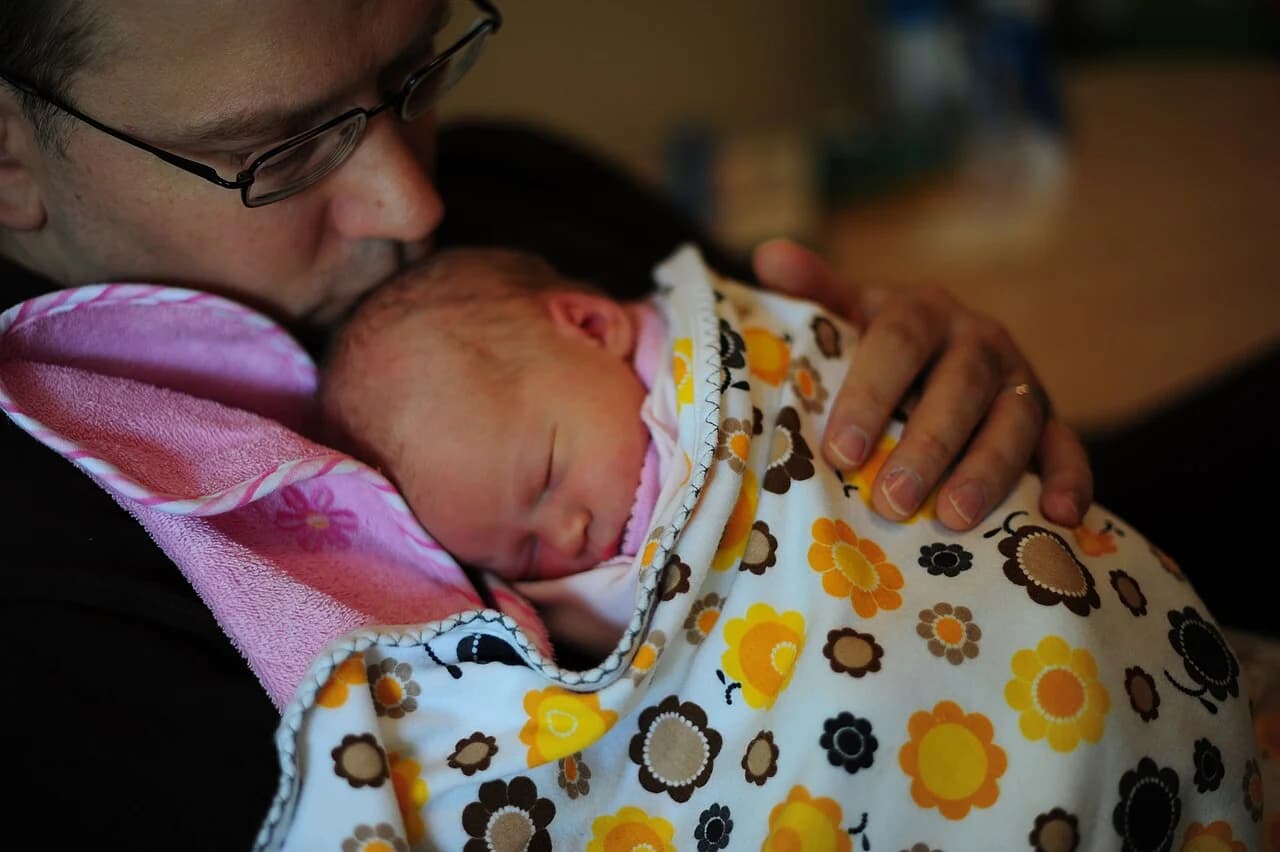
Photo source · Kiefer.Wolfowitz, CC BY-SA 3.0