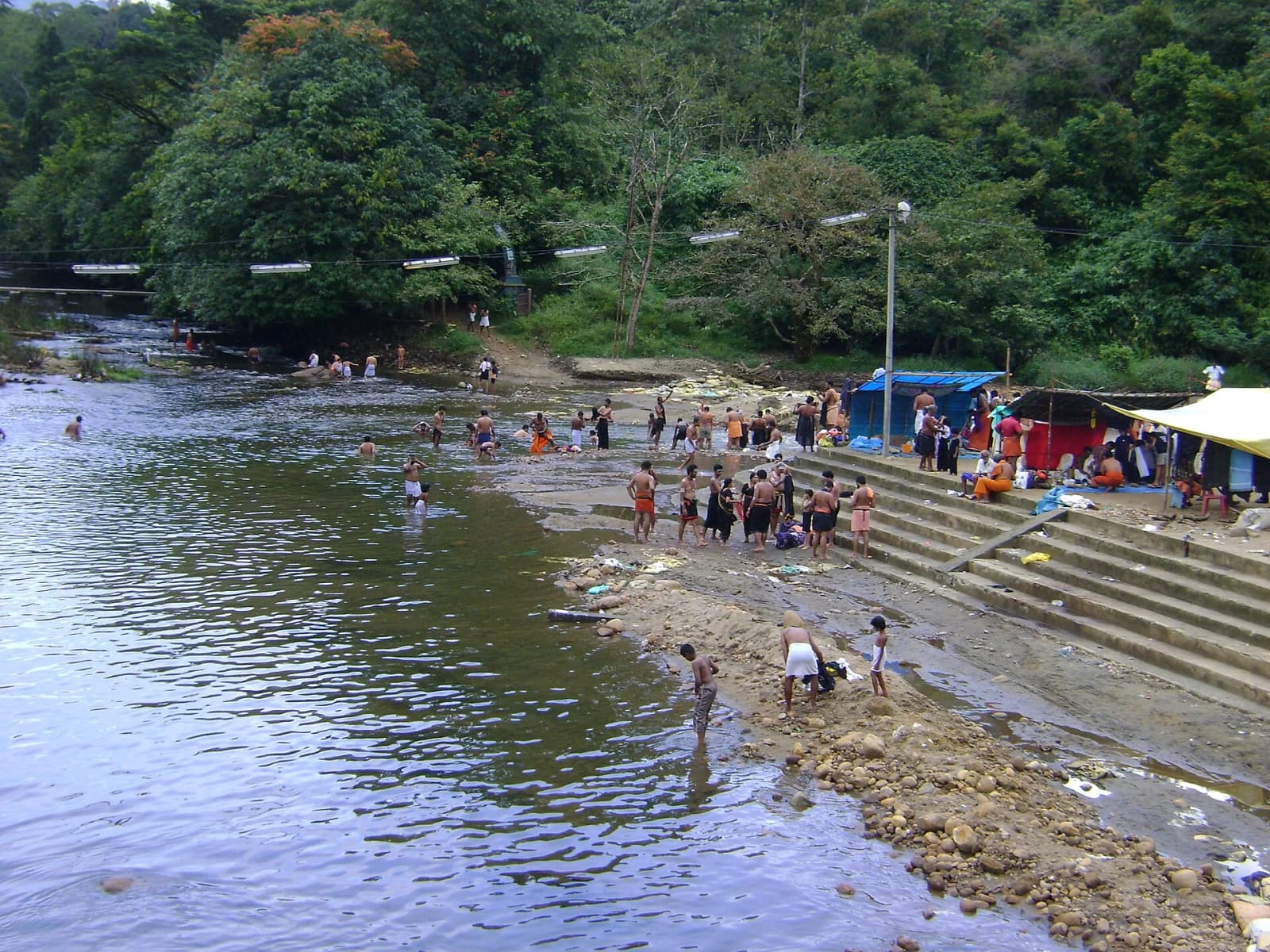
This is a MapMyTimes opinion piece. It responds to the order issued on 22 November 2026 by the Sabarimala Additional District Magistrate in Pathanamthitta, Kerala, banning pilgrims from throwing clothes and waste into the Pamba river and allowing spot fines of up to Rs 5,000 during the Mandala-Makaravilakku season.
Is a fine the right response?
Yes, a fine is a fair response, but only as the last step in a chain that should begin with a bin, a sign and a helper at the ghat. According to a PTI report carried by ThePrint, the order was made under Section 163 of the Bharatiya Nagarik Suraksha Sanhita, applies to the river, its tributaries and bathing ghats, and stays in force for two months. It notes that the Pamba is the main source of drinking water for lakhs of pilgrims and residents at Pamba, Nilakkal and Sannidhanam and for people downstream. A river that people drink from cannot also be a dumping ground.
The problem is not new. In May 2026 the Kerala High Court closed its own suo motu case on clothes dumped in the Pamba after being told that about 97% had been removed, according to LiveLaw. The court also directed the Travancore Devaswom Board and local bodies to make sure dumping was prohibited in the next season. On 8 November, Kerala Home Minister Ramesh Chennithala told pilgrims there is no religious or customary practice of leaving clothes and slippers in the river, as reported by PTI. So the authorities have tried clean-ups, court directions and appeals. A penalty is the logical next lever.
The strongest objection
The fairest criticism is that a Rs 5,000 spot fine is a heavy sum for many pilgrims, who often travel long distances on tight budgets, and that some genuinely believe leaving their clothes behind is part of the pilgrimage. Critics may also worry that wide powers to fine on the spot, at a crowded ghat, can be applied unevenly or lead to harassment. These are real concerns and deserve a real answer, not dismissal.
The answer lies in how the order is carried out. The words "up to" matter: officials should use discretion, warn first-time offenders and reserve the full amount for repeat or large-scale dumping. Every fine should come with a receipt. The order already asks the Devaswom Board, police, revenue officials and the public relations department to publicise the ban in several languages through announcements and boards. That outreach must reach pilgrims before they step into the water, at bus stands and base camps, not only at the riverbank.
What would make it work?
- Easy alternatives: clearly marked collection points for used clothes at every bathing ghat, emptied often, so that the right choice is also the easy one.
- Open accounts: the order says fines, once ratified by the panchayat, will go towards sanitation and river cleaning at Sabarimala and Pamba. The panchayat should publish how much is collected and how it is spent.
- Measured results: the joint inspection by pollution and sanitation agencies ordered by the High Court should be repeated after the season, with findings made public.
- Help from guides: group leaders who bring pilgrims from other states can carry the message home, where many travel plans are made.
Our view
The Pamba should not have to recover every year from the same damage. The ban is justified, and a fine gives it teeth. But its success should be judged by a cleaner river at the end of the season, not by how much money is collected. If Kerala pairs firm rules with collection bins, multilingual guidance and published results, this season could become the one where the habit finally fades.
Photo source · Adarshjchandran, CC BY-SA 4.0