This is a MapMyTimes opinion piece. It responds to the Supreme Court's order of 28 November 2026 in New Delhi, which cleared the way for the Hockey India election to be held on 5 December and set aside two Orissa High Court orders that had stalled the poll. The order ends one stand-off. It does not, on its own, fix the governance problems that produced it.
What did the Supreme Court actually decide?
The Supreme Court allowed the election to go ahead on schedule and wiped the slate clean on the immediate dispute. A Bench of Justices K.V. Viswanathan and Arun Palli set aside the High Court's interim stay of 6 November and its 18 November order refusing to lift that stay, according to reports of the hearing. It also recalled Hockey India's show-cause notices of 7 and 29 October, which had proposed downgrading the Hockey Association of Odisha from permanent to associate member. Any remaining grievances of the Odisha body are to go to a committee headed by former Supreme Court judge Justice A.K. Sikri.
The Bench was blunt about its reasons. "Let this election be held uninterrupted or our Olympic participation may be affected," it said, adding that it would not allow "the election and the country's interest to be sabotaged." Senior Advocate Mukul Rohatgi, appearing for Hockey India, had argued that missing the date could affect the federation's standing with the international body.
Why should a court have to step in at all?
A national federation should not need the country's highest court to hold a routine election, and that is the real lesson here. The dispute grew out of an open rift between Hockey India president Dilip Tirkey and secretary general Bhola Nath Singh over administrative decisions and how Executive Committee meetings are called. It surfaced publicly after the national team's jersey colour was changed from blue to saffron before the FIH World Cup in August, with Mr Tirkey saying he was not consulted and Mr Singh saying the president knew and had approved it, according to ThePrint.
The Orissa High Court's 18 November order found that the federation's bye-laws do not allow the secretary general to convene Executive Committee meetings without the president's orders. The Odisha association had also argued that the Executive Committee's term ended on 30 September. When the basic question of who may call a meeting ends up in court, the rulebook has failed the sport.
Is there a fair case on the other side?
Yes, and it deserves to be taken seriously. The Hockey Association of Odisha, through counsel K. Parmeshwar, raised concerns about the electoral roll, pointing out that in several state associations both husband and wife are members. A member body facing a downgrade just before an election had good reason to seek protection, and courts exist precisely so that a federation's majority cannot steamroll a dissenting unit. Speed should not become an excuse to skip scrutiny of who gets to vote.
The Supreme Court's order partly answers that worry. By recalling the notices and sending grievances to the Sikri committee, it has kept Odisha's complaints alive rather than dismissing them. Hockey India's lawyer also told the court the notices would be kept in abeyance for a couple of months.
What should happen before and after 5 December?
MapMyTimes believes three steps would turn a court-ordered poll into a credible one. First, Hockey India should publish the final electoral roll and the basis on which each voter qualifies, so concerns like Odisha's can be checked in public rather than argued in courtrooms. Second, the Sikri committee should be given a clear timetable so that its findings arrive while they can still shape decisions. Third, whoever wins should rewrite the bye-laws on who convenes meetings and how disputes between office-bearers are settled, so the next quarrel does not freeze the federation.
The Centre has signalled it wants peace too. Additional Solicitor General K.M. Nataraj told the court the government would not want the sport to suffer and was ready to arrange a meeting between the two factions if needed. That offer should be taken up after the vote, not shelved.
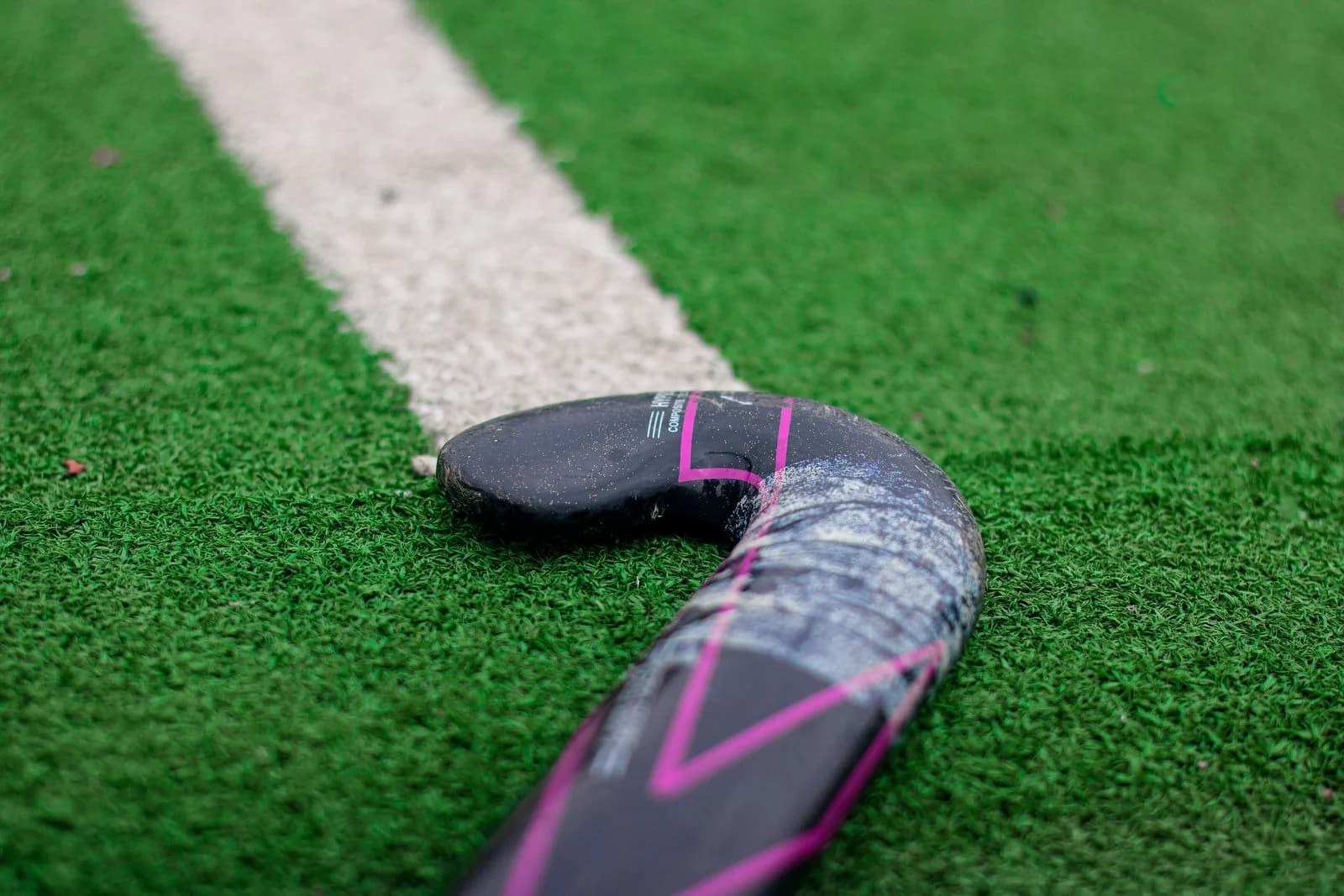
Players train for years for a few chances on the world stage. The Bench rightly said their prospects cannot be held hostage. The test now is whether Hockey India's administrators can run their own house well enough that the next election needs no judge at all.