This is a MapMyTimes opinion piece. Before dawn on 29 November 2026, four people died and two were injured when fire broke out in a narrow house in Gali Number 11, Vishwas Nagar, in Delhi's Shahdara district. The ground floor of the house was being used to charge e-rickshaws. Shahdara Deputy Commissioner of Police Rajendra Prasad Meena said the fire appeared to have started at an e-rickshaw charging point, and that the people hurt were those sleeping on the floor above. The exact cause is still under investigation. Even so, the pattern is familiar, and Delhi should treat it as a planning failure rather than a run of bad luck.
Is this a one-off?
It is not. In May 2025, two teenagers from Madhya Pradesh died in a fire at an e-rickshaw charging and parking shed in Ram Nagar, also in Shahdara. On 18 May 2025, shortly before that, six members of one family, two of them children, were hurt in Shahdara when an e-rickshaw caught fire while charging at what police called an illegal charging station. In August 2026, two people, one of them a 17-year-old, died in Raghubir Nagar in west Delhi after police suspected that an e-rickshaw battery developed a fault while charging. The details differ, but the setting keeps recurring: batteries charging overnight in or under homes, with people asleep nearby.
Why do raids alone not work?
Raids alone do not work because they leave the underlying shortage in place. After the Ram Nagar deaths, Delhi Police announced action against illegal charging stations and asked districts to map them, a senior officer warning that such stations posed "a threat to lives". The same PTI report gave the scale of the gap. Officials estimated about 1.2 lakh active registered e-rickshaws in the city, against roughly 4,000 legal charging connections. Discom sources estimated that over 60% of e-rickshaws were involved in power theft, costing about Rs 120 crore a year. Down To Earth reported in July 2025 that most illegal charging points are in informal settlements and usually have no licence or safety measures.
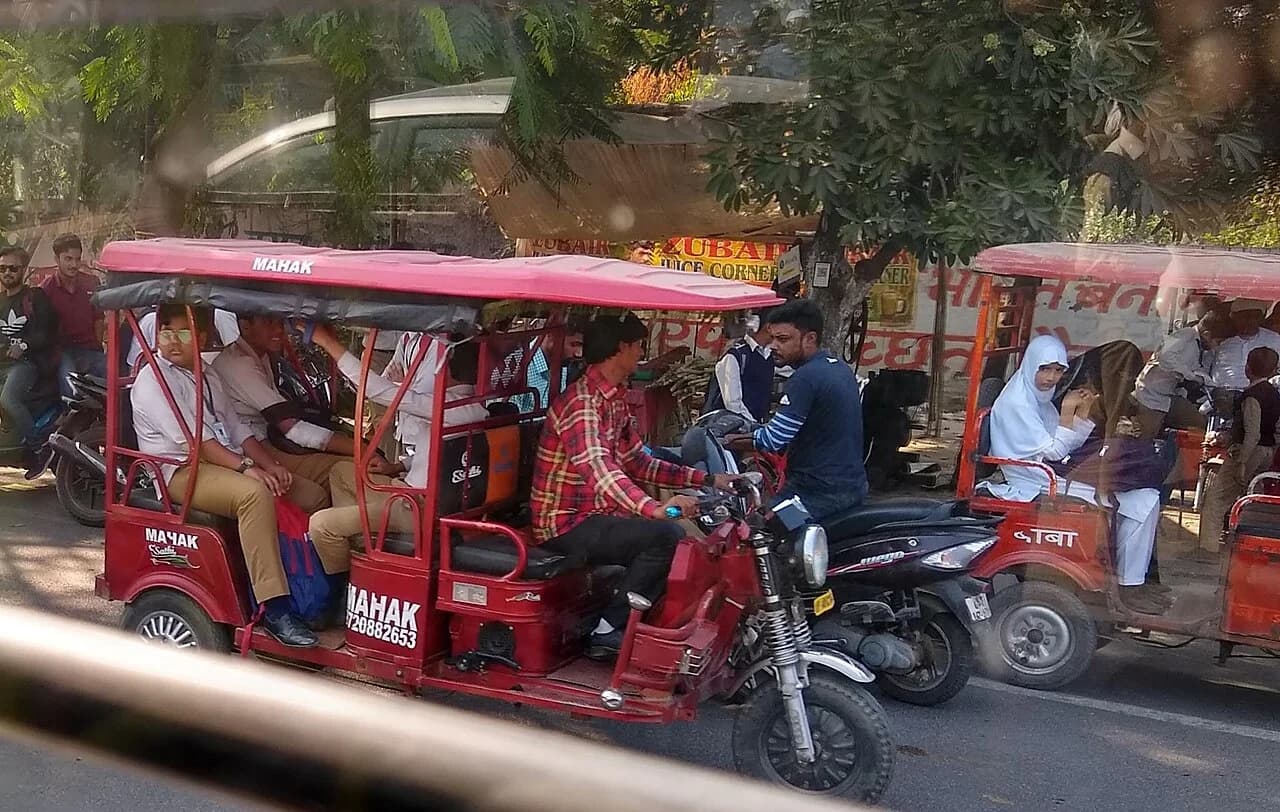
When a city has tens of thousands of electric vehicles that must be charged every night and few lawful places to do it, charging moves into ground floors, sheds and lanes. Shutting down one such point pushes the activity to the next. Eighteen months after the 2025 crackdown was announced, four more people are dead in a building of about 60 square yards, according to officials quoted by IANS.
What would a better approach look like?
A better approach would start by making safe charging easier to reach than unsafe charging. That means more legal, metered charging points sited in open or non-residential spaces close to where drivers live and work, at tariffs that compete with stolen power. Charging below rooms where people sleep should be treated as a distinct fire hazard, with clear rules that inspectors and residents both understand. Discoms, the transport department, the fire service and the police each hold part of the problem, so one agency needs to own the result and report publicly on progress.
What is the strongest case against tighter rules?
The strongest objection is that e-rickshaws are a livelihood for many low-income drivers, and that tougher enforcement mainly punishes them. If an inspector closes the only affordable place to charge, a driver loses a day's income, and the risk may simply move to another, less visible building. That concern is real, and it is exactly why enforcement cannot come first. Penalties make sense only once lawful charging is available nearby and costs no more than the informal option. Without that, rules on paper will not stop the next fire.
The Vishwas Nagar victims had not yet been publicly identified when police first briefed the media. Whoever they were, they died in their sleep above an activity the city has known for years to be dangerous. Delhi has encouraged e-rickshaws as cleaner transport. It now has to make charging them as safe as running them. Read MapMyTimes' report on the Vishwas Nagar e-rickshaw charging fire.
Photo source · LiebeErbeIndien, CC BY 4.0