This is a MapMyTimes opinion piece. It responds to the death on 25 November 2026 of Rakesh Jethiwal, a 30-year-old resident of Chandana village in Madhya Pradesh's Dewas district, who, his family says, fell ill after drinking liquor on 12 October and died at Aurobindo Hospital in Indore. Amar Ujala reported that his death took the toll in the Chandana and Binjana spurious liquor case to 14. MapMyTimes reported the latest developments on 26 November.
Two months on, families still lack basic answers
Our view is simple: the people of Dewas deserve a single, official, published account of how many people died, what they drank and who is responsible. Two months after the first death, which Amar Ujala dates to 27 September, that account does not exist in public.
The record so far shows why. The Dewas district administration first dismissed the claims as false and misleading, attributing deaths in Chandana to old age, common illnesses, brain haemorrhage and the effects of excessive drinking, according to a report on 25 October. Only after the issue escalated did the Ujjain divisional commissioner set up a five-member committee, with a deadline of 15 days. Death tolls have ranged from the administration's count of 10 deaths in Chandana to 22 claimed by the state Congress president. MapMyTimes has not been able to locate a published version of the committee's findings.
Police found a chemical supply chain, not just a bootlegger
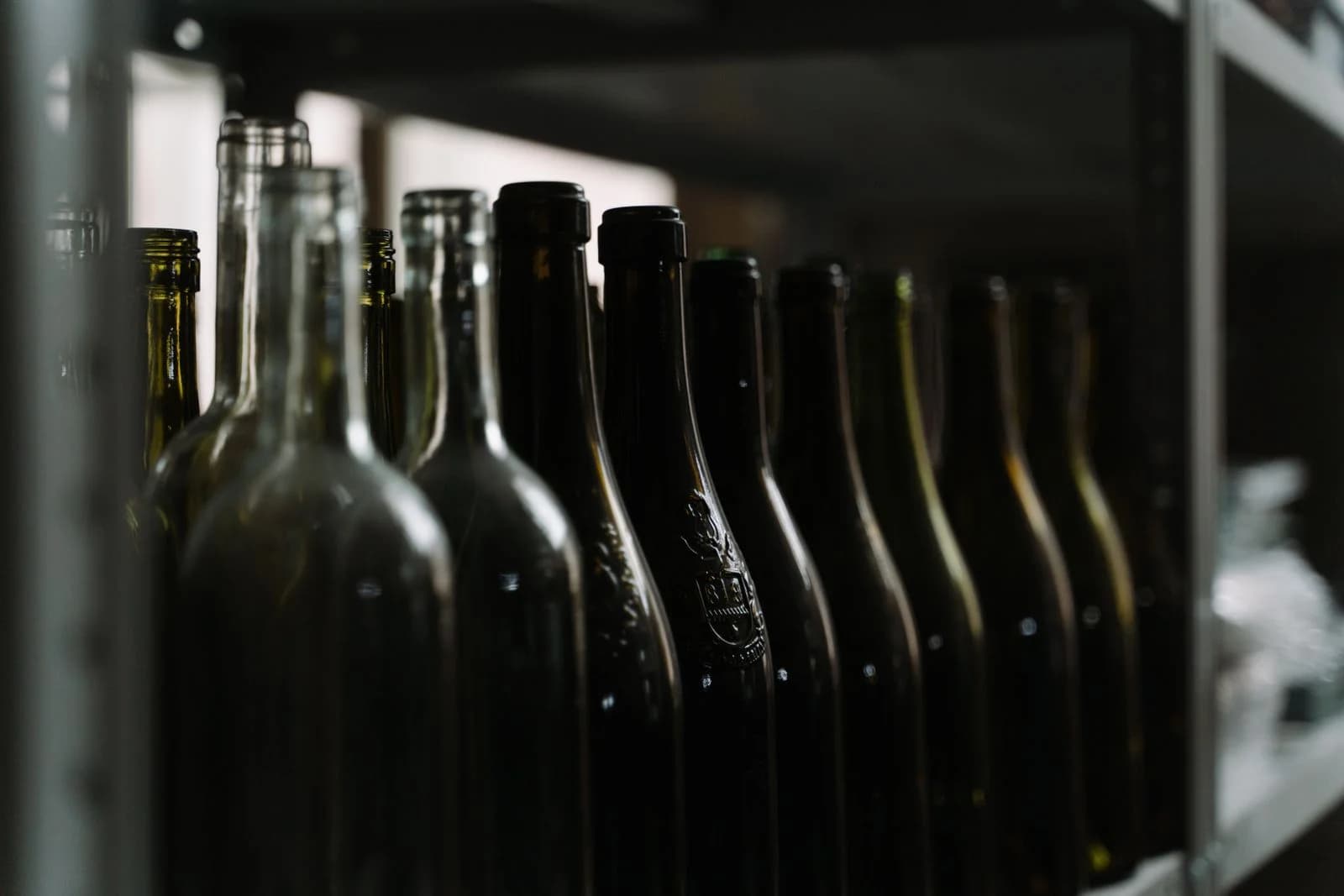
Police have since described a troubling operation. On 28 October, officials told the Press Trust of India that one accused had allegedly used artificial intelligence tools to look up home-brewing methods, ordered chemicals through a private firm in Indore, and mixed the product with genuine liquor in used bottles bought from scrap dealers. Two managers and two salesmen of licensed liquor shops were among those arrested, police said. The firm's warehouse was sealed. Viscera samples were sent for forensic testing, with police saying the cause of death would be confirmed after the report.
These are allegations that courts must test. But if they hold, the lesson is that the danger did not come only from a hidden still in a field. It moved through licensed shops and an ordinary chemical supplier in a major city.
This is not the first warning this year
Madhya Pradesh has already been here once in 2026. In early September, ten people were confirmed dead after drinking suspected spurious liquor in Sagar district, and the Sagar Collector said initial post-mortems pointed to possible methyl alcohol, All India Radio reported. The state suspended three excise officials then. In late October, it again transferred the Dewas collector and police superintendent and suspended three Dewas excise officials, Deccan Chronicle reported. Transfers and suspensions are a response, not a prevention plan.
The strongest case for the authorities
There is a fair argument on the other side. Officials cannot certify a poisoning without post-mortem and laboratory evidence, and announcing a cause too early can mislead families and the public. Rural deaths among people who drink regularly can have many causes. The state has also arrested several people, removed senior officers and ordered an inquiry within weeks. Illicit liquor networks are hard to police village by village, and a supplier who learns methods online is a new kind of problem.
We accept that caution about causes is legitimate. But caution should have meant investigating quickly and saying so openly, not denying first and investigating after protests. And caution does not explain why, two months later, there is still no published toll or forensic finding.
What should happen now
- Publish the facts. The state should release the committee's report and the forensic results, with an official list of deaths and people who were harmed.
- Support families promptly. Amar Ujala reported that Mr Jethiwal was his family's only earner and that relatives said no financial help had reached them. Any assistance should not wait for the trial.
- Follow the chemicals. Investigators have pointed to an Indore chemical supplier; tighter record-keeping on sales of chemicals that can be misused to adulterate liquor would address the supply side.
- Audit licensed outlets. If shop staff were part of the chain, as police allege, excise checks at licensed shops need to be more than a formality.
Fourteen deaths, by the latest count, is not a statistic to be managed. A clear public account is the least the state owes Chandana and Binjana, and the best protection for the next village.