This is a MapMyTimes opinion piece. It responds to the wave of train cancellations and flight warnings issued on Thursday, 19 November 2026, as Cyclone Akvan approached the north Andhra Pradesh and south Odisha coast, including East Coast Railway's cancellation of dozens of trains that MapMyTimes reported on Thursday.
Cancelling trains and grounding flights before a severe cyclonic storm is the right call. Odisha Chief Minister Mohan Charan Majhi has stressed a zero-casualty goal, and railways that stop trains before winds of 90–100 km/h, gusting to 110 km/h, as the India Meteorological Department forecast for Akvan's landfall near Gopalpur, are doing their job. The question this time is not whether services should have been stopped. It is whether the people who hold tickets could easily find out which ones.
What did passengers actually face?
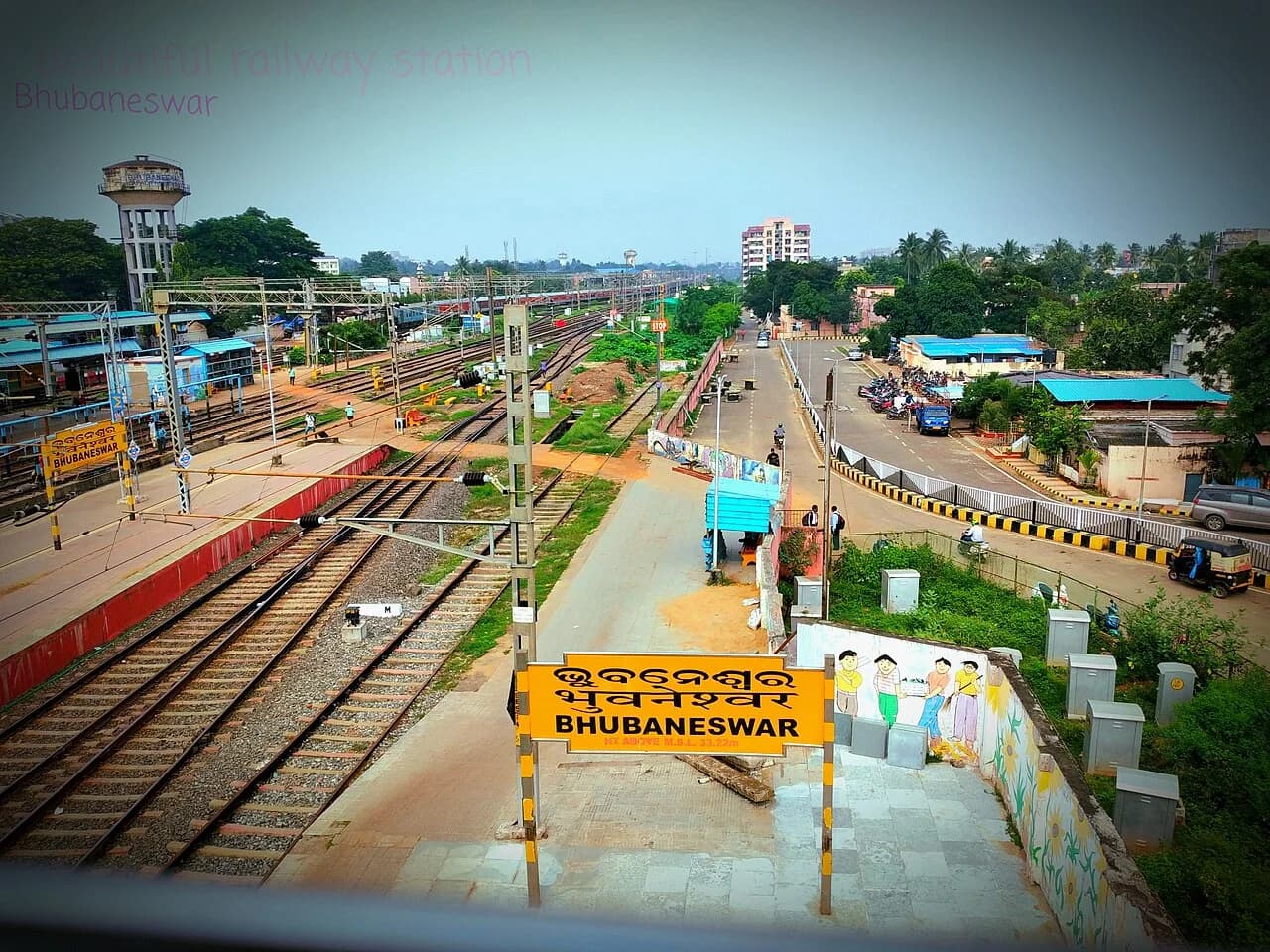
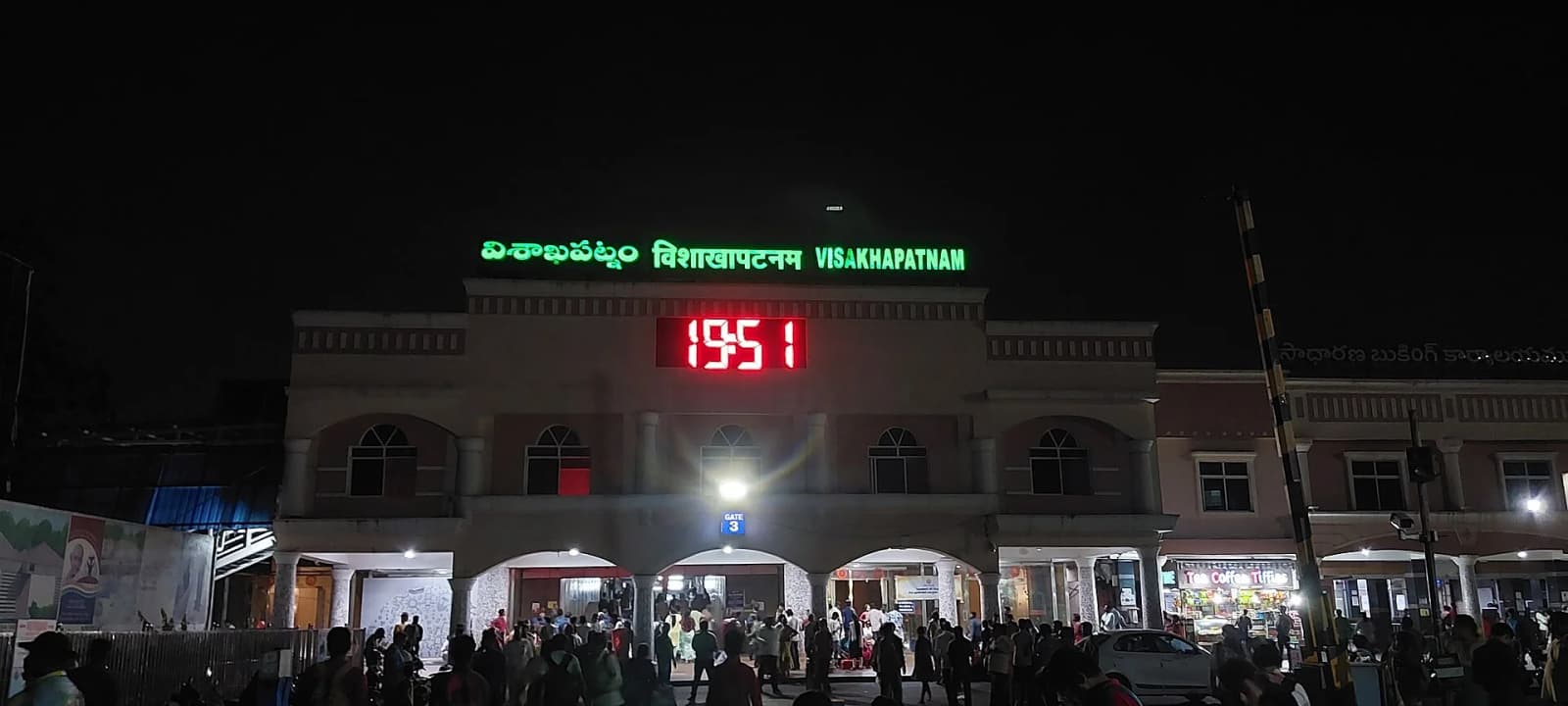
On Thursday, a traveller trying to work out whether their journey was on had to piece together announcements from at least four railway zones, an airline and an airport. East Coast Railway's cancellation tally was reported as 39 trains in some accounts and 41 in a Press Trust of India report on Thursday evening, which also said South Eastern Railway had cancelled at least 28 express trains, mostly to or through Puri. South Coast Railway, based in Visakhapatnam, said it had cancelled 22 trains, rescheduled 22 and diverted one, but the reports on its announcement named only a handful of them. South Central Railway separately pushed back two Hyderabad-area departures. The headline on that report put the total at "nearly 60", while its zone-wise figures added up to more.
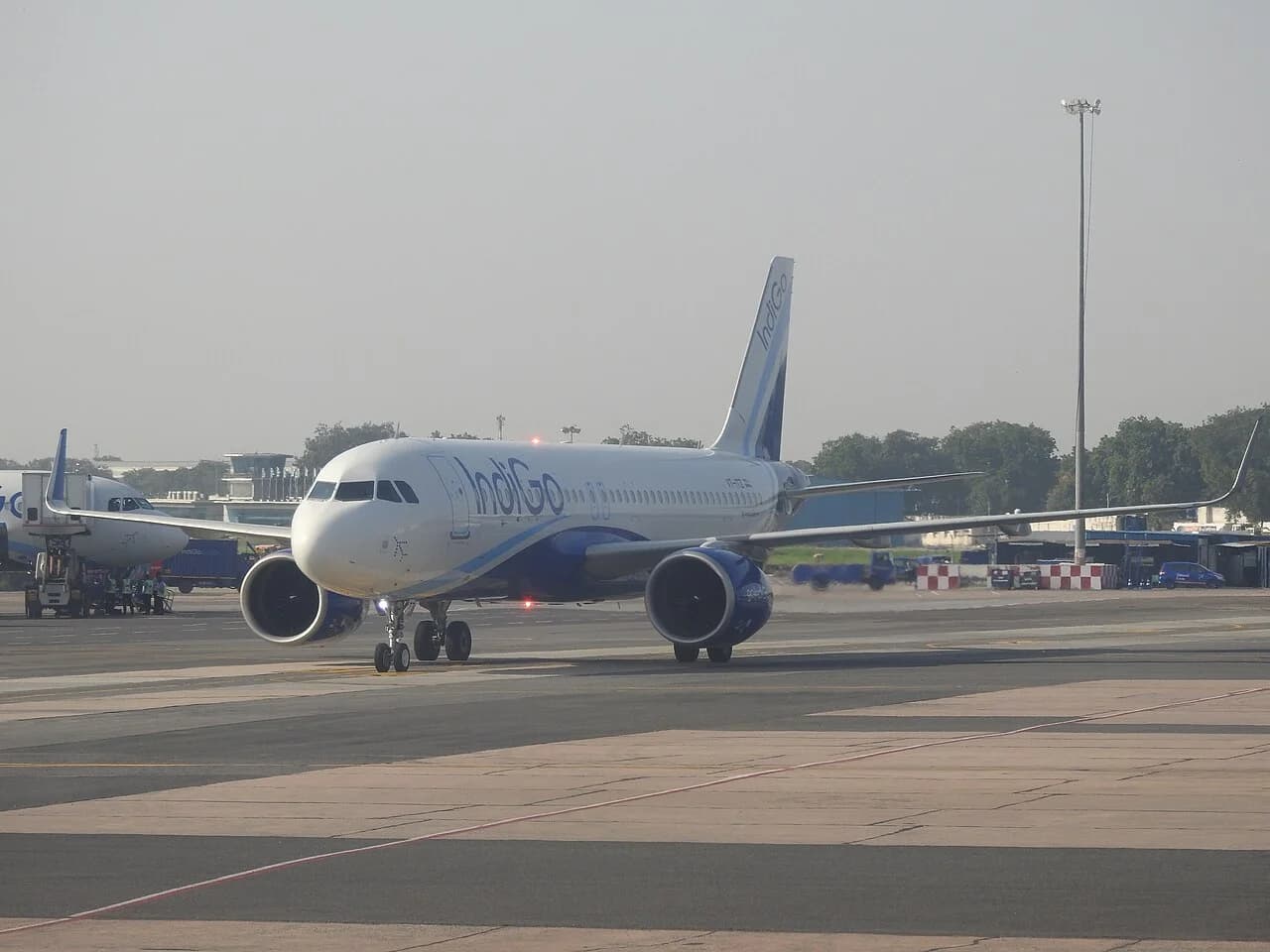
In the air, IndiGo said on X that flights to and from Bhubaneswar, Visakhapatnam and Kolkata were "affected", but did not say which flights or on which days. At about the same time, the director of Bhubaneswar's Biju Patnaik International Airport, Prasanna Pradhan, told OTV that no flights had been cancelled and operations were normal. Both statements may have been accurate at the moment they were made. For a passenger, though, they point in opposite directions.
Is this criticism fair?
The strongest argument against it deserves a fair hearing. Cyclones move, and their tracks and speeds change from one bulletin to the next. Railway zones must decide zone by zone because tracks, crews and rakes are managed that way, and a premature master list could be wrong within hours. Airlines cannot say which flights will be cancelled until they know the wind at the runway. Officials would also point out that South Coast Railway set up 24x7 war rooms, station help desks and extra refund counters, according to The Hans India, and that every operator told passengers to check status before leaving home. Changing numbers, in this view, are a sign of responsive management, not confusion.
That is a reasonable defence of the decisions. It is a weaker defence of the communication. Uncertainty about the storm is exactly why passengers need one reliable, time-stamped place to look, rather than half a dozen partial lists spread across zonal press notes, social media posts and news reports.
What should change?
First, the Railway Board could publish a single consolidated list for any cyclone or flood event that cuts across zones, updated at fixed times and showing train number, date, and whether a train is cancelled, short-terminated, rescheduled or diverted. The data already exist inside the railways; the National Train Enquiry System shows individual train status. What is missing is a single public summary of the whole disruption.
Second, airlines that warn of "affected" flights should say which flight numbers and dates are covered, and state plainly what options passengers have, even if those options change later. A vague warning shifts the burden of finding out onto the traveller.
Third, airport operators and airlines should coordinate their public messages during a weather event, so that one does not say "normal" while the other says "affected" on the same evening.
None of this requires new money or new law. It requires treating passenger information as part of disaster preparedness, alongside war rooms and patrolled bridges. The weather service's bulletins on Akvan named a landfall area and time well before the storm arrived. Transport operators can match that lead time with clearer, consolidated travel information. That would spare stranded families, pilgrims bound for Puri and workers heading home a long evening of guesswork.
Photo source · Pinakpani, CC BY 4.0