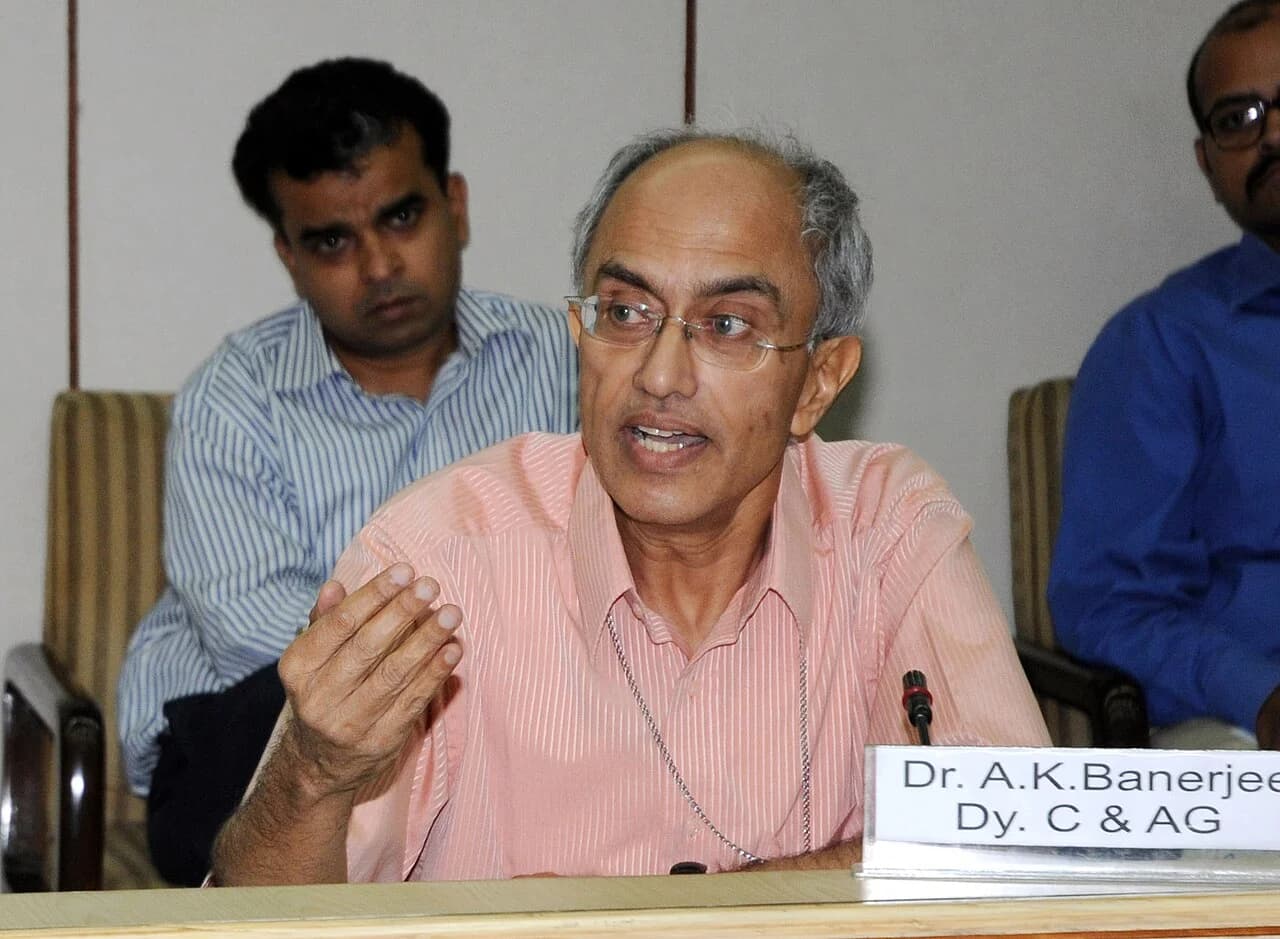
This is a MapMyTimes opinion piece, written by the MapMyTimes editorial team, on figures released by the Comptroller and Auditor General of India (CAG) on 28 November 2026. At a press conference in Chandigarh that day, Deputy CAG A M Bajaj said the national auditor approved 249 audit reports in 2025-26, up from 156 the year before, and that its audit interventions helped recover ₹4,251.34 crore, according to a PTI report carried by The Week. MapMyTimes reported the figures on 29 November.
What do the numbers show?
They show an auditor that is producing much more, and doing it differently. Of the 249 reports, 39 concerned the Union government and 210 the states. Reports actually tabled in Parliament and state legislatures rose 36.3% to 214, and they carried 3,742 recommendations, 38.3% more than a year earlier. Bajaj said at least 21 reports in recent years relied substantially on data analytics, geospatial tools or artificial intelligence, and 13 of them examined the entire database of the body being audited rather than a sample. More than 60 audits of central public sector undertakings were carried out remotely this year, he said.
This is welcome. An audit that reads every record is harder to sidestep than one that checks a handful of files, and an auditor that finishes more reports gives elected representatives more evidence on how public money is spent.
Where does the chain break?
It breaks after the report is tabled. CAG reports are laid before Parliament and the state legislatures, where Public Accounts Committees and Committees on Public Undertakings examine them, and ministries are expected to report back on what they have done about each finding through action taken notes. That last step is the weakest. In May 2026, the chairperson of Parliament's Public Accounts Committee, K C Venugopal, called the backlog in the Audit Para Monitoring System a "cause for serious concern", with more than 1,500 action taken notes pending with ministries and departments, PTI reported.
That figure predates the latest jump in output. If 214 tabled reports and 3,742 recommendations land on desks that are already behind, the queue could lengthen rather than shrink. The figures released in Chandigarh, as reported, did not say how many past recommendations governments have accepted or carried out.
The case for caution
There is a fair argument on the other side. A count of reports measures output, not quality, and a sharp rise could stretch legislative committees whose sitting time is limited. Departments can reasonably say they need time to check findings, particularly where data-driven methods flag cases that may turn out to have ordinary explanations; the CAG itself says flagged cases are followed up with field verification. Some will add that remote audits, however efficient, cannot fully replace a visit to the site. These points deserve a hearing. But they are an argument for doing follow-up carefully, not for doing less of it.
What should change?
Three practical steps would help. First, the CAG could publish, alongside its annual totals, how many earlier recommendations have been accepted, rejected or are still pending, broken down by ministry and state. Second, governments could set firm timelines for action taken notes and disclose delays, so that pendency becomes visible rather than buried. Third, the auditor's new data tools could be turned on follow-up itself, checking whether problems flagged in one audit recur in the next.
The CAG has shown it can audit faster and more thoroughly. The ₹4,251.34 crore recovered last year is a reminder that audits repay their cost when someone acts on them. Next year's statement should be judged not only by how many reports the auditor signs, but by how many of its findings have been fixed.
Photo source · Ministry of Finance of India / Press Information Bureau, GODL-India