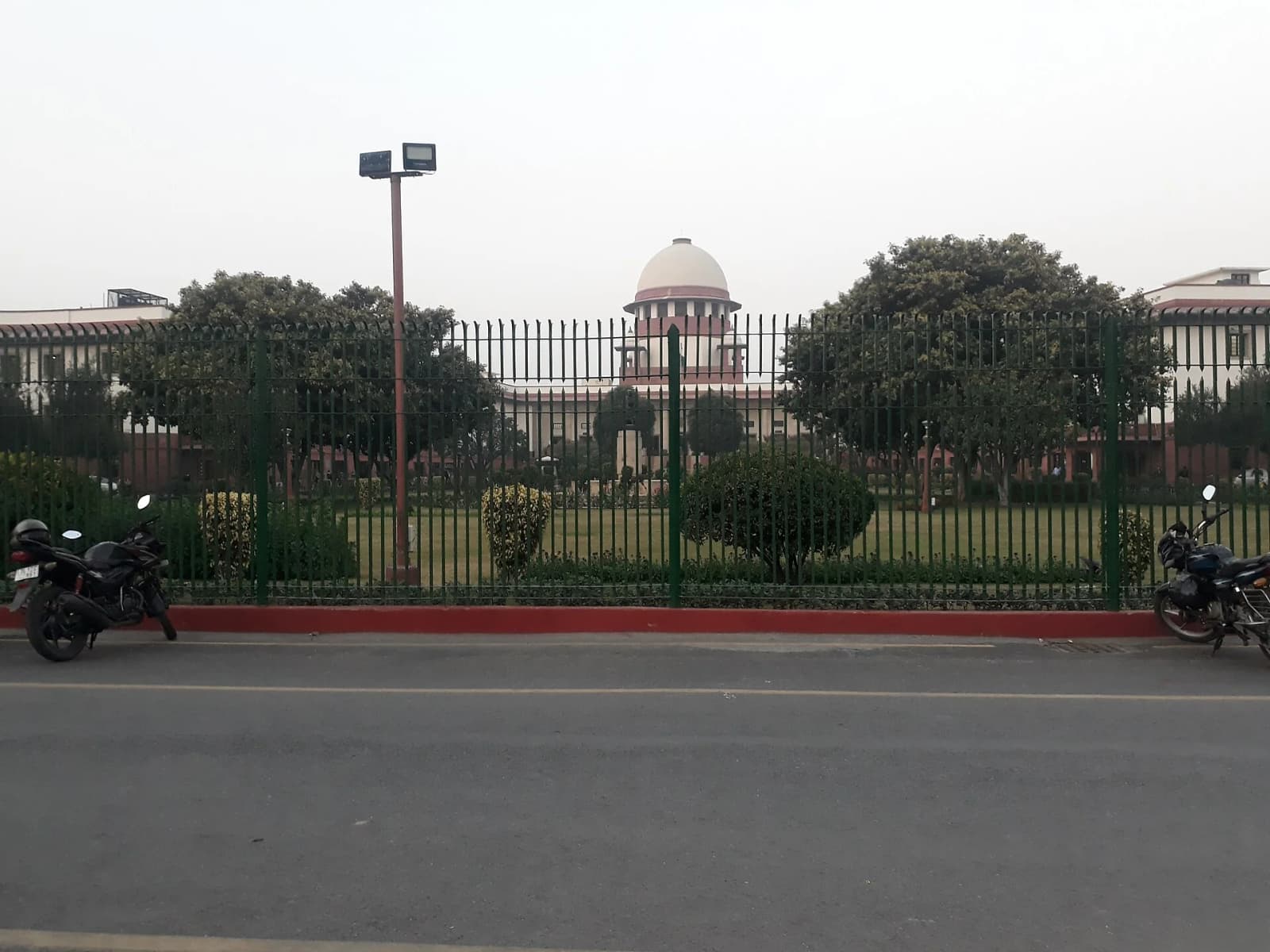
This is a MapMyTimes opinion piece. It responds to the Supreme Court judgment of 26 November 2026, delivered in New Delhi, that quashed the Bihar government's 2023 remission for former MP Anand Mohan and ordered him to surrender within a month. Anand Mohan is serving a life sentence in the 1994 killing of G. Krishnaiah, then District Magistrate of Gopalganj. MapMyTimes reported the ruling here. Our view is that the judgment matters well beyond one prisoner, because it shows how rules on early release should and should not be changed.
What did the court actually decide?
The court found that the way Bihar changed its prison rules in 2023 could not stand. A bench of Justice Dipankar Datta and Justice Sheel Nagu struck down a notification dated 10 April 2023, LiveLaw reported. That notification amended Rule 481(1)(a) of the Bihar Prison Manual, 2012. It removed a bar that had kept people serving life terms for murdering a public servant on duty from being considered for early release. The bench called the change "a sudden departure without any discernible purpose or demonstrating any bonafides" and said the State had not shown "a rational and legitimate public purpose". It held that the amendment violated Articles 14 and 21 of the Constitution. It also set aside the 24 April 2023 order that freed Anand Mohan.
The background is grim. ThePrint and The Tribune recount that G. Krishnaiah was dragged from his official car and killed by a mob in Muzaffarpur district in 1994. Anand Mohan, then an MLA, was alleged to have incited the crowd. A trial court sentenced him to death in 2007. The Patna High Court reduced this to life imprisonment in 2008, and the Supreme Court upheld that in 2012. He walked out of Saharsa jail in April 2023.
Why this ruling deserves support
Remission is a lawful and humane part of the justice system. But a rule that decides who may be freed early has to rest on reasons the public can see and test. The court found no such reasons here. When a general rule is rewritten without data or a stated purpose, and a well-known prisoner walks out within weeks, public trust suffers whatever the intention was. Insisting on a reasoned record protects governments as much as it protects the public.
The judgment also gives victims a proper voice. The court held that a victim's spouse and close relatives can challenge a remission and must be heard before a decision, though their objection is not a veto. That balance is sound. Families like the Krishnaiahs should not have to learn about a release from the news.
There is also a wider stake. Counsel for Uma Krishnaiah argued in court that the amendment would demoralise public servants. Officials posted in tense districts take decisions that can make them targets, and a clear legal signal that killing an officer on duty is treated seriously supports the people who keep public order.
What is the case on the other side?
There is a fair counter-argument, and it should be stated plainly. Remission exists to reward reform. ThePrint reported that the Bihar government told the court Anand Mohan had completed more than 14 years of actual sentence. The same report said he was one of more than 20 prisoners, all of whom had served over 14 years, named in the state's release notification. Setting rules on remission is an executive power, and courts are usually slow to replace the State's judgment with their own. Treating one category of crime as permanently harsher can also be questioned.
The court did not close that door. It left Bihar free to consider remission again under the pre-2023 policy, after Anand Mohan surrenders and the petitioner, Uma Krishnaiah, is heard. That is the right outcome. The ruling does not say he can never be released. It says any release has to follow a fair and transparent process.
What should happen now?
Bihar, and other states, can take practical lessons from this. Any change to remission rules should come with a published note explaining why it is needed and what data supports it. Sentence review boards should record whether pending cases, parole history and conduct in jail were considered. Victims' families should be notified and heard as a matter of routine, not only when they go to court. It is not yet clear how the judgment affects the other prisoners released under the same notification. The state should explain that publicly, rather than leave families on all sides guessing.
Photo source · Pinakpani, CC BY-SA 4.0