Updated November 10, 2026: This article now includes reports of the conference opening. November 11 activities remain scheduled programme details.
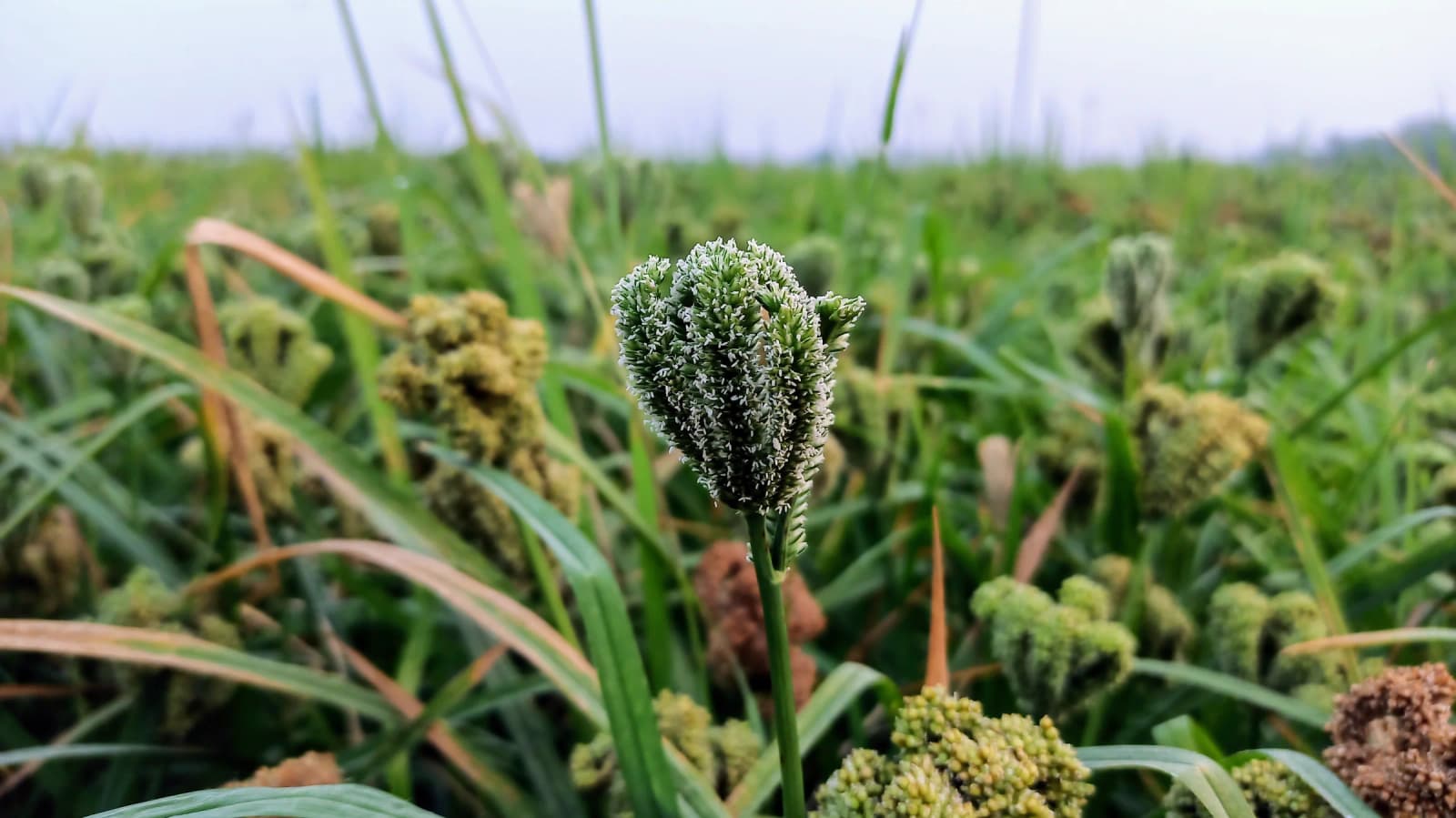
Archive/representative photograph: finger millet at Peddamunagalachedu village, Telangana, March 11, 2022; not the Odisha event. PS: Kavali Chandrakanth KCK / Wikimedia Commons, CC BY-SA 4.0. Full frame retained, no crop; resized and converted to WebP by the publishing system. The photograph remains licensed under CC BY-SA 4.0.
Odisha Governor Brajmohan Ram inaugurated the millet and traditional seed systems symposium in Bhubaneswar on November 10, according to Pragativadi and an IANS report carried by Ten News. The opening updates the earlier announcement for the fifth Mandia Divas, scheduled for November 10–11 at Mayfair Convention.
The reports said Ram called for community seed banks, records of indigenous varieties and seed exchanges. He also urged stronger processing and marketing arrangements for millet products, recognising tribal communities and women farmers as custodians of local seeds.
Two-day programme
The November 9 advance report by Prameya identified the Agriculture and Farmers’ Empowerment Department as organiser. Ommcom’s announced programme listed five technical sessions and an exhibition covering community seed banks, traditional foods and agricultural enterprises. The November 11 agenda includes millet enterprises and market connections. These remain programme details, not confirmation that every session or display has taken place.
From local seeds to household meals
Mandia is finger millet, also known as ragi. The state’s Shree Anna Abhiyan website lists it alongside sorghum, foxtail, barnyard, kodo, little, proso and pearl millet among the crops grown in Odisha. The programme describes millets as part of both diets and cropping systems in the state’s tribal areas.
The department’s 2025 symposium brochure sets out the wider policy behind that work. Its goals include bringing millet dishes back into household meals and preserving indigenous crop varieties. It also supports processing close to farming communities, with women’s self-help groups and farmer producer organisations helping turn grain into products with added value.
That earlier brochure identifies women farmers as keepers of local varieties and knowledge passed between generations. Community seed banks, festivals and farming traditions help sustain that inheritance. The same document describes improving millet productivity and including the grain in public distribution and other government schemes as programme objectives. This provides background to the current conference’s focus on seeds, food and rural livelihoods, rather than evidence of new decisions at the November 2026 meeting.