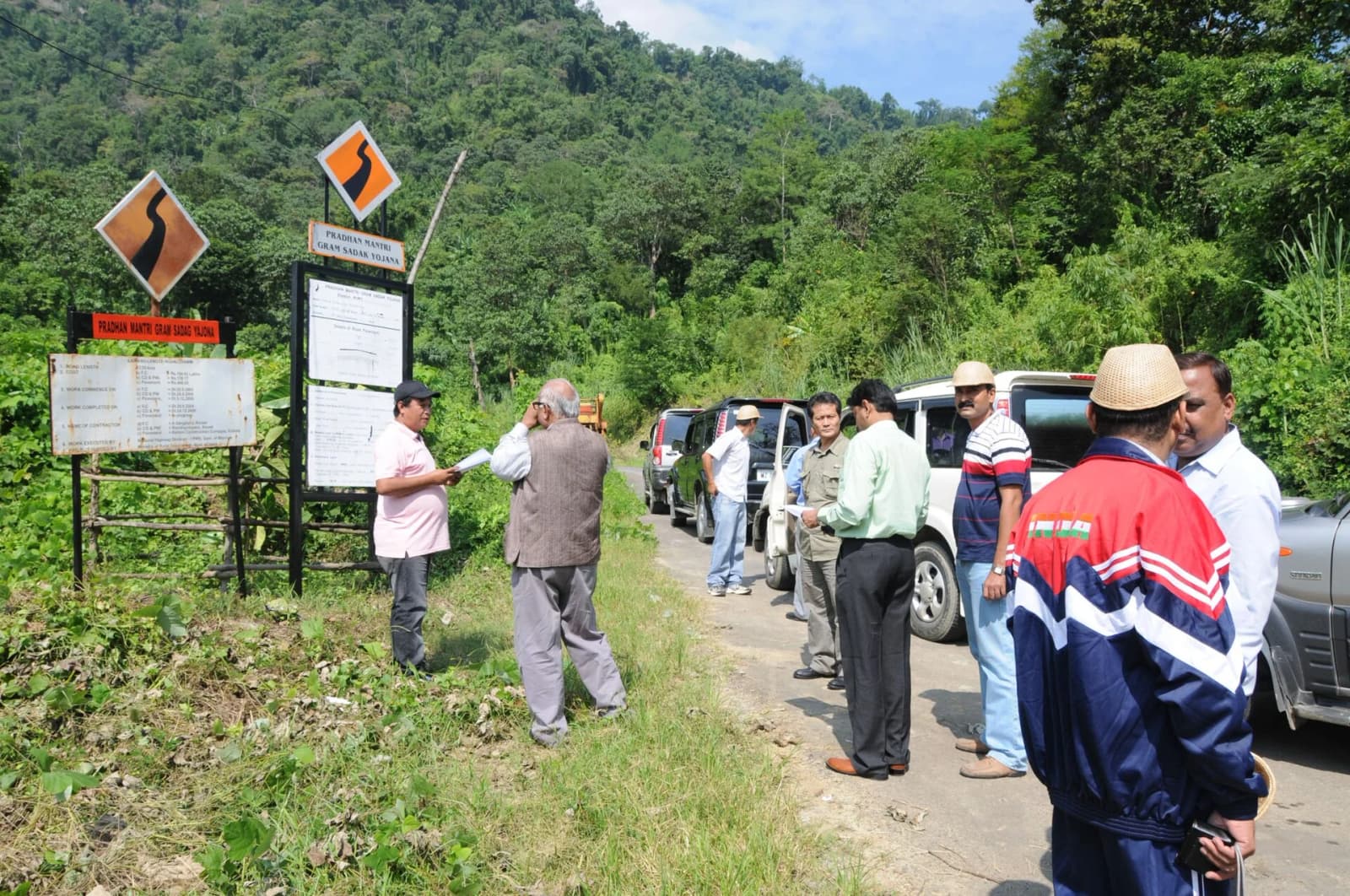
The National Rural Infrastructure Development Agency (NRIDA) has won the U.P. Medal for Innovative Technology in Roads for 2025. The agency was recognised for using steel slag, a waste product of steel making, to build rural roads under the Pradhan Mantri Gram Sadak Yojana (PMGSY). NRIDA works under the Union Ministry of Rural Development, which announced the award on 13 November 2026.
A Jharkhand project behind the award
The ministry said its entry was based on road works sanctioned in Jharkhand under the third phase of PMGSY, which used steel slag in their construction. According to the ministry, the material went into 381.57 km of roads under this project.
Using slag helped cut construction costs by 26 per cent, the ministry said. Because the roads were close to industrial steel plants, transport costs also came down. The ministry described the project as a way to make productive use of an industrial waste while using resources more efficiently and making rural infrastructure more sustainable.
Who gives the medal, and when
The medal is awarded by the Indian Roads Congress (IRC). It will be presented on 19 November 2026 at the ceremony held during the IRC's 85th annual session in Hyderabad, Telangana.
Wider push for green road technology
The ministry also gave figures for its wider use of alternative technologies under the rural roads programme. It said the Ministry of Rural Development and NRIDA have so far sanctioned 1,81,923 km of road works that use sustainable technologies. Of these, 1,39,901 km have been completed.
The ministry said the award reflects NRIDA's long-running effort to encourage the use of locally available materials, marginal materials and waste in road building. It also highlights the adoption of innovative and green technologies under PMGSY. According to the ministry, the initiative supports the government's aim of building rural roads across the country that are durable, sturdy and environmentally friendly.
Why it matters
PMGSY is the Centre's main programme for connecting villages by all-weather roads. Two results from the Jharkhand project stand out: a 26 per cent cut in construction costs and the use of a waste material that would otherwise have to be disposed of. Together they show how industrial by-products could stretch rural road budgets. The project made the most of its location near steel plants, which may make it easiest to repeat in states with similar industrial clusters.
The next milestone is the formal presentation of the medal at the IRC session in Hyderabad on 19 November.
PS · Ministry of Information and Broadcasting, GODL-India