NIT Calicut has brought academics and traditional knowledge practitioners together to discuss how Indian knowledge systems can be included in contemporary curricula. Samanvayam 2026 opened on November 9, with a second day of discussions scheduled for November 10, according to an institute notice published on November 10.
The Centre for Indian Knowledge Systems at NIT Calicut organised the national programme with Shiksha Sanskriti Utthan Nyas, New Delhi. Education news outlet EduAdvice also reported the November 9–10 dates, describing expert talks, discussions and collaborative activities aimed at connecting traditional knowledge with modern academic study.
Artisan recognised alongside academic sessions
The institute said traditional stitched-boat artisan Mohandas Kailasam was honoured during the programme. Other activities included the release of two publications, expert lectures and a TRIVENI integration workshop.
Atul Kothari, national secretary of Shiksha Sanskriti Utthan Nyas, attended the inaugural session as chief guest. Tejaswini Ananthkumar was the guest of honour, with NIT Calicut director Prasad Krishna also present.
The official account describes an academic exchange. It does not announce a new compulsory course, a change to admission requirements or a completed nationwide curriculum reform.
How the centre connects heritage and technical education
In its separate institutional profile, the Centre for Indian Knowledge Systems says it was established in line with the National Education Policy 2020. Its remit covers education, training and research in traditional knowledge, including science, mathematics, economics and astronomy.
The centre describes its mission as enabling students, faculty and staff to investigate these traditions while developing technologies, practices and products that support sustainable growth. Its website also links to a syllabus and a list of elective courses.
A project framework on that page describes students working with Sanskrit scholars to examine older texts, compare their ideas with contemporary scientific concepts and document the findings. Proposed outputs include case studies, subject glossaries and a consolidated report. These are stated project aims, rather than results announced at Samanvayam.
Dates and status
The November 10 institute update reports the opening and outlines continued sessions that day. It does not provide a closing report or a list of decisions adopted by participants.
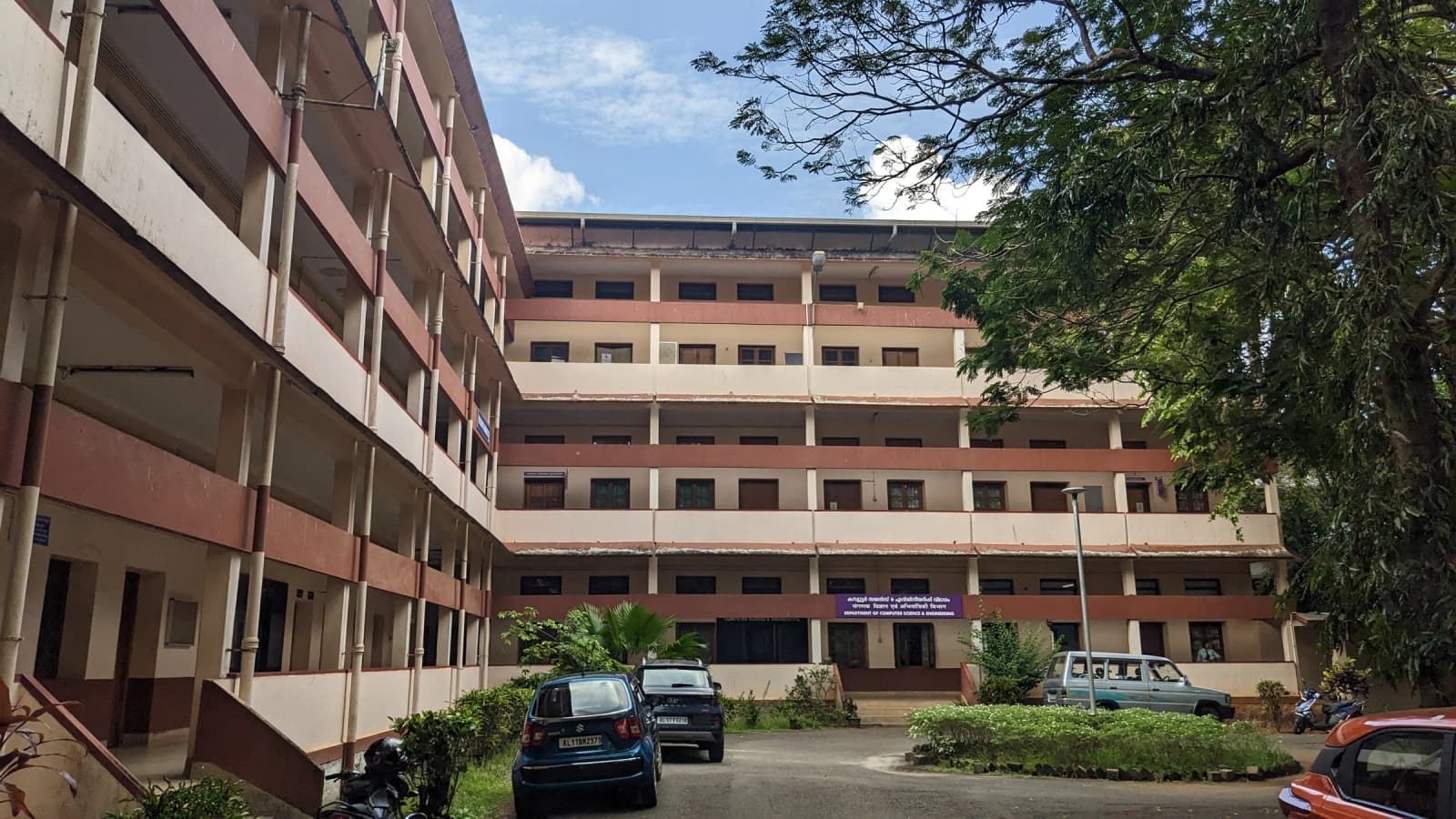
Archive campus photograph, December 1, 2023; not the Samanvayam event. Photo: Vysakh Premkumar / Wikimedia Commons, CC BY-SA 4.0. Unchanged original. PS