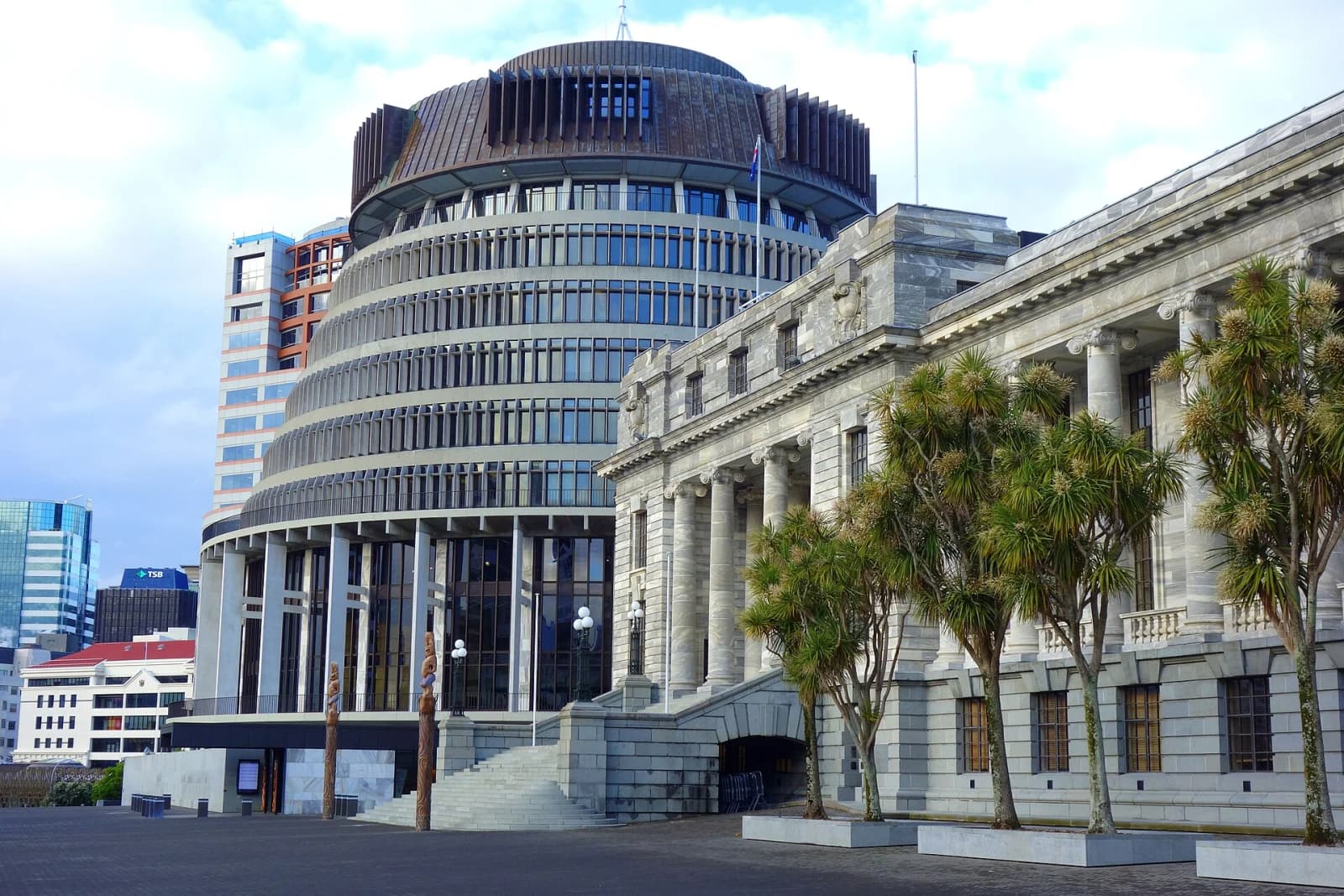
New Zealand's governing coalition ended one seat short of a parliamentary majority on November 27 after the Electoral Commission released final results incorporating roughly 485,000 special votes from the November 7 general election.
Final Special Vote Count Shifts Three Electorates
Prime Minister Christopher Luxon's National Party dropped two seats from its election-night projection to finish with 40 seats, losing Wairarapa to Labour by 81 votes and Hamilton East to Labour by 173 votes. Combined with ACT's 13 seats and New Zealand First's 12 seats, the outgoing three-party bloc holds 65 seats in the 130-seat House of Representatives—one shy of the 66-seat majority threshold.
Opposition Labour under Chris Hipkins remained at 36 seats after offsetting its gains by losing Wellington Bays to the Greens by 1,610 votes, lifting the Green Party to 17 seats alongside Te Pati Maori's five.
Opportunity Party Emerges as Kingmaker With Five Conditions
The centrist Opportunity Party led by Qiulae Wong holds seven seats and now commands the balance of power while parties weigh recount requests before the December 3 deadline.
Wong has ruled out supporting Winston Peters for foreign affairs minister and outlined five policy bottom lines for talks: breaking the supermarket duopoly, capping political donations, advancing a 10-year health plan, ending bottom trawling and strengthening climate targets.