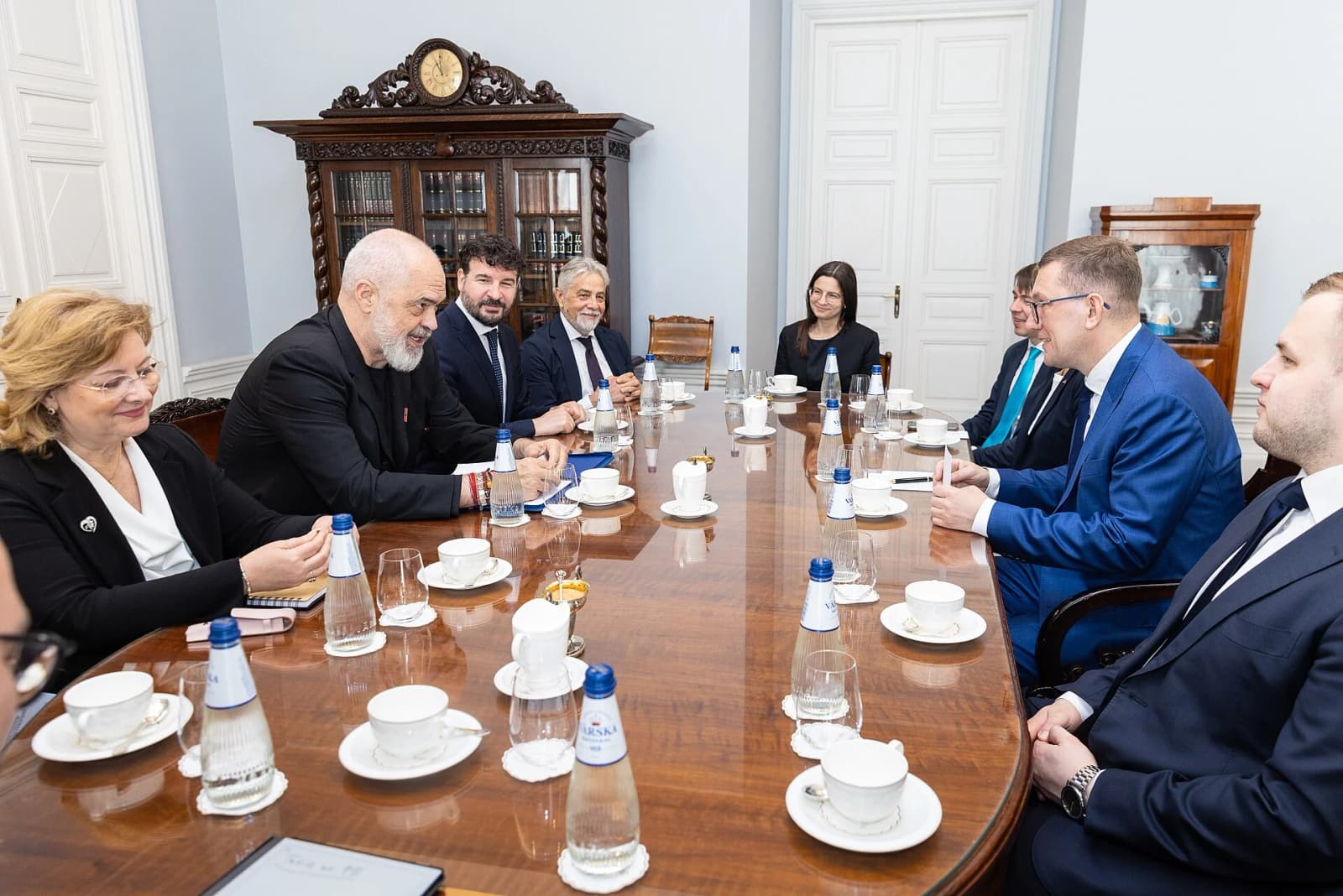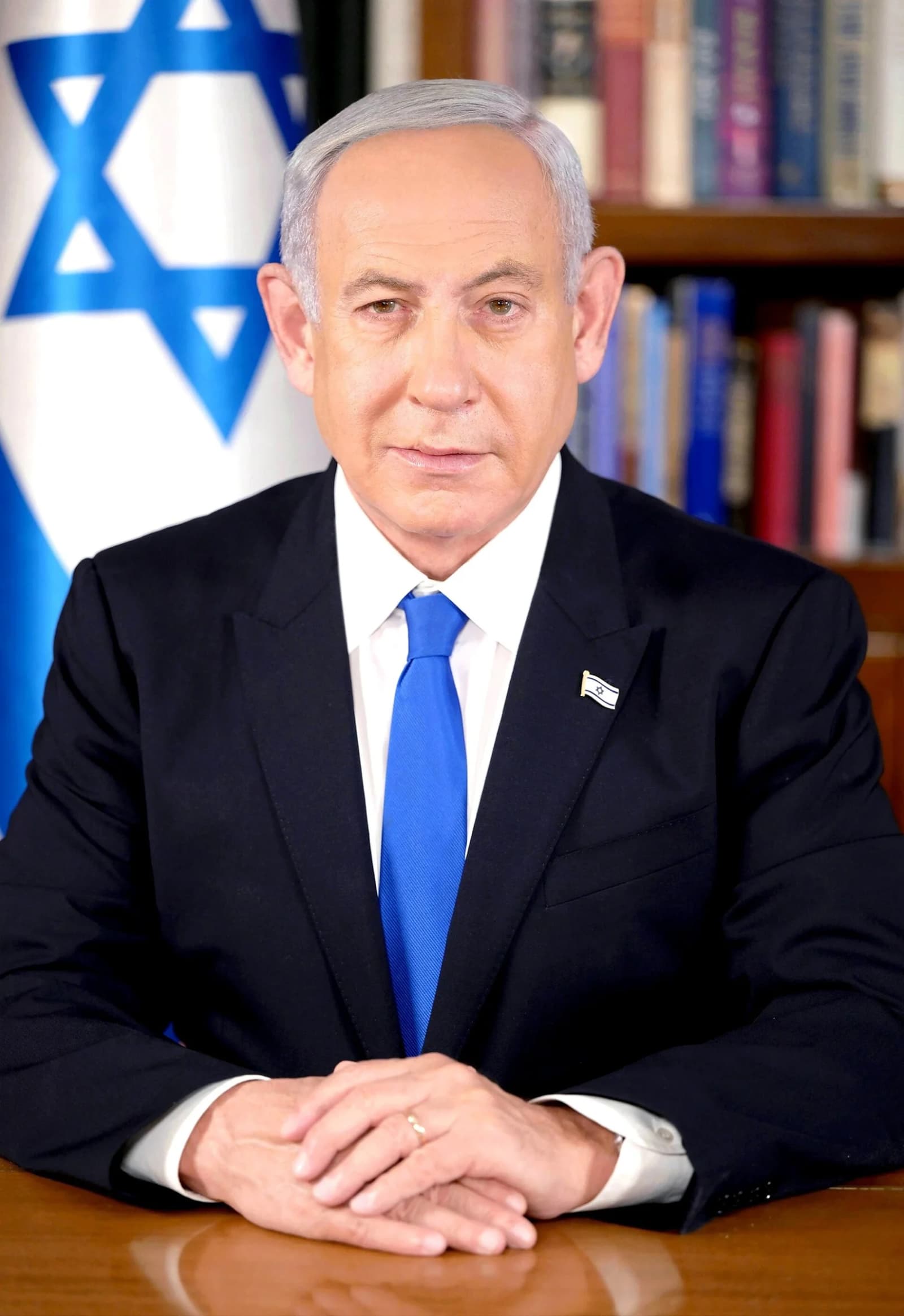
Israeli caretaker Prime Minister Benjamin Netanyahu and opposition leader Gadi Eisenkot opened coalition talks on Sunday, November 29, 2026 in a bid to break a month-long parliamentary deadlock ahead of a December 6 government-formation deadline. The talks follow Netanyahu's surprise proposal late Saturday for a national unity government under a rotating premiership in which former army chief Eisenkot would serve as prime minister first.
Why Both Blocs Fall Short in the 120-Seat Knesset
Inconclusive elections held on October 27 left neither major camp close to the 61-seat majority required in Israel's 120-seat parliament. Netanyahu's right-wing bloc won 53 seats, while Eisenkot's four-party opposition alliance stands at 48 seats; Eisenkot's centrist Yashar party has so far signed deals only with the left-leaning Democrats and right-wing Israel Beiteinu for a combined 36 lawmakers.
President Isaac Herzog handed Eisenkot a 28-day mandate to assemble a governing coalition. Although Eisenkot pledged on Friday to announce a new government by December 6 without using a 14-day extension, his negotiations have struggled with opposition inside his camp to partnering either with ultra-Orthodox factions or with Arab-majority parties, which won 19 seats combined amid high turnout.
Netanyahu's Rotation Offer and Rival Reactions
In a Saturday post on X, Netanyahu said the scale of national challenges required setting aside the principle of the largest party leading first, adding that he would serve as alternate prime minister during the opening phase. Likud confirmed that the two leaders scheduled their morning meeting at a hotel in the coastal city of Herzliya.
Eisenkot invited Likud to what he termed "genuine and accelerated negotiations" over a detailed proposal Yashar sent a week earlier, while warning he would gauge Likud's seriousness within 24 hours after accusing it of stalling toward fresh polls. Other opposition figures reacted skeptically: Beyachad co-chair Yair Lapid dismissed the offer as a "transparent con," and Joint List leader Youssef Jabareen urged parties to form an anti-Netanyahu coalition this week. Meanwhile, Raam leader Mansour Abbas told Channel 12 he was open to joining an Eisenkot-led government from the outset or later after backing a parliamentary inquiry bill describing Hamas as a "terror group."