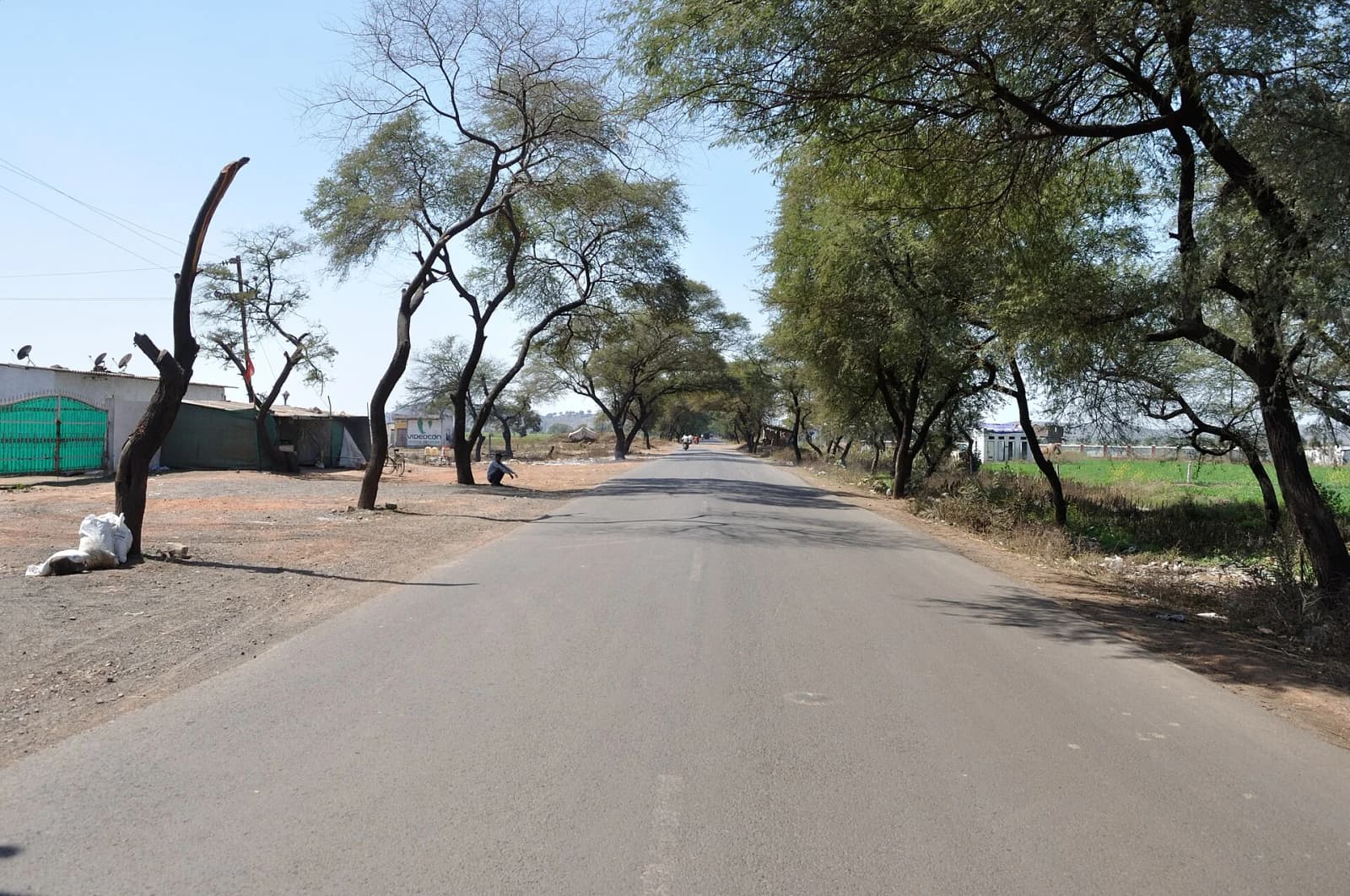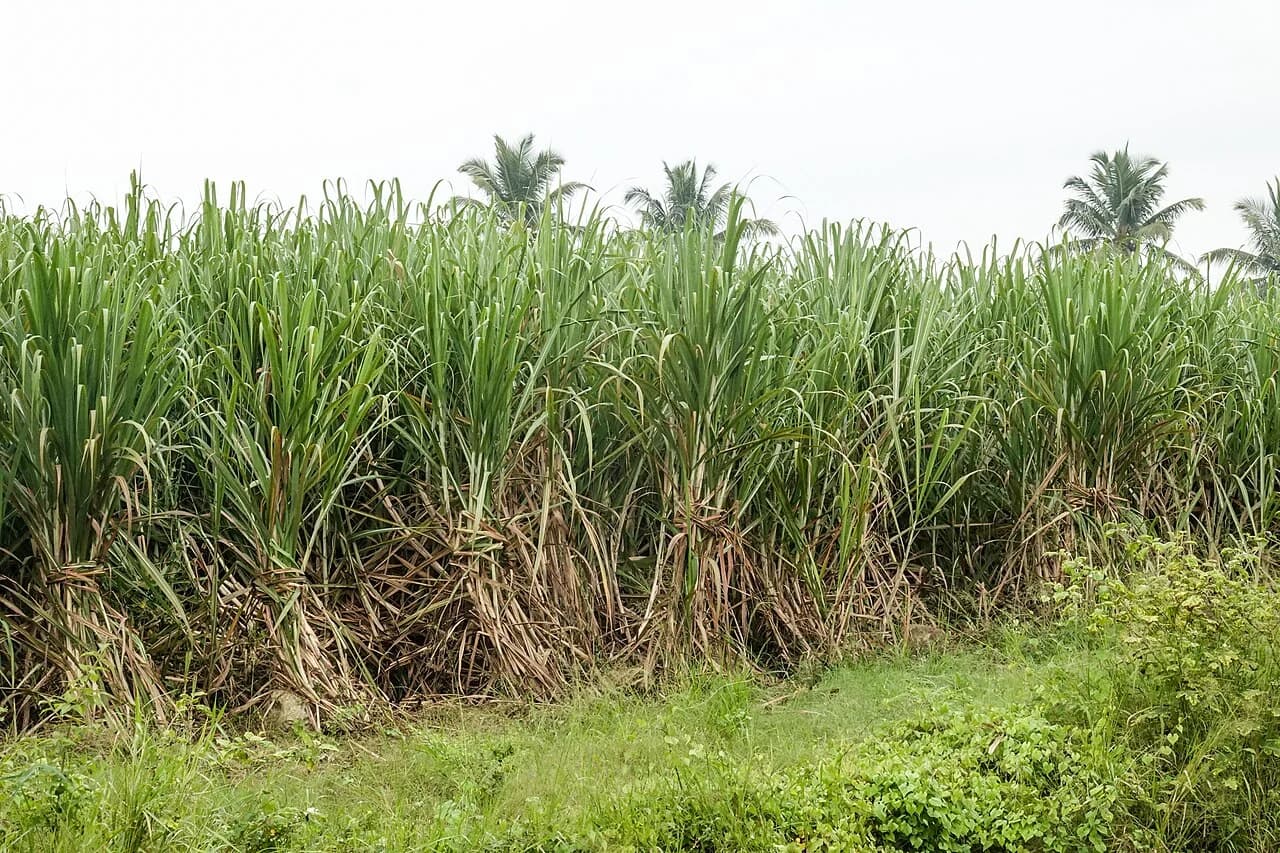
Hundreds of sugarcane growers blocked National Highway 44 (NH-44) on the Narsinghpur–Sagar route in Madhya Pradesh's Narsinghpur district on 26 November 2026, demanding that sugar mills pay Rs 600 per quintal for their crop. Police from five police stations were called in, and after a prolonged standoff officers used mild force to clear the highway and removed more than 50 farmer leaders from the site in buses and police vehicles, according to a report by Amar Ujala's Narsinghpur desk.
Members of eight farmer organisations took part in the agitation. The blockade left long queues of vehicles on both sides of the highway and held up traffic for hours.
Why are Narsinghpur's cane farmers protesting?
The farmers say the price mills are offering does not cover their costs. Mills in Narsinghpur are paying about Rs 450 per quintal, while the protesters want Rs 600. They argue that spending on labour, fertiliser, electricity and irrigation has risen sharply, and that with sugar selling at roughly Rs 60 per kilogram in the market, growers deserve a larger share.
NationPress reported that private mills in the state have announced rates of Rs 440 to Rs 455 per quintal for the season, with Betul at Rs 440 and Narsinghpur at Rs 450, compared with the Centre's Fair and Remunerative Price (FRP) of Rs 365 per quintal for 2026-27. That leaves a gap of about Rs 145 to Rs 150 per quintal between what mills pay and what farmers are seeking.
Narsinghpur is the state's main cane-growing district. NationPress put its share of Madhya Pradesh's sugarcane output at about 58 per cent, while farmers quoted by the Free Press Journal claimed nearly 70 per cent. Farmers quoted by that newspaper also said they want the Rs 600 rate to be made up of Rs 500 from mills and a Rs 100 bonus from the state government, along with a government-owned sugar mill in Narsinghpur and a separate sugarcane policy for Madhya Pradesh.
What happened at the protest site?
Administrative officials reached the blockade and spent a long time urging the farmers to clear the road, but the protesters refused, saying no agreement had been reached on their demand. After arguments and pushing between police and farmer leaders, police cleared the highway.
Some groups of farmers tried to march towards the railway line but were stopped on the way. Another group heading to the sugar mill at Kareli, intending to shut it down, was halted at Tatta bridge and taken by bus to a police station, Amar Ujala reported.
How has the government responded?
No named official has commented publicly on the blockade. NationPress, citing unnamed state officials, said the government maintains that mill rates in Madhya Pradesh are among the highest paid by private mills in the country, and that the administration is working to protect cane growers while keeping the sugar industry stable.
How did the agitation build up?
The highway protest follows weeks of mobilisation. Farmers had protested at the Narsinghpur Collectorate on 4 November over prices, bonuses and crop damage compensation. Talks mediated by the district administration between farmer representatives and mill managements later ended without agreement, with mills holding to about Rs 450 per quintal. On 23 November, Narsinghpur farmers took their demand to Bhopal in a march led by Pratik Sharma, convener of the Rashtravadi Kisan Army.
What happens next?
A meeting between leaders of the eight farmer organisations and the state Agriculture Secretary was proposed for Friday, 27 November 2026, in Bhopal, with farmer representatives expected to join by video conference. Official confirmation of the meeting had not been announced in the reports reviewed, and its outcome was not known at the time of writing. Farmer leaders have said the agitation will continue until the government takes a firm decision on the Rs 600 demand, and NationPress reported that further blockades on NH-44 could not be ruled out.
Photo source · Timothy A. Gonsalves, CC BY-SA 4.0