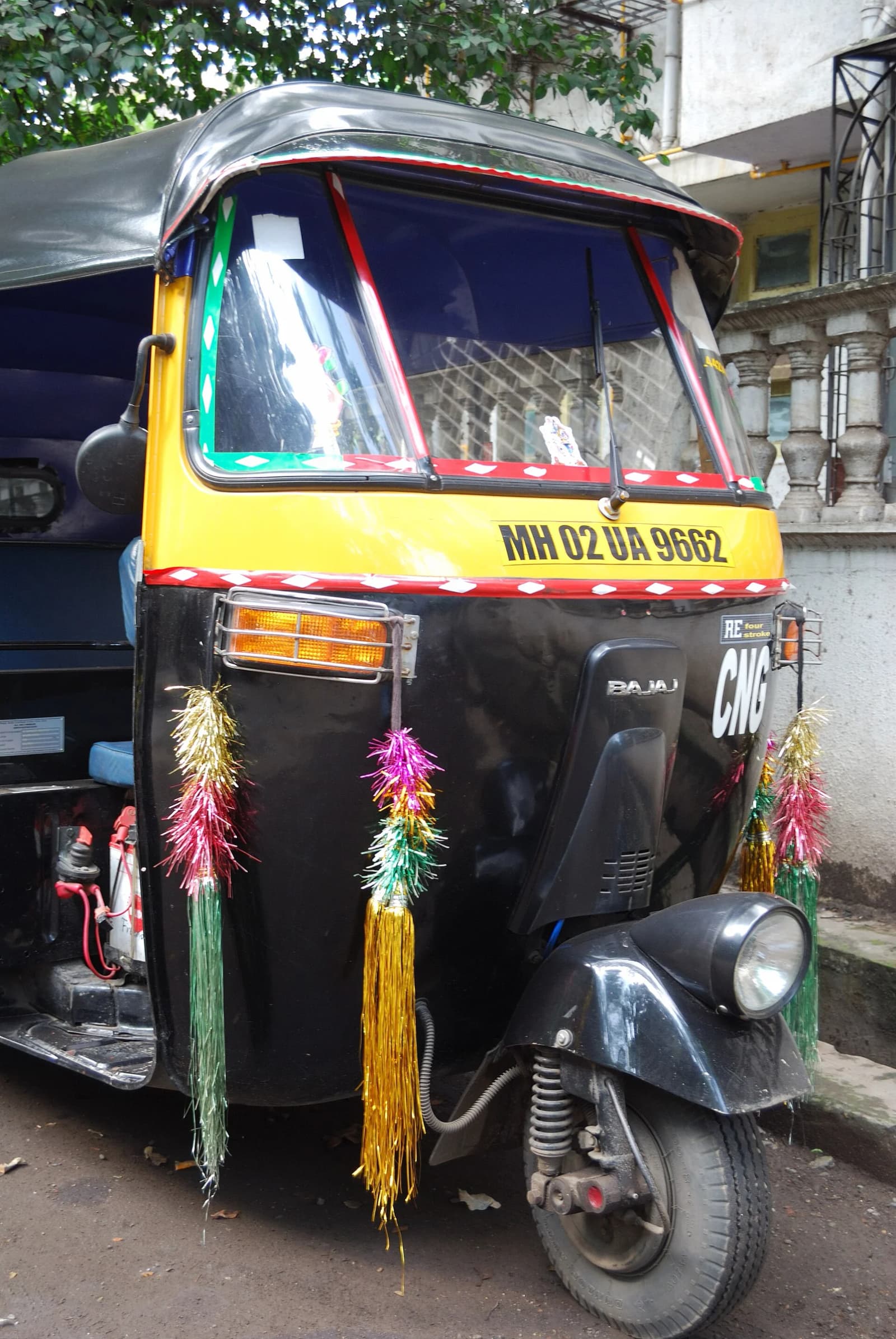
Commuters and drivers across Mumbai will pay more for compressed natural gas from Sunday morning. Mahanagar Gas Limited (MGL), the city gas distributor for Mumbai and its adjoining areas, announced on Saturday, 14 November 2026, that it is raising the retail price of CNG by ₹1.50 per kg, taking it from ₹90 to ₹91.50 per kg. The new rate takes effect from midnight, which means it applies from 15 November.
The revision is the second in roughly a fortnight and the latest in a string of increases this year. It matters widely because CNG powers most of the region's auto-rickshaws and taxis and a large number of private cars, so any change feeds straight into the daily cost of getting around India's financial capital.
What MGL has said
According to reports in the Free Press Journal and Bombay Samachar, the company linked the increase to higher gas procurement costs amid the continuing crisis in the Middle East. It also pointed to a smaller allocation of domestically produced natural gas, which has forced it to rely more on imported regasified liquefied natural gas (RLNG). The price of that imported gas tracks international benchmarks, so it rises when global markets tighten.
MGL described the hike as only a partial offset of its higher input costs, and said the move was intended to keep CNG supply to consumers uninterrupted and sustainable. The reports did not carry any on-record quote from a named company official, and no comment from a government department or regulator has been reported so far.
How the price got here: a timeline
Mumbai's CNG price has climbed in small steps for more than seven months. Based on Free Press Journal's reporting from 1 October and 14 November, the revisions since April look like this:
- 12 April: up ₹1 per kg
- 14 May: up ₹2 per kg
- 30 May: up ₹2 per kg, to ₹86
- 1 September: up ₹2 per kg
- 1 October: up ₹1 per kg, to ₹89
- 1 November: up ₹1 per kg, to ₹90
- 15 November: up ₹1.50 per kg, to ₹91.50
Free Press Journal counts this as the seventh increase since April, with a cumulative rise of ₹10.50 per kg in a little over seven months. The four revisions since 1 September alone add up to ₹5.50 per kg. MGL's stated reasons have been consistent through the year: West Asia tensions, rising global energy costs and the growing share of costlier imported gas in its supply.
The wider energy picture
The Mumbai hike sits inside a broader squeeze on fuel prices that India has faced since the war in West Asia disrupted energy flows earlier this year. On 1 November, oil marketing companies raised the price of the 19-kg commercial LPG cylinder across metros, NewsX reported. In Mumbai, it rose by ₹10.50 to ₹2,775, while in Delhi it went up by ₹10 to ₹2,820. The price of the domestic 14.2-kg cylinder was left unchanged. That report tied the commercial increase to Saudi Aramco raising its November propane price by 5.9 per cent to $720 per tonne and butane by 6.8 per cent to $780 per tonne.
A day before MGL's announcement, Prime Minister Narendra Modi addressed the energy question in Bengaluru, where he inaugurated projects worth over ₹15,600 crore on Friday, 13 November, including renewable energy and petroleum infrastructure. According to Millennium Post, he said the war around Iran and the Gulf countries "shows how important energy security is", and that steps taken over the past decade helped the country face the crisis with resilience. The Hans India reported that he said India's renewable capacity had crossed 300 gigawatts, and that a compressed biogas plant in the city, designed to produce about 13 tonnes of biogas a day, would help cut spending on imported natural gas. He also cited a Mangaluru LPG project adding 80,000 tonnes of storage.
Those remarks describe a country that has avoided shortages. The Mumbai price trend, though, shows that the cost of imported gas is still reaching consumers, one revision at a time.
Who feels it most
Auto-rickshaw and taxi drivers are the first to absorb each increase, because fuel is their biggest running cost and their fares are fixed by the state. Thampi Kurien, president of an auto-rickshaw union, told the Free Press Journal that the latest hike adds about 21 paise per kilometre. For a driver covering 100 km a day, that works out to roughly ₹21 more in daily expenses. He said that inflation, measured by changes in the Consumer Price Index between March and September, has added a further 43 paise per km, and he put the total extra burden at about 71 paise per km.
Even so, drivers cannot expect an immediate fare change. Under the fare formula Kurien described, a revision needs a minimum increase of 50 paise per km and a gap of at least six months from the last one. The union plans to submit a fare proposal in March or April and will seek revised fares from 1 June.
App-based cab drivers say they are also struggling. Mohd. Rizwan Shaikh, unit president of the App-Based Transport Unit of the Maharashtra Rajya Rashtriya Kamgar Sangh, told the newspaper that pricing should not be left entirely to aggregators. He called for a clear minimum fare policy and urged the state government to speed up its proposed aggregator guidelines.
Private car owners are weighing their options too. Kandivali resident Kavita Singh told the Free Press Journal that rising petrol, diesel and CNG prices could push her towards an electric vehicle for her next car.
What it means for readers
- If you drive a CNG car in the MMR: every kg now costs ₹1.50 more than on Saturday, and ₹10.50 more than before the April increase.
- If you take autos or taxis: fares are not changing right away, but unions are building a case for a revision next year, and drivers' margins are getting thinner in the meantime.
- If you live elsewhere in India: CNG prices are set separately by each city gas distributor. MGL's reasons, though, apply nationwide: dearer imported LNG and a smaller share of domestic gas. Readers in other cities should watch their own distributor's notices.
What is established and what is not
Established: the new ₹91.50 rate, the ₹1.50 increase, the midnight effective time, the 1 November hike to ₹90, and MGL's stated reasons are all consistent across the reports we reviewed.
Less certain: outlets count the hikes differently. Free Press Journal tallies seven since April, while some other reports describe this as the eighth increase of 2026, apparently counting from a different January baseline. We could not find MGL's own notice online to settle the count. The size of the cut in domestic gas allocation to MGL has not been published in the reports, and neither the Petroleum Ministry nor the regulator has commented on this hike.
What happens next
The biggest unknown is whether global gas prices ease. MGL has repeatedly said its revisions only partly cover its costs, which suggests further changes are possible if import prices stay high. Domestic gas allocation to city gas networks is another factor that could change the trend. Separately, the next monthly revision of LPG prices by oil companies is due on 1 December. For Mumbai's auto and taxi drivers, the next milestone is the fare proposal unions plan to file in the spring.
PS · Ting Chen, CC BY-SA 2.0