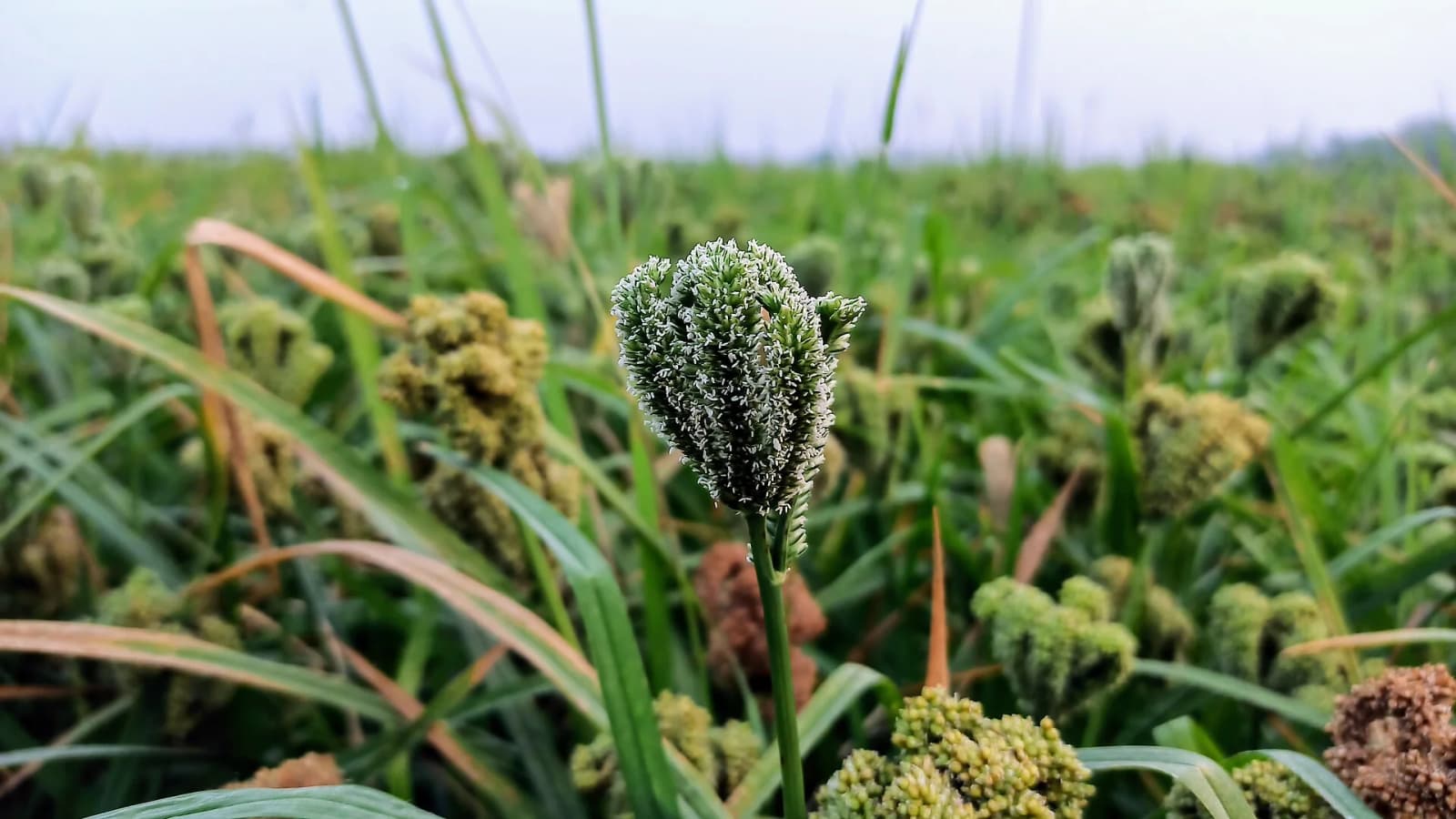
Tribal cultivators in Madhya Pradesh have propelled exports of traditional small millets — Kodo, Kutki, and Sama — past Rs 550 crore over the past three years, according to official state figures released on November 25, 2026. Produce grown primarily by tribal farming communities in Chhindwara, Mandla, Dindori, Balaghat, Shahdol, Umaria, Singrauli, and neighbouring belts has reached markets across the United Arab Emirates, the United States, and Europe.
Mandi Arrivals and Three-Year Export Momentum
Agricultural mandi data compiled by the state shows export earnings stood at Rs 183 crore in 2024-25 before rising to Rs 224.32 crore in 2025-26, while shipments in 2026 have already reached Rs 142.55 crore. Demand has accelerated alongside international recognition of nutrient-dense ancient grains and Geographical Indication (GI) tags awarded to Dindori's distinctive Sitahi Kutki and Nagdaman Kutki varieties.
The push complements wider rural income and water-security work across the Mahakoshal region, including irrigation infrastructure reviews covering Chhindwara and Seoni districts.
Rani Durgavati Scheme Scales Up Procurement
Under the Rani Durgavati Shri Anna Protsahan Yojana, Madhya Pradesh has initiated first-time direct procurement of Kodo and Kutki across 16 predominantly tribal districts. The state government has raised procurement rates to Rs 3,600 per quintal for Kutki, up from Rs 3,500, and Rs 2,600 per quintal for Kodo, up from Rs 2,500, on top of a Rs 1,000 per quintal incentive paid directly to registered growers.
Officials have scaled up the state's procurement target more than tenfold — from 3,000 metric tonnes last year to 32,500 metric tonnes this season — with over 15,000 farmers covering roughly 21,000 hectares already registered to sell their harvest at assured prices.