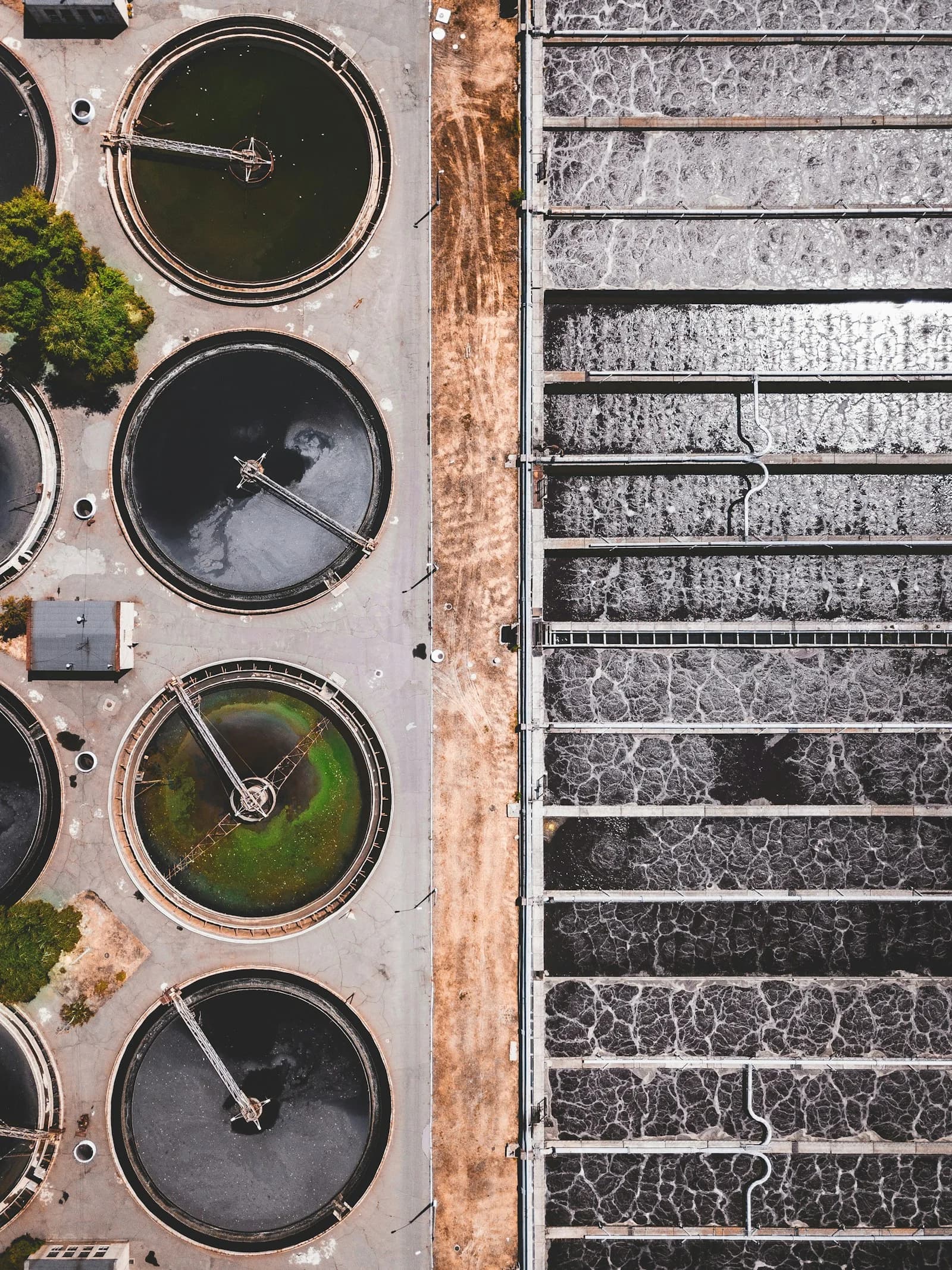
Madhya Pradesh has drafted a statewide policy that would require a long list of government departments, public sector companies and infrastructure agencies to use treated sewage water instead of fresh water for non-drinking needs. The draft, reported on 13 November 2026, sets a target of meeting half of such demand with treated water by 2037.
The Urban Development and Housing Department has prepared the State Level Policy for Recycle and Reuse of Treated Wastewater 2026, according to the Free Press Journal. Its stated aims are to cut the use of fresh water and to ensure that all sewage collected in the state is treated.
Who would have to switch to treated water
The draft calls for Treated Used Water, or TUW, to replace fresh water in the operations and non-potable demand of Navratna companies, public sector undertakings, power plants, ordnance factories, the railways, bus stations and the public works department. The list also takes in the National Highways Authority of India, the MP Road Development Corporation, the water resources department, the MP Industrial Development Corporation and other government agencies.
Enforcement would rest with the state government. Under the draft, users who are mandated to use TUW would not be given fresh water except where the policy allows, and their existing fresh water allocations or reservations would be withdrawn in stages. Industries may fund the setting up of tertiary treatment plants.
Targets and a water swap model
The policy envisages TUW meeting 20% of use by 2027, 30% by 2030 and 50% by 2037. Because urban local bodies differ widely in their sewerage networks and readiness, the targets rise in phases, grouped into short-term (one year), medium-term (two to three years) and long-term (five to ten years) timelines.
A key idea in the draft is a water swap. Fresh water now used by farms and industries would be reallocated to domestic supply in towns and villages, and those users would receive treated water in exchange from within the same river basin. The draft notes that this needs several partners and incentives for TUW and its users, and the government has invited suggestions from experts on it.
Lakes, parks and farms
Treated water could also be used for landscaping and parks and to revive wetlands, lakes and ponds, improving biodiversity in and around cities and villages. For agriculture and irrigation, the draft allows TUW to be used once the other demands are met and surplus remains. It asks the Water Resources Department to build a suitable water grid to carry treated water from sewage treatment plants to nearby irrigation fields.
Who will run it and what comes next
The draft sets out roles for a State High Powered Steering Committee, a State Level Technical Cell, urban local bodies, panchayati raj institutions and special purpose vehicles, covering planning, implementation and enforcement. As a draft, it remains open to change: the government has sought expert input, and the final shape of the mandate on departments and industries will depend on the version the state eventually notifies.