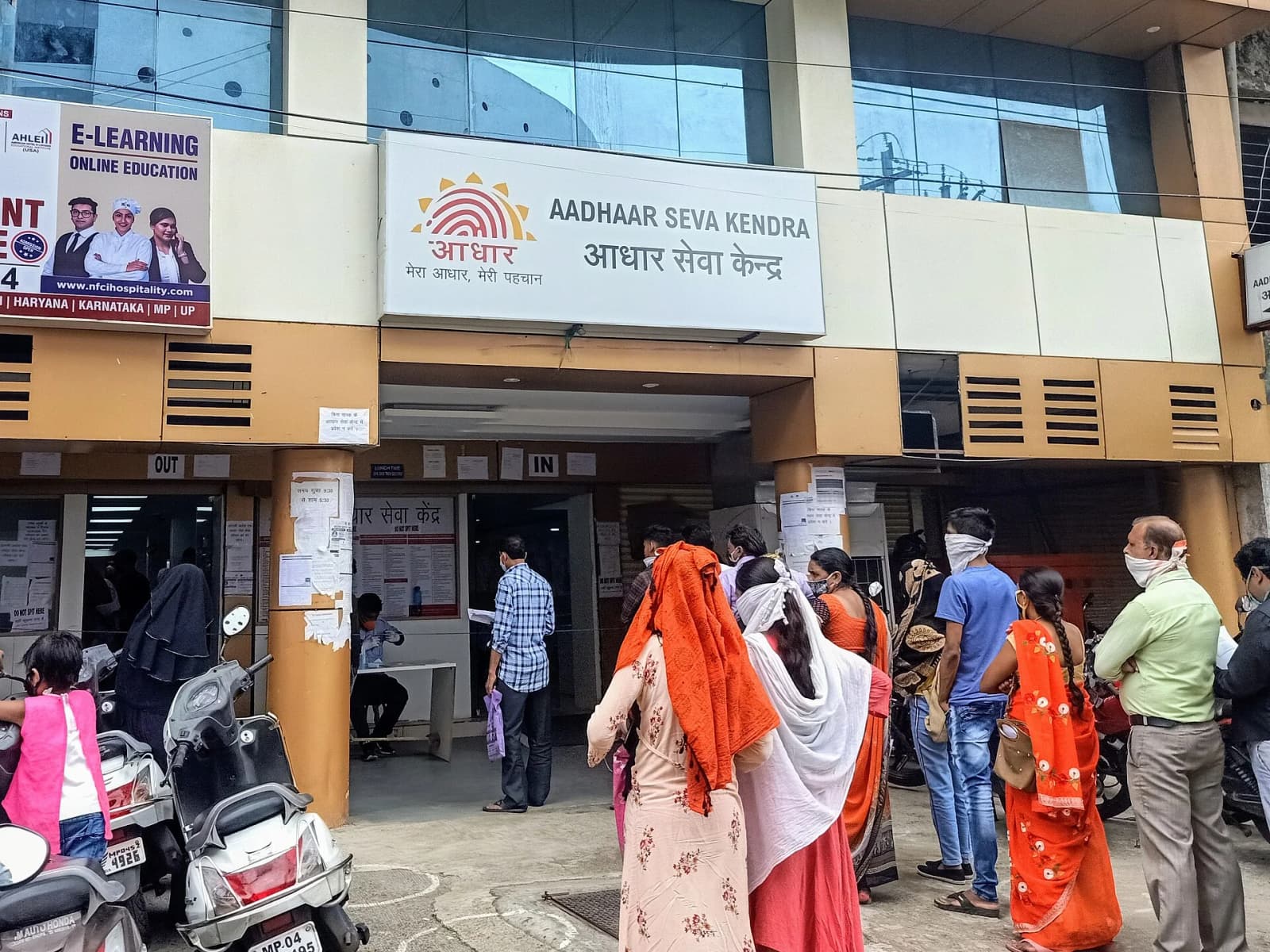
The Gwalior Bench of the Madhya Pradesh High Court has ruled that an Aadhaar card is primarily an identity document and cannot, by itself, serve as conclusive proof of a person's age when conflicting medical evidence exists in a motor accident compensation claim.
Post-Mortem Medical Opinion Preferred Over Aadhaar
In an 11-page judgment delivered on November 11, 2026 in Rajesh Singh and Another v. Rahul Singh and Others, a single-judge bench of Justice Amit Seth accepted an insurer's objection to the age recorded by the Motor Accident Claims Tribunal (MACT), Bhind in September 2022 following a December 2019 fatal accident involving a minor boy.
While the tribunal had determined the boy's age as 14 years, seven months, and nine days based on his Aadhaar card, the insurance company pointed to the post-mortem report recording his age as 13 years. Holding that post-mortem findings reflect medical examination, Justice Seth treated 13 years as the boy's age at the time of the crash.
Compensation Increased From Rs 5.45 Lakh to Rs 8.255 Lakh
Alongside setting the age at 13, the High Court revised the tribunal's calculation parameters after the grieving parents sought enhanced compensation. Fixing notional monthly income at Rs 7,950 based on unskilled minimum wages, applying a multiplier of 15, and deducting 50 percent for personal expenses, the court assessed loss of dependency at Rs 7,15,500.
- Additional Heads: Rs 40,000 each to both parents for filial/parental consortium, plus Rs 15,000 each for funeral expenses and loss of estate
- Total Award & Interest: Raised from Rs 5,45,000 to Rs 8,25,500—an enhancement of Rs 2,80,500—carrying 6 percent annual interest from the original filing date
The decision adds to recent Madhya Pradesh High Court compensation and governance orders, including recent MACT rulings upheld by the High Court.