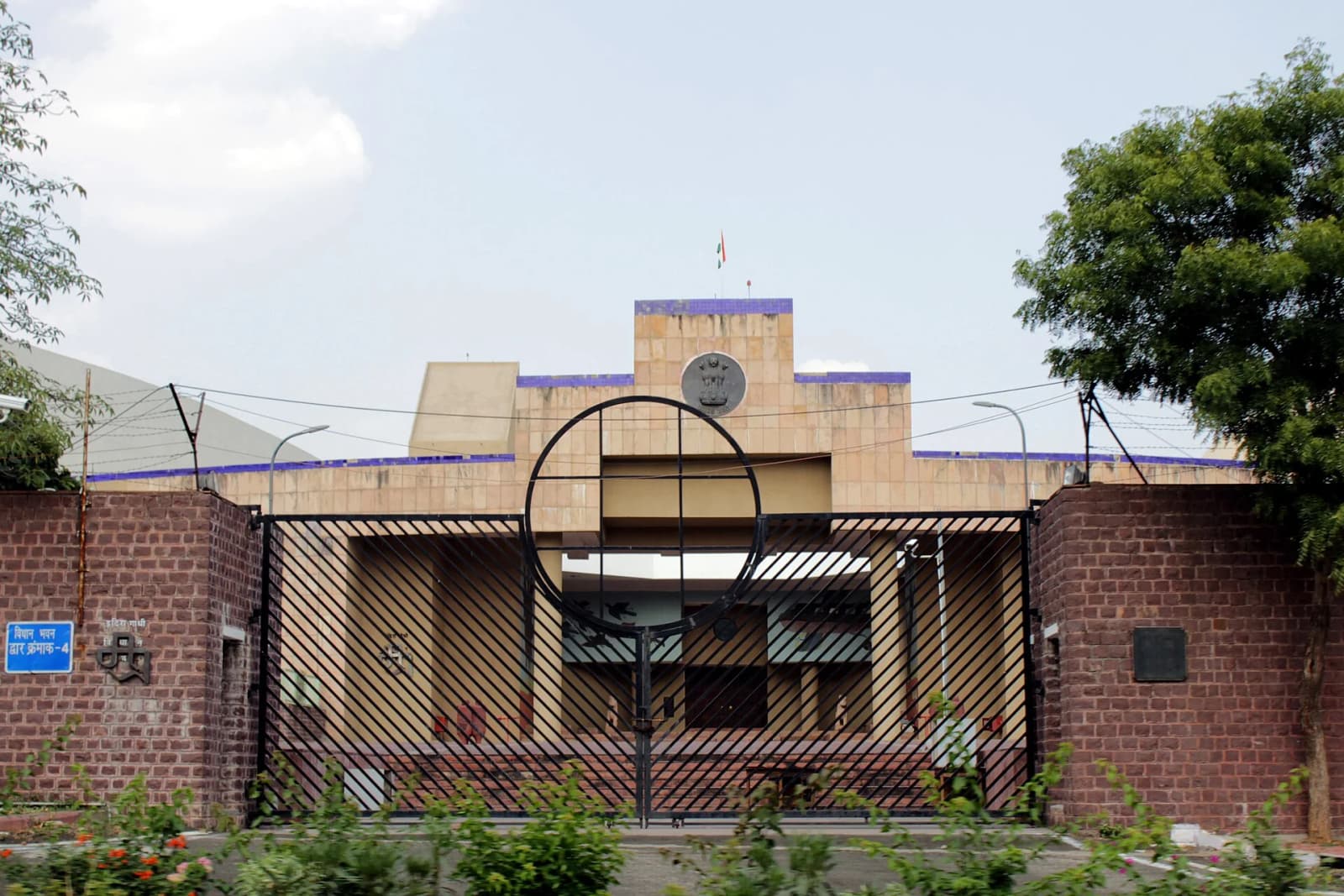
Madhya Pradesh's 16th Legislative Assembly has met for only 58 days since it was constituted in 2023, according to a tally published by the Free Press Journal on 13 November 2026. The figure has revived an old argument between the ruling BJP and the Congress opposition, coming weeks before a winter session that has been scheduled to last only five days.
A short winter session
The Governor, Mangubhai Patel, has summoned the House for its winter session from 7 to 11 December, PTI reported on 6 November. The notification issued by the Assembly Secretariat, signed by principal secretary Arvind Sharma, lists five sittings, including Question Hour. It is the 12th session of the current Assembly.
According to the PTI report, members had until 11 November to give notice of private members' bills, and have until 26 November for private members' resolutions. Notices for adjournment motions, calling attention motions and Rule 267-A matters can be filed from 1 December.
How the numbers compare
The Free Press Journal compared the current Assembly with its predecessors. By its count, the House sat for 167 days during the 2008–2013 term and 139 days during 2013–2018. The 2018–2023 Assembly managed 80 days, a term in which the House could not function normally in 2020 and 2021 because of the Covid-19 pandemic. The paper noted that sitting days kept shrinking even after the pandemic ended.
The 58-day total is the newspaper's figure and has not been independently confirmed from Assembly records. The year-by-year sitting days listed in the same report add up to 49, not 58, so the exact count remains unclear.
Opposition says the government is avoiding questions
Leader of the Opposition Umang Singhar of the Congress has objected to the length of the winter session. As reported by PTI, he accused the government of trying to dodge questions raised by the public and pointed out that the previous monsoon session, planned for five days, ended after three. He listed issues the opposition wants to take up, among them child deaths in Balaghat, deaths linked to spurious liquor in Sagar and Dewas, farmers' distress and youth unemployment. PTI quoted him as saying the government can shrink the House, but not the public's questions.
Speaking to the Free Press Journal, Singhar argued that in a session this short, MLAs cannot properly raise matters concerning their constituencies, farmers, young people, employees or law and order. The Congress Legislature Party has said it will raise every public issue it can during the session.
Why it matters
Sitting days are the main time when the legislature can hold the executive to account. Question Hour, calling attention motions and debates on bills and budgets all depend on the House actually meeting. Political analysts cited by the Free Press Journal said longer sessions give elected representatives more room to debate public issues and help citizens follow how they are governed. They added that governments of all stripes tend to cut sessions short to limit criticism.
What happens next
The winter session opens on 7 December in Bhopal. Opposition members can begin filing notices for adjournment and calling attention motions from 1 December. The Congress has made clear it wants a longer sitting, but as notified, the schedule stands at five sittings ending on 11 December. Any extension would need the government's agreement.
PS · Suyash Dwivedi, CC BY-SA 4.0