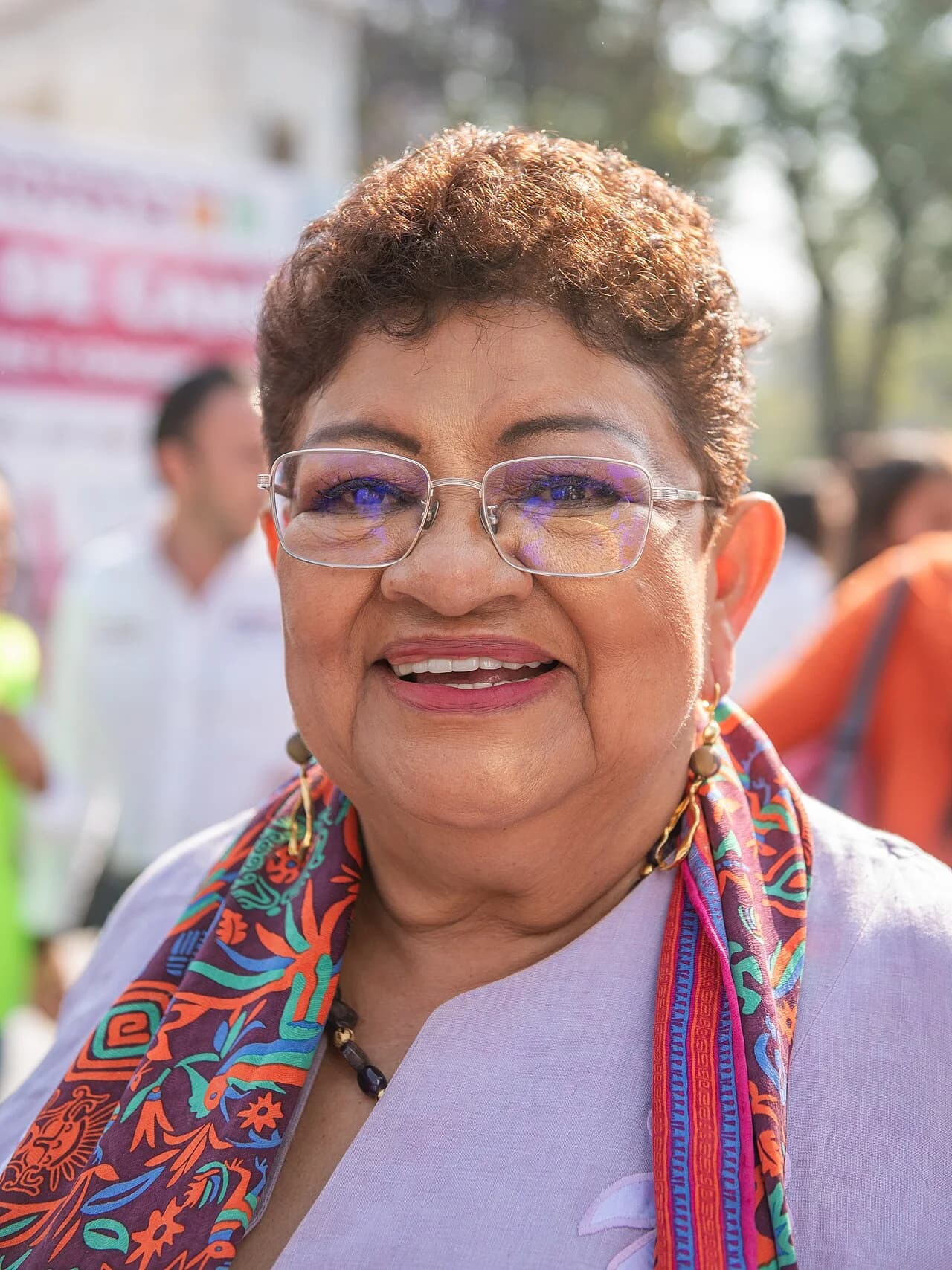
Mexico will put alleged drug trafficker Fausto Isidro Meza Flores, known as "El Chapo Isidro", on trial at home rather than hand him straight to the United States, Attorney General Ernestina Godoy Ramos said in Mexico City on 23 November 2026. Her statement came on the same day that Security Minister Omar García Harfuch said Washington had asked for his extradition.
Meza Flores, who has been on the US Federal Bureau of Investigation's (FBI) Ten Most Wanted list since February 2025, was captured on the night of 20 November in Guasave, in the north-western state of Sinaloa, after a gun battle that left four Mexican soldiers and 16 alleged gunmen dead, according to Mexican authorities.
What did Mexico's attorney general say?
Asked whether he would be sent to the US, Ms Godoy replied that Mexico would try him in the country, Infobae reported. She spoke to reporters after appearing before the Political Coordination Board (Junta de Coordinación Política) of the Chamber of Deputies, and said due process would be respected at every stage.
According to Infobae, she also said the US had not yet filed its formal extradition request with all the supporting evidence, and that arrest warrants exist for other people linked to the case, which would be executed "in due time". She did not name them or give a timeline.
In Mexico he faces local charges of weapons offences and possession of methamphetamine with intent to sell, Al Jazeera reported. A court hearing began on Monday morning at the Specialised Prosecutor's Office for Organised Crime (FEMDO) in Mexico City, where the defence asked for the constitutional deadline for deciding his legal status to be extended, Infobae said.
What is he accused of in the United States?
The US Department of Justice says he faces six charges, including running a continuing criminal enterprise, narcoterrorism, money laundering conspiracy and weapons offences, according to Al Jazeera. US authorities accuse him of leading a network that moved heroin, cocaine, methamphetamine, marijuana and fentanyl across the border. The FBI had offered a reward of up to $5 million for information leading to his arrest, Infobae reported.
Mexico's Defence Secretary, General Ricardo Trevilla Trejo, has said Meza Flores joined the Beltrán Leyva organisation in 2004 and took control of it after the arrest of Alfredo Beltrán Leyva in 2008 and the death of Arturo Beltrán Leyva in 2009. His network was said to operate in at least eight Mexican states, using road routes towards the Arizona border and sea routes through the Gulf of California.
How was he captured?
Infobae, citing the military, said the operation involved 361 Army Special Forces and National Guard personnel and 14 aircraft, including armed helicopters and a drone. Gunmen opened fire on the troops and armed groups blocked highways across Sinaloa in an attempt to free him. Seized items included two Barrett rifles, heavy machine guns, a grenade launcher and 17 vehicles, eight of them with improvised armour. Two other people were detained with him.
President Claudia Sheinbaum said US authorities provided intelligence but did not take part on the ground, Al Jazeera reported. US surveillance drones were authorised to help track him before the raid.
Why it matters
The decision could add strain to relations between Mexico City and Washington. US President Donald Trump has pressed the Sheinbaum government to crack down on organised crime, and Mexico has carried out a string of high-profile anti-cartel operations this year, including the killing of Nemesio "El Mencho" Oseguera in February, according to Al Jazeera.
It is not yet clear how Mexico will respond to the extradition request once it is formally completed, or when a court will decide whether to formally bind him over for trial. Meza Flores had been detained four times before, in 2014 and 2015, on organised crime and firearms charges, Infobae reported.
Photo source · EneasMx, CC BY 4.0