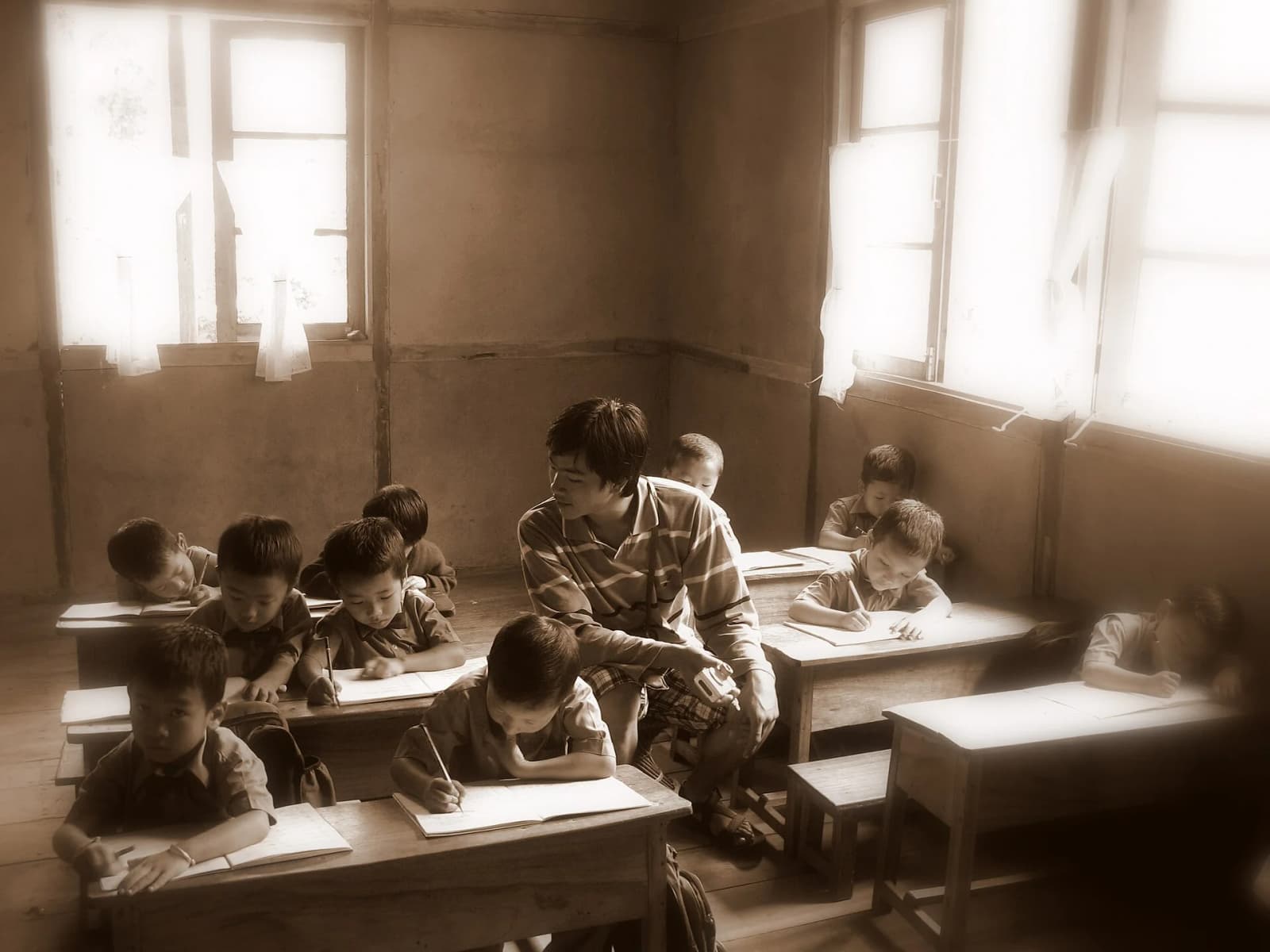
The Meghalaya Education Department has mandated at least 10 bagless days across all schools and introduced compulsory Community-Integrated Skill Learning (CISL) for Classes 6 to 10 starting in the 2027-28 academic session, which officials said Sunday will commence on February 8, 2027. Under the new notification, pre-school to Class 2 will conclude on November 26, 2027, while Classes 3 to 10 will wrap up on December 16 before winter vacation begins the next day.
Revised School Timings and Instructional Hours
The department set minimum annual benchmarks of 200 working days and 1,000 instructional hours for Classes 1 to 5, 220 working days and 1,320 instructional hours for Classes 6 to 8, and 220 working days and 1,540 instructional hours for Classes 9 to 12. Daily timings at government institutions have also been fixed at 9 a.m. to 2 p.m. for lower primary, 9 a.m. to 3 p.m. for upper primary, and 9 a.m. to 4 p.m. for secondary and higher secondary classes.
Morning assemblies will be mandatory on every working day and largely student-led, incorporating news reading, speeches, storytelling, quizzes, cultural performances, and discussions on health, civic responsibility, and environmental awareness.
Bagless Learning, CISL Marks and NEP-Aligned Evaluation
During the minimum 10 bagless days, students—particularly in Classes 6 to 8—will take part in out-of-classroom learning such as traditional crafts, interactions with local artisans and farmers, heritage and farm visits, nature walks, sports, financial literacy, and entrepreneurship. Meanwhile, CISL becomes a mandatory component of Health and Physical Education for Classes 6 to 10, carrying 50 out of the 100 marks alongside 50 marks for Health and Physical Education, covering agriculture, family-based trades, digital skills, arts, sports, and community service.
The notification also directs schools to conduct baseline reading-readiness checks, guarantee 100 per cent syllabus completion through advance lesson planning, hold regular parent-teacher meetings after mid-term and final exams, and replace rote memorisation with National Education Policy (NEP) 2020 competency-based assessments combining projects, oral evaluations, practical tasks, and written tests.