
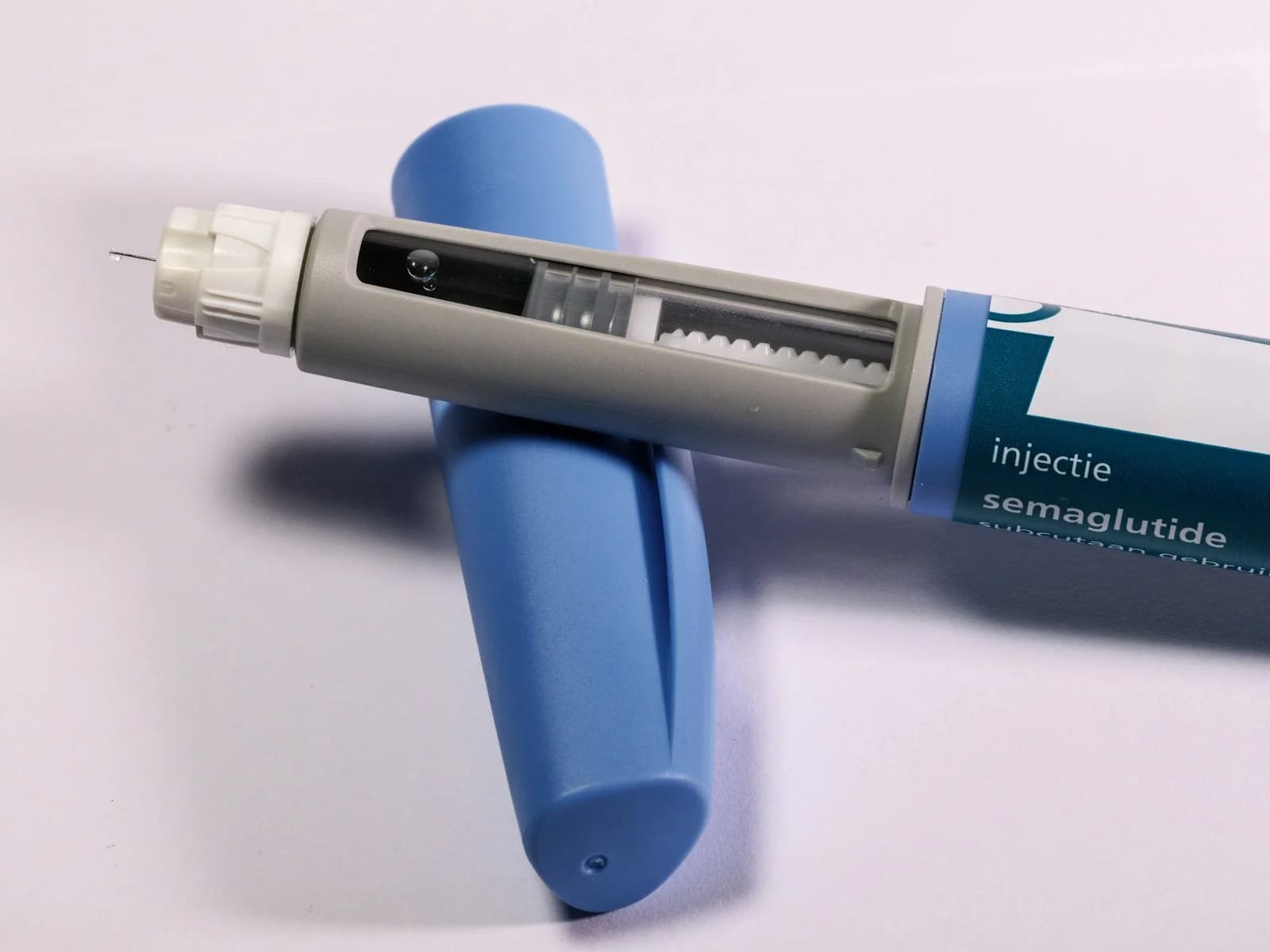
Prescriptions for GLP-1 weight-loss drugs fell by about 84% in four US states after their Medicaid programmes stopped paying for the medicines at the start of 2026, according to a University of Pittsburgh study published in the journal JAMA and announced by the university on Monday, 16 November.
Medicaid is the public health insurance programme for low-income Americans. The researchers compared California, New Hampshire, Pennsylvania and South Carolina, which all withdrew coverage of GLP-1 drugs for weight loss with effect from 1 January 2026, with 10 states that kept paying for them.
What the numbers show
In the four states that ended coverage, the university said, prescriptions for GLP-1 drugs approved for weight loss dropped from 2,914 per 100,000 Medicaid beneficiaries in the last quarter of 2025 to 421 in the first quarter of 2026. In the 10 comparison states the figure moved far less, from 3,006 to 2,758.
The fall was not the same everywhere. According to the release, the decline was:
- 95.5% in Pennsylvania
- 88% in New Hampshire
- 75.2% in California
- 60.8% in South Carolina
The authors estimate that between 175,500 and 526,600 fewer Medicaid beneficiaries across the four states may have filled these prescriptions once coverage ended. The range is wide because the data count prescriptions, not people.
Patients did not simply switch
One question the team looked at was whether patients moved to versions of the same class of drug that are approved for diabetes and remained covered. The study found no statistically significant rise in the use of diabetes-approved GLP-1 drugs in the states that withdrew coverage, which the researchers said suggests there was no broad switch through Medicaid.
Lead author Dr Bryant Shuey, assistant professor of medicine at the University of Pittsburgh, said in the release that the declines "corroborate what we saw clinically". He also warned that when patients abruptly stop these medicines, "they are at risk of worsening cardiometabolic health".
Senior author Dr Timothy S. Anderson, associate professor of medicine at the university, said: "It is not surprising that abruptly ending drug coverage creates major disruptions in care." He added that "Medicaid covers 20% of Americans and state Medicaid budgets are shrinking".
How the study was done
The team analysed Medicaid prescription data from all 50 US states and Washington, D.C., covering January 2022 to March 2026, including both fee-for-service and managed care prescriptions. Since 2022, the release said, 17 state Medicaid programmes have covered GLP-1 drugs approved for weight loss, often with prior-authorisation conditions.
The data also show how quickly demand had grown before the cuts. Nationally, quarterly Medicaid prescriptions for weight-loss-approved GLP-1 drugs rose 5,858% between the first quarter of 2022 and the first quarter of 2026, with the fastest growth in states that covered them. Prescriptions for diabetes-approved GLP-1 drugs rose 150% over the same period.
What the study cannot tell us
The authors list several limits. The study is observational and did not measure what happened to patients' weight or health after they lost coverage. It could not see prescriptions that people paid for privately or obtained from other sources. Other changes in coverage rules, such as prior-authorisation policies, may also have played a part, and the researchers said it needs further study whether some patients kept access through another covered use, such as sleep apnoea.
Dr Shuey said patients and clinicians should explore other evidence-based approaches to weight loss, such as diet-focused programmes, while keeping watch on cardiometabolic health.
The work was funded by three institutes of the US National Institutes of Health: the National Institute on Drug Abuse, the National Institute on Aging and the National Institute on Alcohol Abuse and Alcoholism. Co-authors are from the University of Pittsburgh, Duke University and Geisinger Commonwealth School of Medicine.