A capsized tanker carrying about 7,000 tonnes of diesel was being towed slowly across the western Mediterranean towards the Spanish port of Cartagena on 28 November 2026. Spain's Ministry of Transport said no pollution had been detected along the towing route, while the regional government of Murcia vowed to go to court to stop the ship from arriving.
The Maltese-flagged Med Emre, operated by the Turkish shipowner YMN Tankers, overturned on the night of Wednesday, 25 November, between Valencia and the Balearic island of Ibiza. The vessel now lies keel-up, with its deck and bridge under water.
Has any diesel leaked into the sea?
Not along the towing route so far, according to the ministry. In an update reported by the Spanish news agency EFE, the ministry said no contamination had been detected on the way to Cartagena. It added that authorities were still monitoring a low-intensity slick of aged fuel, measuring about 5 by 0.5 nautical miles, in the area where the ship capsized, roughly 20 miles off Ibiza.
Officials said inspections of the hull had been positive and the ship's flotation was stable. The cargo has so far stayed contained, but fears of a larger spill have not gone away.
How is the ship being moved?
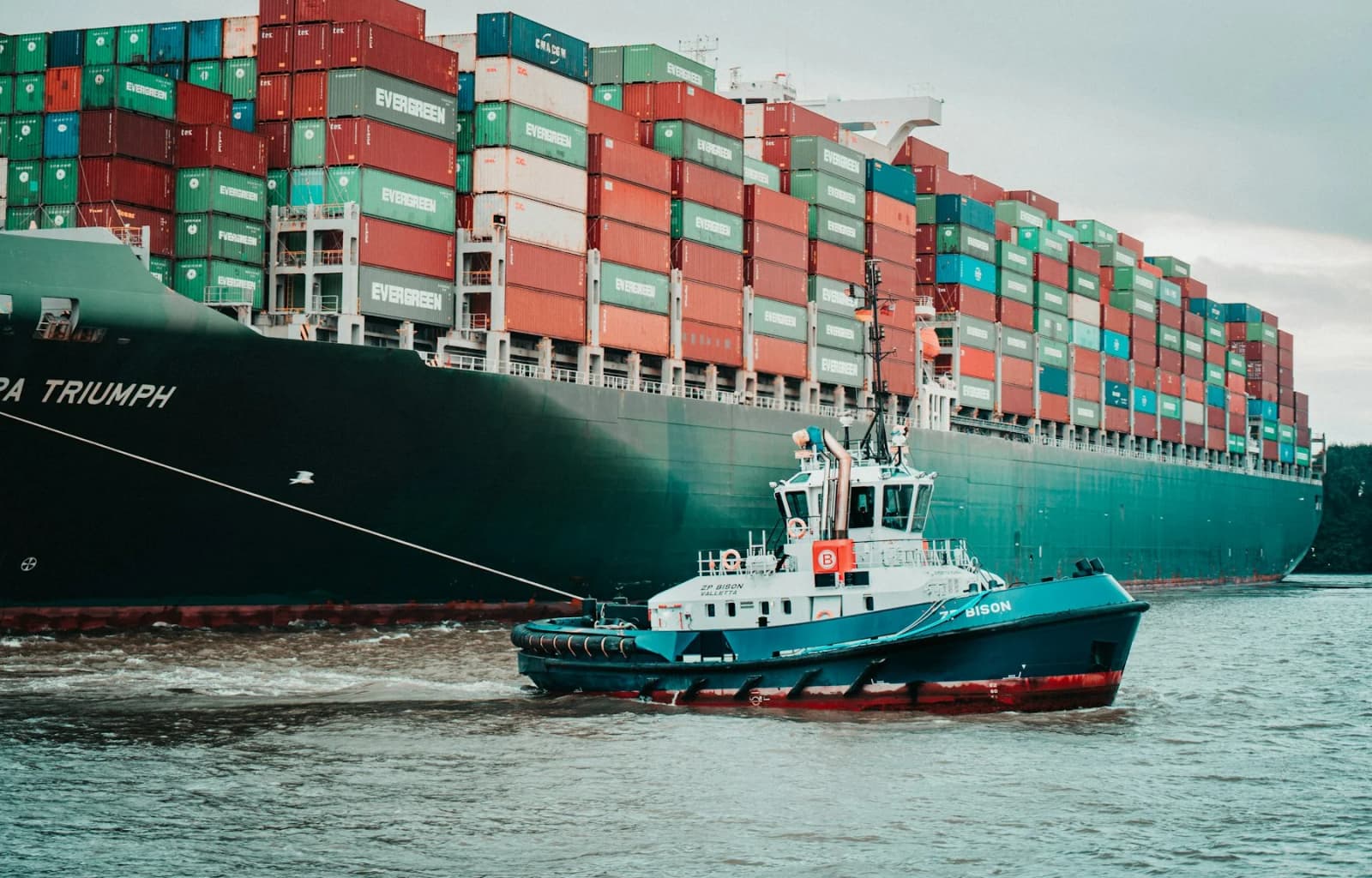
The tow began at 18:00 on Friday, 27 November. The rescue vessel Clara Campoamor of Spain's maritime rescue service, Salvamento Marítimo, is pulling the tanker, with a private tug, the Boluda Fos, also taking part. The convoy is moving at only one to two knots towards the Escombreras basin of the Port of Cartagena.
The ministry has said the tanker will remain on its side for the whole journey. According to AFP, it could reach Cartagena as early as Monday, 30 November. Pumping out the fuel and righting the vessel is expected to take several weeks.
Why Cartagena, and why is Murcia objecting?
The ministry described the choice as a technical one taken by the Valencia maritime authority. It said Cartagena was the only safe port with the depth, space and safety conditions needed, after options such as Palma, Alicante and Valencia, and a recovery at sea, were ruled out. It also pointed to the port's industrial setting and its nearby pollution-response and petrochemical facilities.
Murcia's regional president, Fernando López Miras, has rejected the plan, warning of a potential risk to the region's coastline and marine ecosystems. He said ten protected areas around Cartagena could be affected, and that the Escombreras valley handles roughly 40% of Spain's fuel supply. His government has announced an urgent appeal to the High Court of Justice of Madrid, seeking interim measures to halt the transfer. Environmental groups have also raised concerns about endangered species, fishing and tourism.
What caused the accident?
The cause has not been established. Valencia's harbourmaster, Elena Delgado, said waves of more than four metres were hitting the area during a storm. One possibility she raised was that inspection hatches on one side had been left open, allowing water into the ballast tanks and causing the ship to list and turn over. This has not been confirmed.
The owner said the ship's chief engineer died in the early hours of Thursday. YMN Tankers said it was deeply concerned and was working on a salvage plan with Spanish authorities and maritime rescue experts.
What happens next?
Technical teams from Murcia, the Valencian Community and the Balearic Islands, central government ministries, the Cartagena port authority and the shipowner are holding coordination meetings that will continue over the coming days. The key questions now are whether the Madrid court acts on Murcia's request before the tanker arrives, and whether the hull holds together long enough for its cargo to be removed safely.
Photo source · Mika Baumeister, Unsplash License