A female cheetah brought to India from Botswana has given birth to four cubs in the wild, the Union Ministry of Environment, Forest and Climate Change said on 20 November 2026. The mother, a two-and-a-half-year-old cheetah identified as KOMG 3, is the first of the Botswana females to give birth in India, according to Union Environment Minister Bhupender Yadav.
With the four new cubs, India's cheetah population now stands at 62, of which 43 were born in India, the ministry said in a press release issued by the Press Information Bureau (PIB). Hindi news site Navbharat Live reported that the birth took place at Kuno National Park in Madhya Pradesh, where the Botswana cheetahs were brought earlier this year.
What happened at Kuno on 20 November?
KOMG 3 gave birth to four healthy cubs under natural conditions in the wild, not inside an enclosure, the ministry said. She had been living in the open for more than four months before the birth. The ministry described this as only the second recorded birth in the wild since India's cheetah reintroduction programme began in 2022.
Mr Yadav announced the birth in a post on social media, calling it a landmark moment for Project Cheetah. "Every such birth strengthens our hope, deepens our commitment and reminds us that conservation is a journey of patience, perseverance and collective effort," he wrote. He also credited the project's managers, veterinarians and frontline forest staff.
Where did the Botswana cheetahs come from?
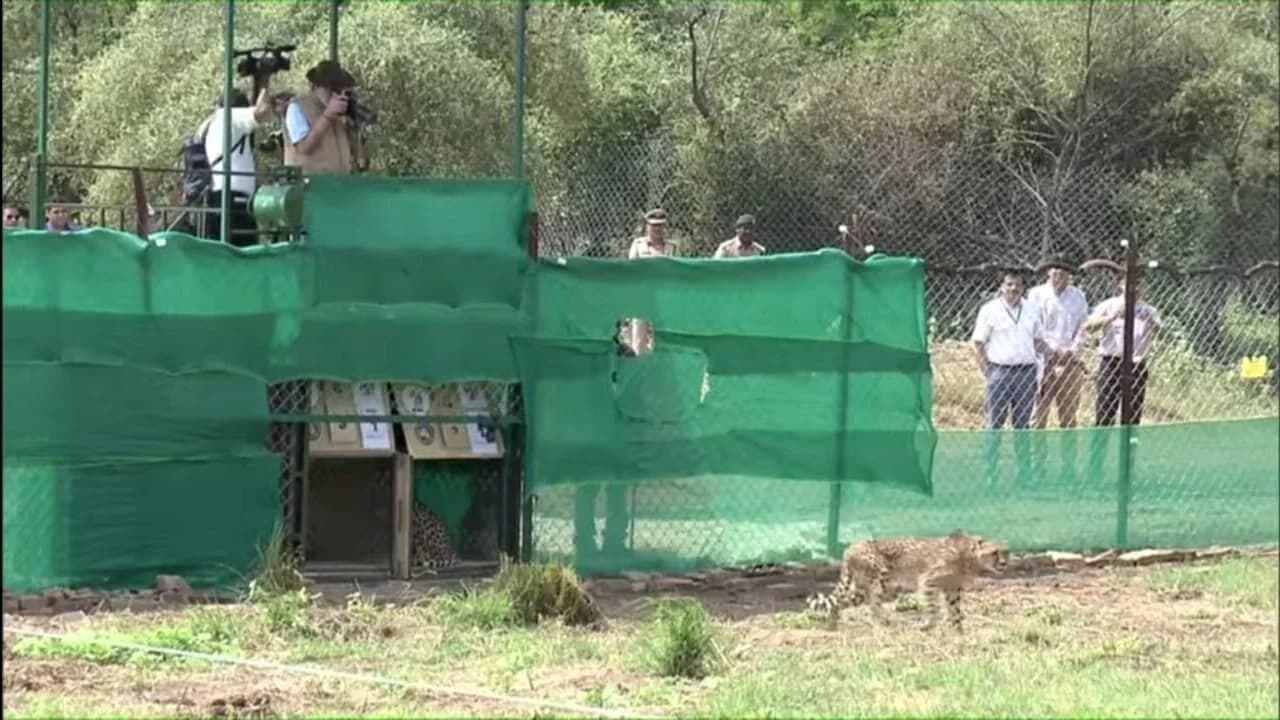
The Botswana animals form the third batch of cheetahs brought to India under Project Cheetah. On 28 February 2026, Mr Yadav released nine cheetahs from Botswana, six females and three males, into quarantine enclosures at Kuno, according to an earlier PIB release. They were to go through a period of acclimatisation and health monitoring before being let out into the wider landscape.
India first brought eight cheetahs from Namibia on 17 September 2022 and 12 from South Africa in February 2023, the ministry said at the time. Talks with Botswana began in December 2024. The animals were captured in Botswana's Ghanzi region and formally handed over to India in November 2025, during President Droupadi Murmu's visit to the country.
Why does this birth matter?
A birth in the wild by a newly imported female is an important test for the programme. It suggests that at least one of the Botswana cheetahs has settled into Indian conditions well enough to breed without human help. Mr Yadav said the new arrivals took India a step closer to restoring a viable cheetah population.
The numbers have also grown quickly this year. When the Botswana batch arrived in February, the ministry put India's cheetah count at 48, including 28 India-born cubs. Nine months later, the official count is 62, with 43 born in the country.
Wildlife news from Madhya Pradesh this week has not all been good. Forest officials are still trying to find out why a male tiger was found dead in Bandhavgarh Tiger Reserve, as MapMyTimes reported earlier.
What is confirmed and what is not yet confirmed
- Confirmed: KOMG 3, a two-and-a-half-year-old female from Botswana, gave birth to four cubs in the wild on 20 November 2026, according to the Environment Ministry.
- Confirmed: India's cheetah population is now 62, including 43 born in India, the ministry said.
- Not yet confirmed: The sex of the cubs, the identity of the father and the exact spot where they were born have not been officially disclosed.
What happens next?
Cubs born in the wild face many risks in their first months, so the litter is likely to be closely watched by the Project Cheetah team. Any official update on the cubs' health is expected to come from the Environment Ministry or the Madhya Pradesh Forest Department.
Photo source · PMO India, CC BY 3.0