Members of the Knanaya Christian community and church bodies have petitioned the Supreme Court challenging a March 23, 2026 Kerala High Court verdict that invalidated the community's rule of endogamy and barred termination of church membership for marrying outside the fold. The apex court has listed the appeals for January 5, 2027, noting it will take them up after a nine-judge Constitution Bench delivers its ruling on the Sabarimala reference and related questions on religious autonomy.
Constitutional Grounds Raised Under Articles 26 and 29
In their Special Leave Petitions, the petitioners argued that the Kerala High Court erred by denying the Knanaya community status as a distinct religious denomination and by applying Part III fundamental rights horizontally against customary church governance. Invoking Article 26(b) and Article 29(1) of the Constitution, alongside the seven-judge Shirur Mutt precedent, the pleas contend that the community's centuries-old practice of marrying within the group is recognised under Canons 6(2) and 1509 of the Code of Canons of the Eastern Churches.
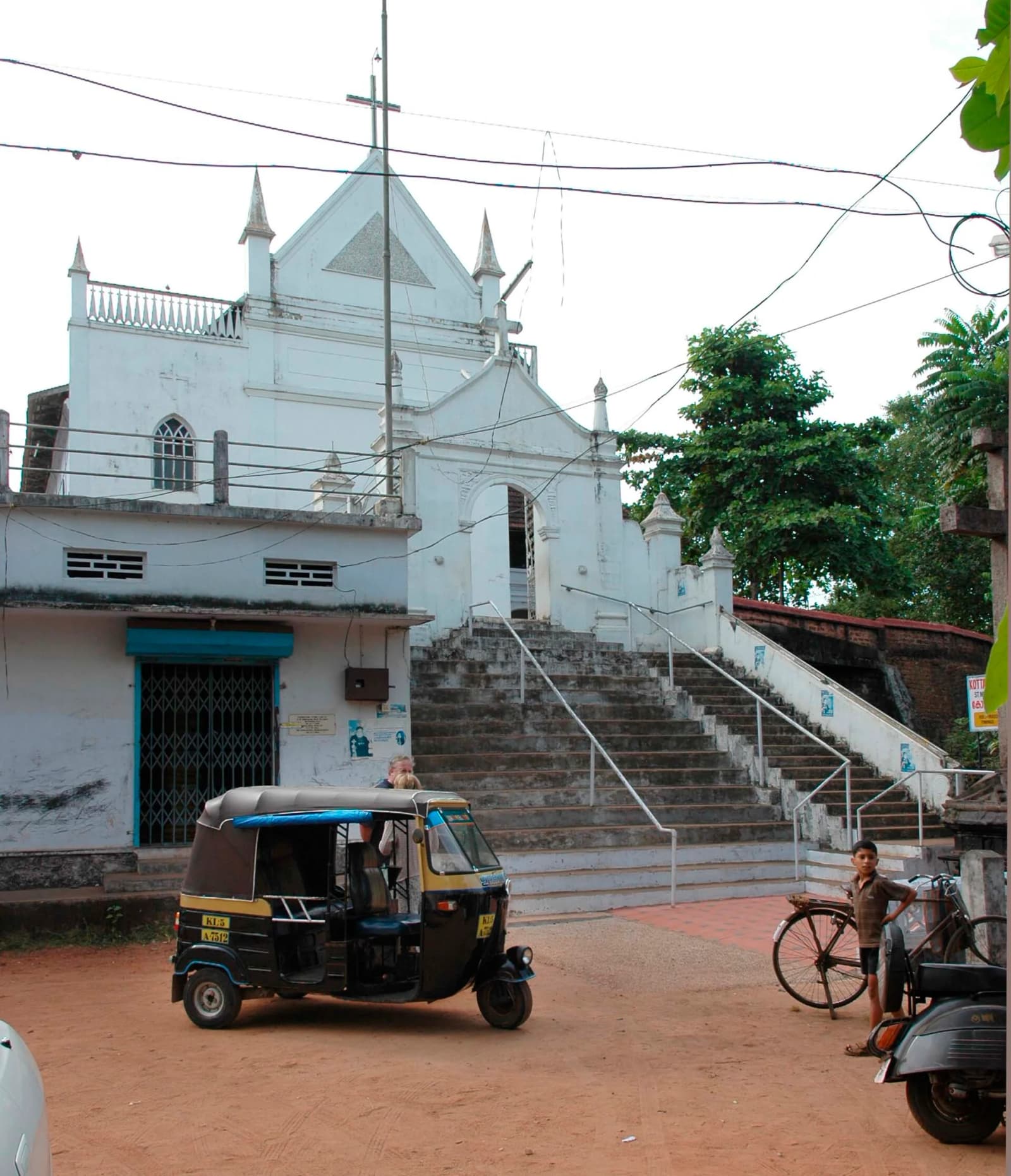
The petition states that the High Court ruling “strikes at the root of the very existence of the community and treads into matters of ecclesiastical concern,” warning that opening membership in the Archeparchy of Kottayam to non-Knanaya spouses would erase a 16-century ethnic and cultural identity traced back to the arrival of 72 families at Cranganore in AD 345. It clarifies that members who marry outside the community are not excommunicated from the broader Syro-Malabar Church and may attend worship outside Kottayam's Knanaya parishes.
Long-Running Litigation and Pending Constitution Bench Verdict
The dispute stems from a 2015 civil suit filed by the Knanaya Catholic Naveekarana Samithy before the Additional Sub-Court in Kottayam seeking protection for church membership regardless of marriage outside the community. The trial court ruled in favour of the plaintiffs in 2021 and the first appellate court dismissed appeals in September 2022 before Justice Easwaran S. of the Kerala High Court held in March 2026 that endogamy was neither an established valid custom nor an essential religious practice.
Before a Supreme Court bench of Justices B.V. Nagarathna, R. Mahadevan, and Sanjeev Sachdeva, the timing now turns on the larger nine-judge bench—which reserved its verdict on May 14, 2026—clarifying the interplay between Articles 21, 25, and 26, as well as excommunication powers raised in the tagged Dawoodi Bohra matter.