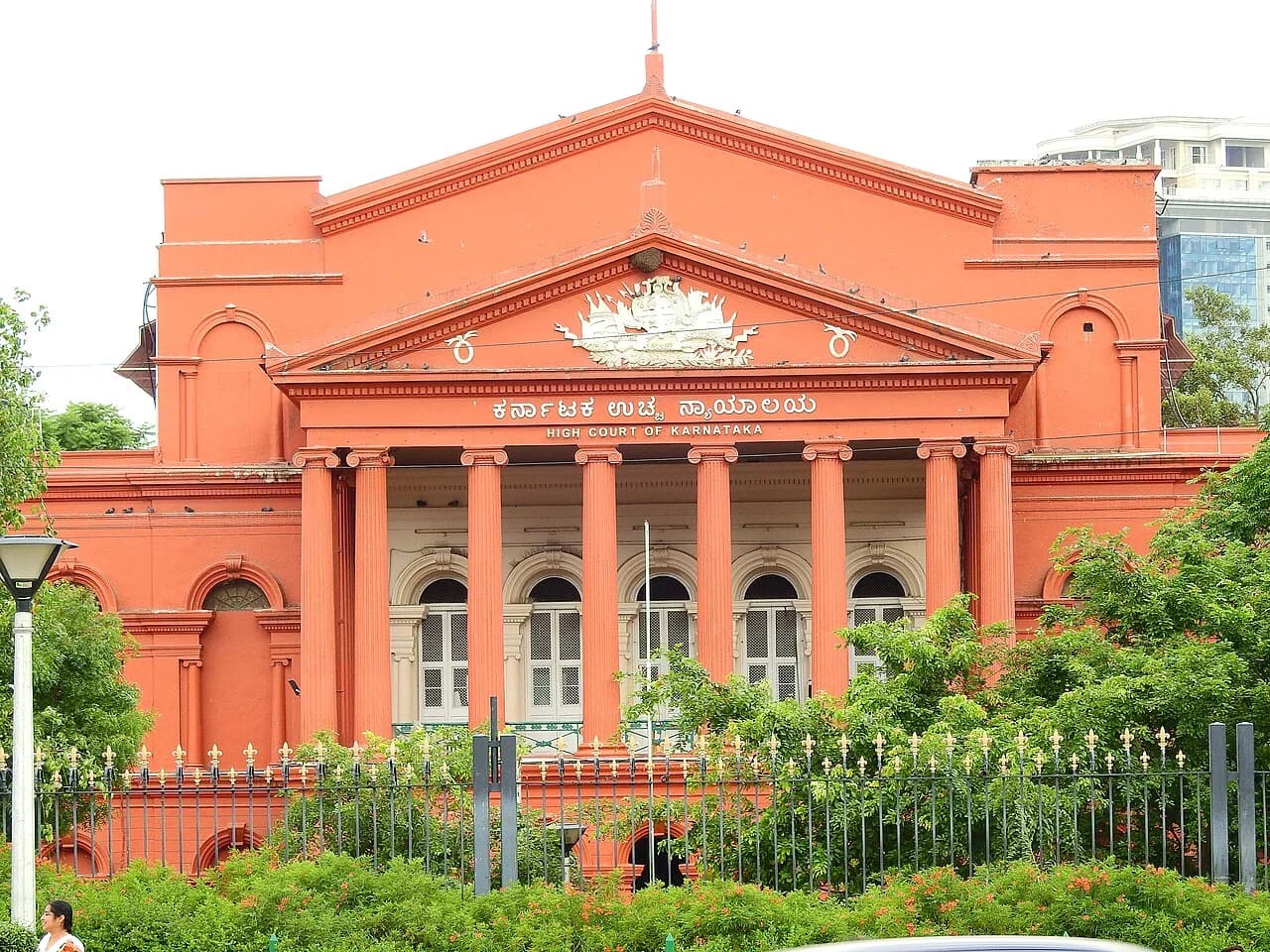
The Karnataka High Court on Tuesday, 17 November 2026, stayed police investigation in three more FIRs against 10 people accused of misusing Form 7 applications to get Muslim voters removed from the electoral rolls during the Special Intensive Revision (SIR) in the state, Bar and Bench reported. Justice Anant Ramanath Hegde also refused to lift the interim stay he had granted in two earlier cases on 9 October, which means the probe in five such cases is now on hold.
What the court ordered
According to Bar and Bench, the fresh interim relief was given in petitions filed by Ramakrishna and another, U H Lokesh and others, and Harish Kumar C and others. The stay granted earlier on petitions by G S Vasantha Lakshmi and Deepak Singh R continues, and the state government's applications to vacate those orders were declined.
The court directed the Election Commission of India (ECI) to place on record the material relating to its decisions on the Form 7 applications in question.
The allegations
The complainants allege that Form 7 applications were filed in bulk with incorrect details to strike off eligible voters, some of them aimed at Muslim voters, and that the filings involved false information, forged signatures and impersonation, the report said. The figures cited in the cases include:
- Malleshwaram: 778 applications across eight polling stations, allegedly aimed at voters from a minority community
- Jayanagar: 5,698 applications, of which 4,327 were in Gurrappanapalya ward
- Yeshwanthpur: applications concerning 136 voters
- Kodagu: applications concerning 64 voters
Applications concerning voters in Mysuru are also part of the cases, the report added.
Why the probe was stayed
The judge went through Rules 15 to 23 of the Registration of Electors Rules, 1960, which lay down how the Registration Officer must scrutinise objections, hold an inquiry, hear the people affected and decide, with an appeal available afterwards. The court said, as quoted by Bar and Bench, that "a comprehensive statutory scheme has been provided for the inclusion and deletion of names in the electoral roll". It also referred to Section 31 of the Representation of the People Act, 1950, which punishes knowingly false declarations in electoral roll matters.
The court observed that a difference in signatures does not, by itself and at this stage, establish forgery. It held that the statutory inquiry by the Registration Officer should be completed first, and that the officer's finding "may furnish materials to take a call" on whether the FIRs should be quashed or the investigation allowed to go ahead.
What the two sides argued
Advocate General K Shashi Kiran Shetty and State Public Prosecutor B N Jagadeesha opposed the petitions for the state, contending that fake or forged applications cannot be permitted under the cover of SIR. Senior Advocates M Aruna Shyam and Vivek Subba Reddy, for the petitioners, argued that Booth Level Agents are entitled to file Form 7 objections on behalf of political parties and that it is for the Electoral Registration Officer to test their correctness under the prescribed procedure.
What happens next
The complainants have been given liberty to ask for the interim orders to be modified or vacated, and the state may seek modification once the relevant records come in from the ECI, Bar and Bench reported. The report did not mention the next date of hearing.
PS · Rehman Abubakr, CC BY-SA 4.0