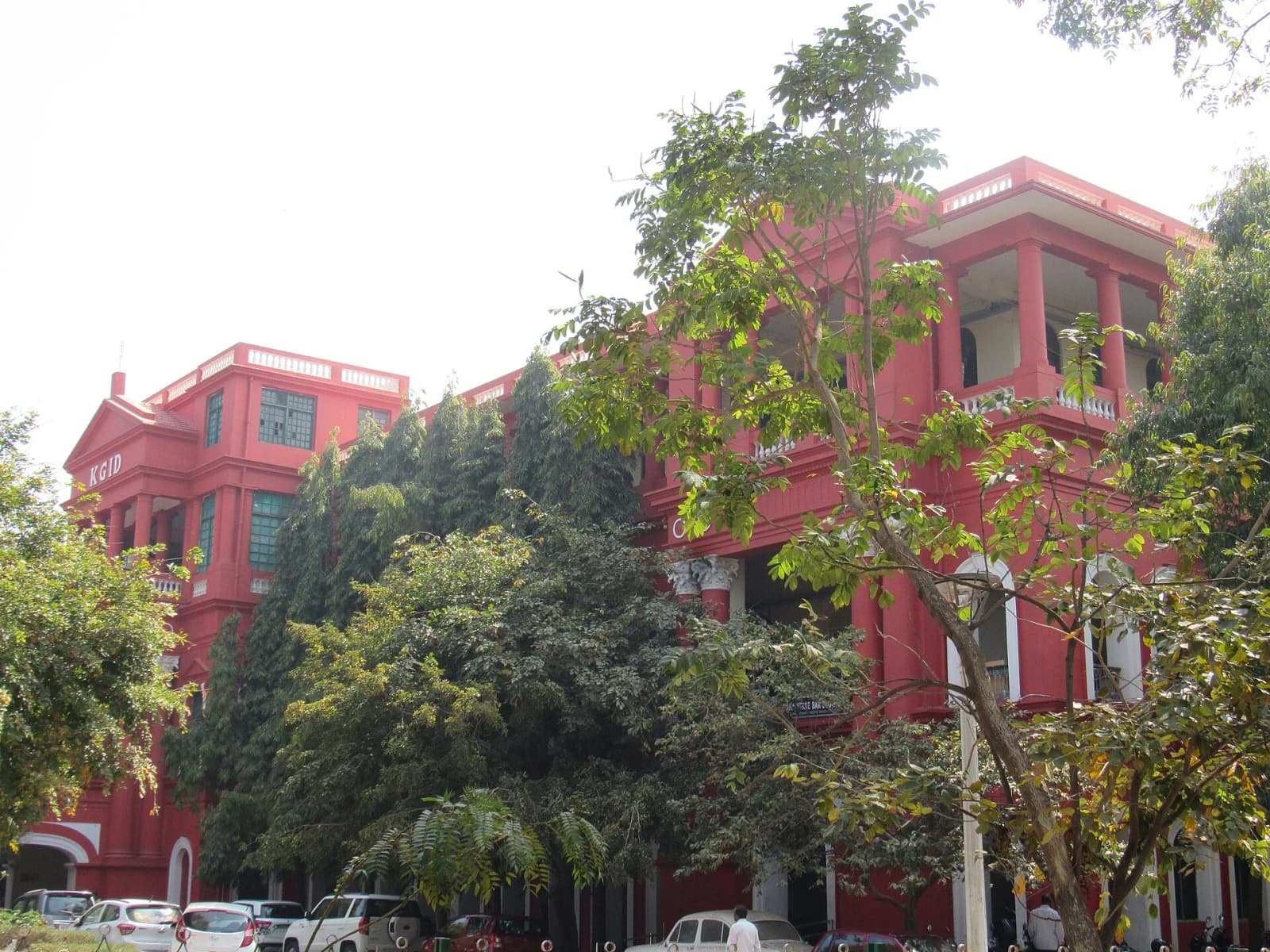
The Karnataka State Bar Council (KSBC) has told advocates who did not clear the All India Bar Examination (AIBE) within two years of enrolment to stop practising immediately before any court, tribunal or authority until they pass the exam, Bar & Bench reported.
The directions are contained in a circular dated 13 November issued by KSBC Chairman Rajanna R. According to the report, the council issued it to comply with a Karnataka High Court judgment of 17 October, delivered by Justice HP Sandesh, which asked the KSBC to evolve a mechanism to identify advocates practising law without clearing the mandatory AIBE within the prescribed period.
Who is covered
The circular draws a line based on when a lawyer completed the law degree, according to Bar & Bench:
- Law graduates who finished their degree in or before the academic year 2009-10 (on or before 12 June 2010) and enrolled as advocates are exempt from the AIBE.
- Those who graduated after 2009-10 and enrolled must clear the examination within two years of the date of enrolment.
- Those who miss the two-year window lose the right to practise before any legal forum until they pass.
"All such ineligible persons shall forthwith cease practicing before any Court, Tribunal, or Authority, and shall neither file a Vakalatnama nor represent themselves as practicing advocates," the circular states, as quoted by Bar & Bench.
Criminal prosecution warning
The council has warned that non-compliance could attract prosecution under Section 45 of the Advocates Act, 1961, and under Sections 318, 319 and 61 of the Bharatiya Nyaya Sanhita, 2023. The circular says criminal proceedings may be started by any person, independently of any disciplinary action by the Bar Council, the report said.
Bar associations told to verify members
All Bar Associations in Karnataka have been directed to check AIBE clearance and the Certificate of Practice before admitting new members or renewing existing memberships. They must display the circular prominently on their notice boards and send the KSBC a list of advocates who have not complied with the AIBE requirement within 30 days, according to Bar & Bench.
The High Court case behind it
LiveLaw reported in October that Justice Sandesh held that an advocate who keeps practising without clearing the AIBE within the two-year period can face criminal liability under the Indian Penal Code and Section 45 of the Advocates Act. The case arose from a petition seeking to quash proceedings before a magistrate in Bangarpet, where an advocate alleged that the petitioner had been provisionally enrolled in 2011 but practised for nearly a decade without passing the exam. The High Court dismissed the petition and allowed police to proceed.
"The existence of a disciplinary mechanism does not, by itself, extinguish the jurisdiction of a competent criminal court to examine conduct which independently satisfies the ingredients of a criminal offence," the judge said, according to LiveLaw. The court also noted an earlier KSBC letter of 7 August 2026 to bar associations, and a Bar Council of India letter of 29 July 2026, both stating that failure to pass the AIBE would lead to suspension of the licence to practise.
What happens next
Advocates who have lost the right to practise can apply to have it restored once they clear the AIBE, the circular says.
PS · Ibrahim Husain Meraj, CC BY-SA 4.0