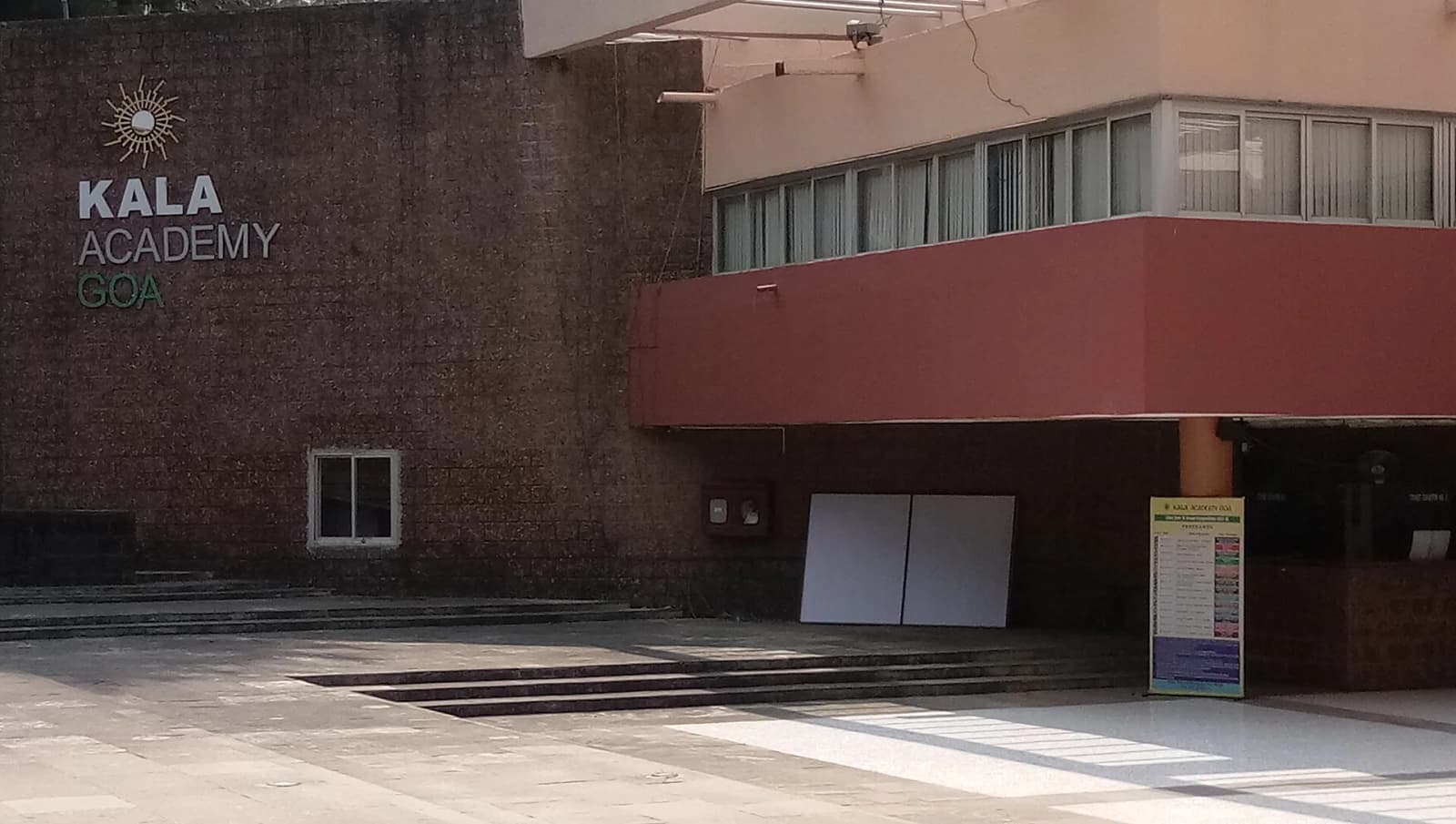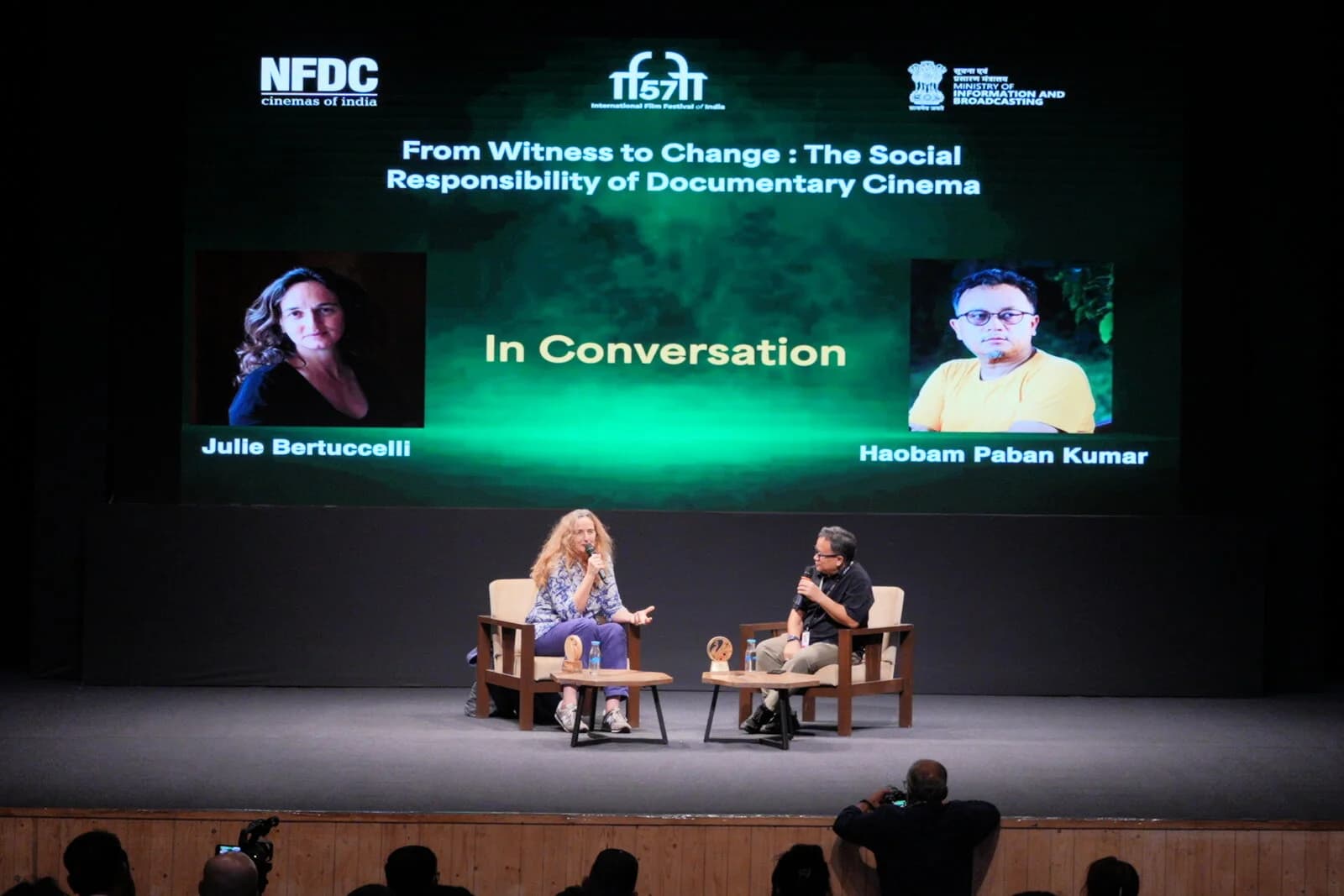
French filmmaker and screenwriter Julie Bertuccelli said documentary filmmaking is an intimate process that carries real responsibility towards the people on screen, at an In-Conversation session at Kala Academy in Panaji, Goa, during the 57th International Film Festival of India (IFFI), the Press Information Bureau (PIB) reported on 21 November 2026. She spoke with National Award-winning Indian filmmaker Haobam Paban Kumar in a session titled 'From Witness to Change: The Social Responsibility of Documentary Cinema'.
What did Bertuccelli say about filming real lives?
Bertuccelli said the biggest duty of a documentary maker is to earn and keep the trust of the people being filmed, because a film can deeply affect its subjects' lives and, in some cases, even put them at risk. According to the PIB account of the session, she stressed spending time with communities and letting people grow comfortable with the camera, adding that watching people in their everyday surroundings helps a filmmaker understand how they see themselves and how they want society to see them.
On whether cinema can change society, she said films do not transform the world overnight but can shift how individuals think. "If I just put a little bit of a seed in the brain of some people, this is a lot," she said, adding that she prefers films that offer hope and show positive examples.
Advice for a young filmmaker
Asked by a young filmmaker how to document sensitive issues such as untouchability and patriarchy in his village, Bertuccelli said sustained engagement mattered most. Filmmakers, she said, must show genuine interest in the communities they film and explain clearly why they are making the film.
Describing her own process, she said documentary ideas often come from chance encounters, places or subjects that spark curiosity, citing her films School of Babel and Since Otar Left. Scripts and proposals are usually needed to raise money, she noted, but the shoot itself has to stay open to the unpredictability of real life.
She also recalled spending nearly 15 years as an assistant to directors including Krzysztof Kieślowski, Rithy Panh and Bertrand Tavernier, work that took her to countries such as Russia, Georgia and Cambodia.
Why does she worry about AI?
Bertuccelli said the growing use of artificial intelligence raises concerns about creativity, copyright and environmental costs, particularly the water and electricity it consumes. She warned that leaning too heavily on AI could weaken human memory, independent thinking and creative authenticity, and argued that documentary cinema captures what AI cannot copy: the spontaneous emotions, silences, gestures and imperfections of real human interaction.
A Paris retrospective of Indian documentaries
Comparing systems, Bertuccelli described France's institutional support for documentaries, including the share of cinema ticket revenue that goes towards film financing and protected theatrical release windows. She said preparations were under way for a retrospective of Indian documentaries in Paris in the coming years, citing India's rich documentary tradition. No dates or titles for the retrospective were announced at the session.
Why it matters
The conversation comes in a year when IFFI has given non-fiction more room: festival director Ashutosh Gowariker had announced new Animation, Documentary and Films about Films sections for the 2026 edition. The 57th IFFI runs in Goa until 28 November 2026.
Photo source · Press Information Bureau (PIB)