Jammu and Kashmir's Department of Archives, Archaeology and Museums held a series of lectures on protecting the Union Territory's tangible cultural heritage at Kala Kendra, Bikram Chowk, in Jammu on Friday, 20 November 2026, the second day of its World Heritage Week programme. The week began on 19 November with an exhibition of rare archival documents, manuscripts and royal albums, and runs until 25 November.
Who spoke, and what did they say?
The speakers were Dr Shruti Awasthi, Director at the Indira Gandhi National Centre for the Arts (IGNCA); Arvind Kotwal, a retired Jammu and Kashmir Administrative Service officer who coordinates tourism for the Jammu chapter of the Indian National Trust for Art and Cultural Heritage (INTACH); and Prof. Ajay Khajuria, Professor of Practice at the Model Institute of Engineering and Technology (MIET), Jammu, according to a report in Kashmir Images.
Their talks covered historic monuments, buildings, archaeological remains, traditional art forms and material culture, with a focus on conservation, handing heritage on to the next generation, and the part that communities and institutions play in protecting cultural identity.
Dr Pranjal J. Hazarika, Director of Archives, Archaeology and Museums, J&K, said the region's cultural heritage was "an important component of its identity and collective memory", and called for "sustained institutional efforts, public awareness and participation of different stakeholders" to preserve it.
What is in the archival exhibition?
The opening-day exhibition at the Archives Repository in Kala Kendra was inaugurated by Ramesh Kumar, Secretary of the Culture Department, Kashmir Reader reported. It draws on the department's own holdings, including rare documents, manuscripts and royal albums that trace the administrative, cultural and artistic history of the former princely state of Jammu and Kashmir.
Alongside it, the department ran a demonstration of conservation techniques and a workshop on how historical records and manuscripts are preserved. Students, historians, research scholars and members of the public attended.
Why it matters
World Heritage Week is observed across India from 19 to 25 November to raise awareness of monuments and historical records; the Archaeological Survey of India marked the first day this year by waiving entry fees at all its protected monuments. Jammu's programme puts the emphasis on archives and paper records, which are harder for the public to see than forts and temples, and on getting students involved. The Culture Ministry has also been trying to make such collections easier to find online through its new Sanskriti AI search tool.
What happens next?
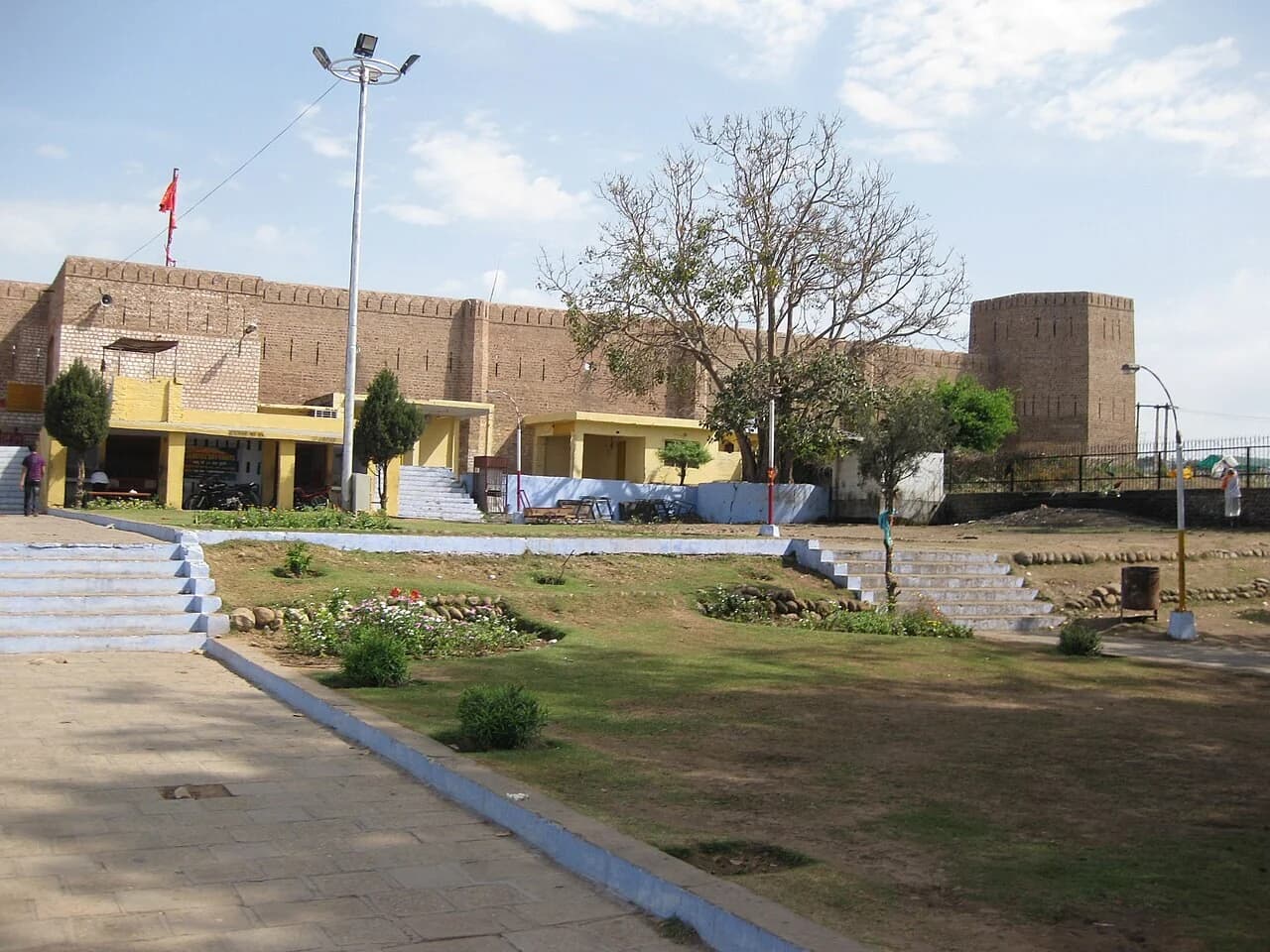
According to Dr Hazarika, the rest of the week includes a heritage walk for students, a cleanliness drive at Bahu Fort, more lectures, a visit for children with special needs, heritage visits, interactive programmes and cultural events. The department has not published dates for each activity; the programme ends on 25 November.
Photo source · Nvvchar, CC BY-SA 3.0