The Jammu and Kashmir government used the 57th International Film Festival of India (IFFI) in Goa on 23 November 2026 to pitch the Union Territory as a shooting destination for film and web productions. The Department of Information and Public Relations (DIPR), Jammu and Kashmir, hosted a panel titled "Jammu and Kashmir: An Emerging Destination for Cinema", at which officials and filmmakers presented the region's film policy, locations and local talent to producers and industry representatives.
The session featured Mamta Yadav, Director of DIPR Jammu and Kashmir, actor Mir Sarwar and filmmakers Rahat Kazmi and Kapil Mattu, according to a report in Greater Kashmir.
What did J&K officials tell filmmakers in Goa?
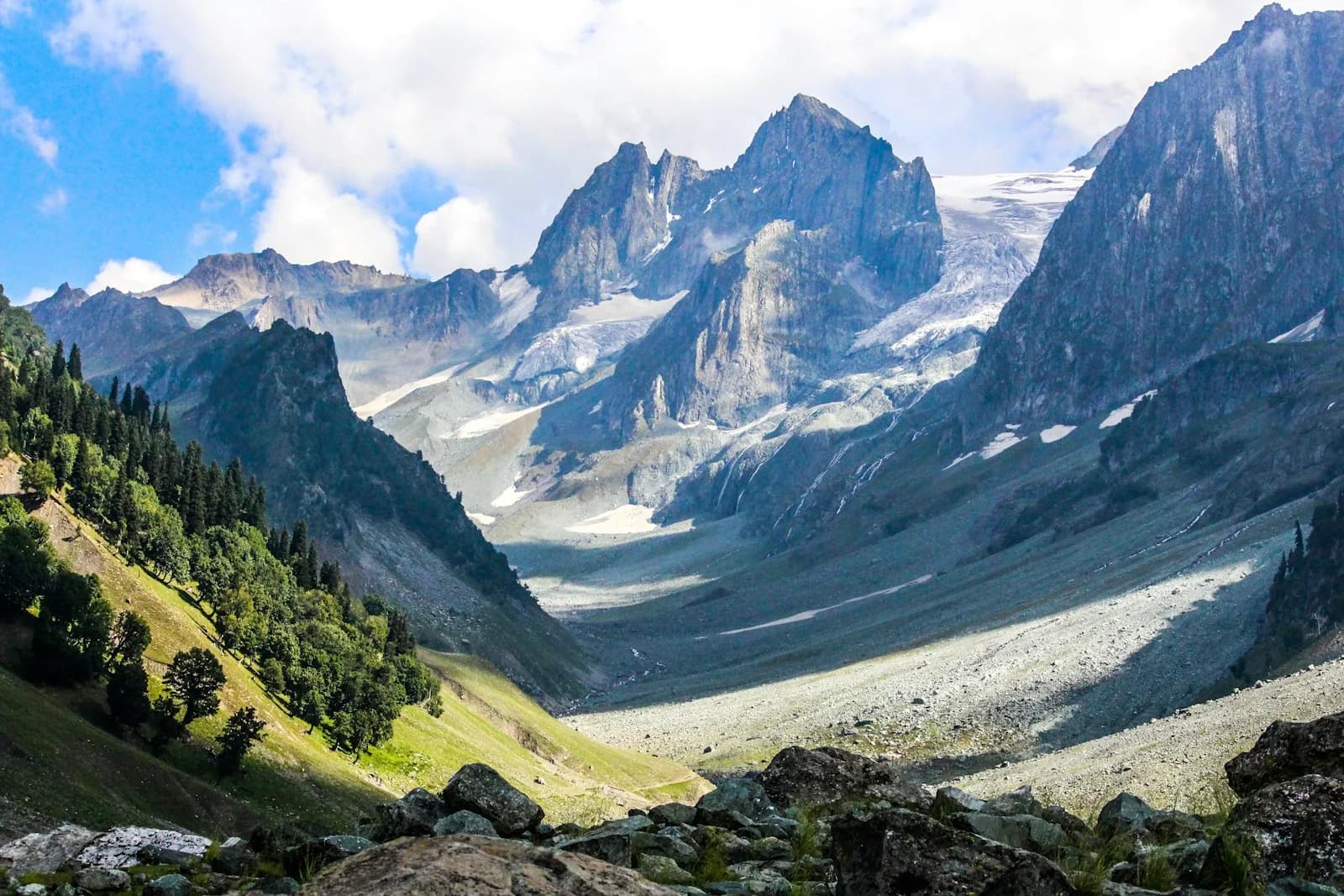
Ms Yadav outlined the Jammu and Kashmir Film Policy and the administration's plans to make film production easier, attract investment and strengthen the local film ecosystem, the reports said. She spoke about streamlining shooting permissions, promoting film tourism and encouraging production houses from India and abroad to shoot in the Union Territory, and said the region's valleys, snow-covered mountains, lakes and heritage sites offer a wide range of filming options.
She also stressed the need for coordination among government departments, production houses, technical professionals and local stakeholders, so that productions create work for local artists, technicians and service providers.
What did the filmmakers say?
Mir Sarwar, Rahat Kazmi and Kapil Mattu shared their experience of shooting in Jammu and Kashmir, pointing to its varied locations and talented local artists, and to the scope for more productions in the region. The panel discussed the need for sustained institutional support, better facilitation on the ground and closer collaboration between the government and the film industry, with the aim of attracting larger productions and connecting local talent with national and international platforms. Kapil Mattu specifically called for institutional support and stronger government-industry collaboration, Greater Kashmir reported.
What does the J&K Film Policy offer?
The current framework is the Jammu and Kashmir Film Policy-2024, which the Union Territory's Administrative Council approved in March 2024, replacing the 2021 policy. As reported by The Tribune at the time, the policy created a Film Development Fund of Rs 500 crore to be spent over five years, with an annual grant of Rs 100 crore from 2024-25. A project must shoot in Jammu and Kashmir for at least 20 days to qualify for a subsidy, and a single-window cell was set up to process shooting permissions. The maximum subsidy for films in the Union Territory's regional languages was set at Rs 1.25 crore.
The 2026 reports from Goa did not include any new incentive figures or announce changes to the policy.
Why it matters
The administration wants film shoots to translate into steady work for local crews and more visitors, the goals DIPR set out for its IFFI participation. IFFI, which brings together producers, distributors and state film bodies, has become a venue for states and Union Territories to market locations and incentives. At the same festival, Goa's own filmmakers recently debated whether the state should build film infrastructure, while a documentary on Kashmiri woodcarver Ghulam Nabi Dar was also screened.
DIPR said its participation was aimed at showcasing the region's cinematic potential and placing it more firmly on the national and international film map. Whether the outreach brings in more shoots will depend on how quickly permissions and subsidies are processed on the ground, the issue the visiting filmmakers raised in Goa.