The Centre's rural drinking water programme is shifting its focus from laying pipes to keeping water flowing, officials said on Saturday, 14 November 2026, as the first regional conference on Jal Jeevan Mission (JJM) 2.0 ended in Tiruchirappalli, Tamil Nadu. The Ministry of Jal Shakti said the two-day meeting combined policy sessions with village visits where water supply schemes were formally handed over to Gram Panchayats.
From tap connections to reliable service
Addressing the closing session, Ashok K. K. Meena, Secretary of the Department of Drinking Water and Sanitation (DDWS), said JJM 2.0 aims to go beyond household tap connections and ensure regular, reliable and safe drinking water, with a long-term goal of round-the-clock potable supply straight from household taps, according to the ministry.
He said the handover of village water infrastructure, known as Jal Arpan, should be treated as the start of a lasting partnership between the state government, the implementing department and the Gram Panchayat rather than a ceremony. He also said panchayats would need continued technical support, training and capacity building to run the services, and urged states to use the mission's Decision Support System to plan rainwater harvesting, groundwater recharge and other steps to keep water sources sustainable amid growing water stress.
Officials drink from village taps
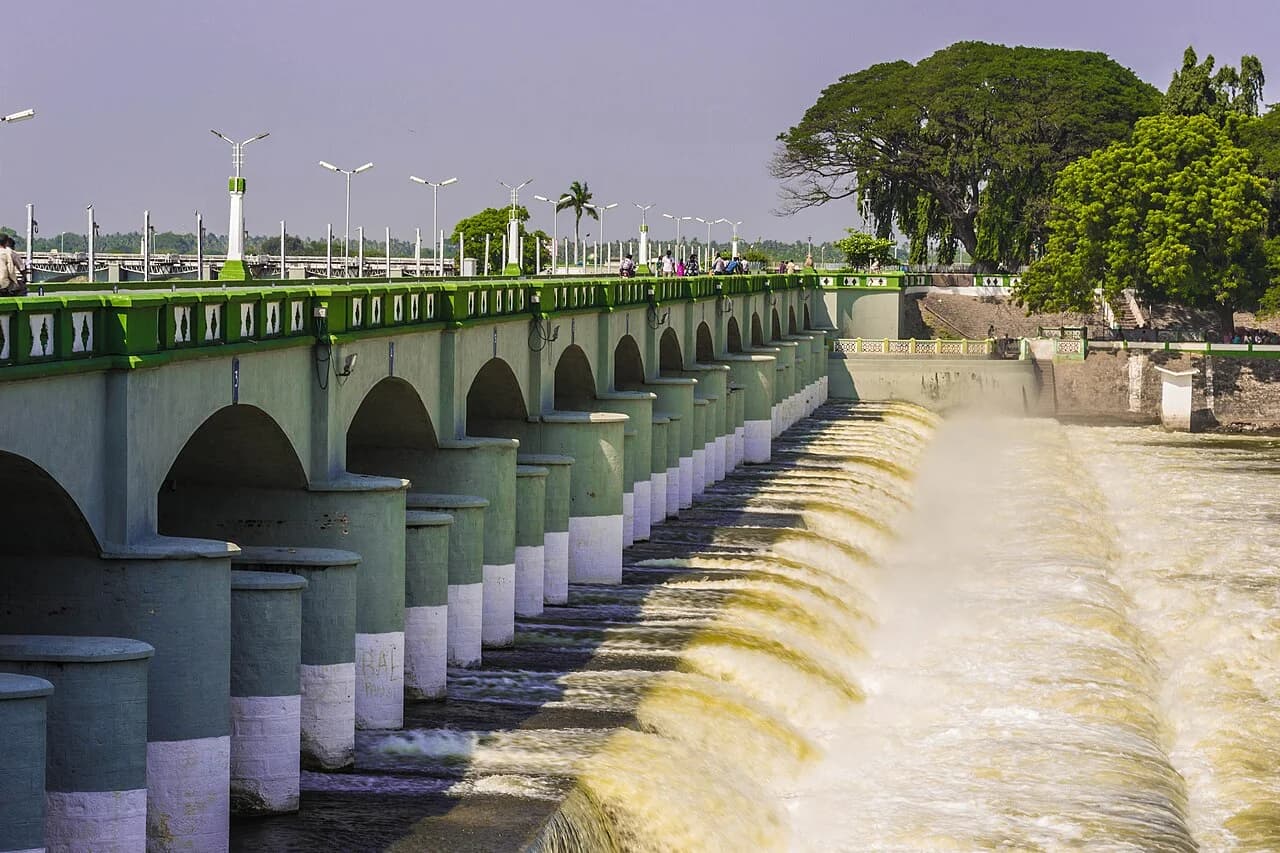
The second day began at the historic Grand Anicut (Kallanai) on the Cauvery, followed by a visit to riverbed collector wells and headworks at Vadugakudi. Meena then joined Jal Arpan Diwas celebrations at Palamaneri village, where members of the Village Water and Sanitation Committee told him how tap connections had changed their daily lives and women from a Sujalam Shakti group demonstrated water testing with field test kits, the ministry said.
Kamal Kishore Soan, Additional Secretary and Mission Director of the National Jal Jeevan Mission, drank water directly from a household tap during the village visit and encouraged officials to do the same on field trips to build public trust in rural water quality. Meena made a similar suggestion in his address.
Five teams of senior officials and state representatives visited headworks at Vadugakudi, Thiruchinampoondi, Thindukarai, Nochiyam and Keelaanbil, and attended handover events in Palamaneri, Ambedkar Nagar, Theeranmanagar, Ayyampalayam and Puthu Uthamanur. The events included water-testing demonstrations, community pledges and the handover of scheme documents and as-built drawings to panchayats.
Reforms under JJM 2.0
Summing up the conference, DDWS Joint Secretary D. Senthil Pandian listed the reforms states are expected to deliver: institutional accountability, formal handover of assets to panchayats, operation and maintenance policies, training for village water committees, dedicated District Technical Units, water quality monitoring, digital mapping through the Sujalam Bharat platform and source sustainability planning. He said the department had held consultations with the ministries of Panchayati Raj, Skill Development, Tribal Affairs and Rural Development after a departmental summit in September 2026 to improve coordination on financing, skilling and tribal drinking water coverage.
Seven states and Union Territories took part in the Tiruchirappalli meeting. On the opening day, Union Jal Shakti Minister C. R. Paatil called for faster completion of remaining works and for key structural reforms to be put into operation, the ministry said.
What comes next
The Tiruchirappalli meeting is the first of five regional conferences planned as part of a structured review. Pandian urged states to meet the reform timelines they have committed to ahead of a proposed national-level review in February 2027.
The test for the mission's second phase will be whether villages that now have taps receive water that is regular and safe, and whether panchayats have the money and skills to keep their systems running.