An old iron safe dug out of the grounds of Indore's Lalbagh Palace has drawn two rival ownership claims, and Madhya Pradesh's State Archaeology Department now plans to open it only in front of the claimants, with the whole process on video, according to reports published in Indore on 19 November 2026. Nobody has a key, the handle is broken and the box has no visible keyhole, Amar Ujala reported.
What was found, and where?
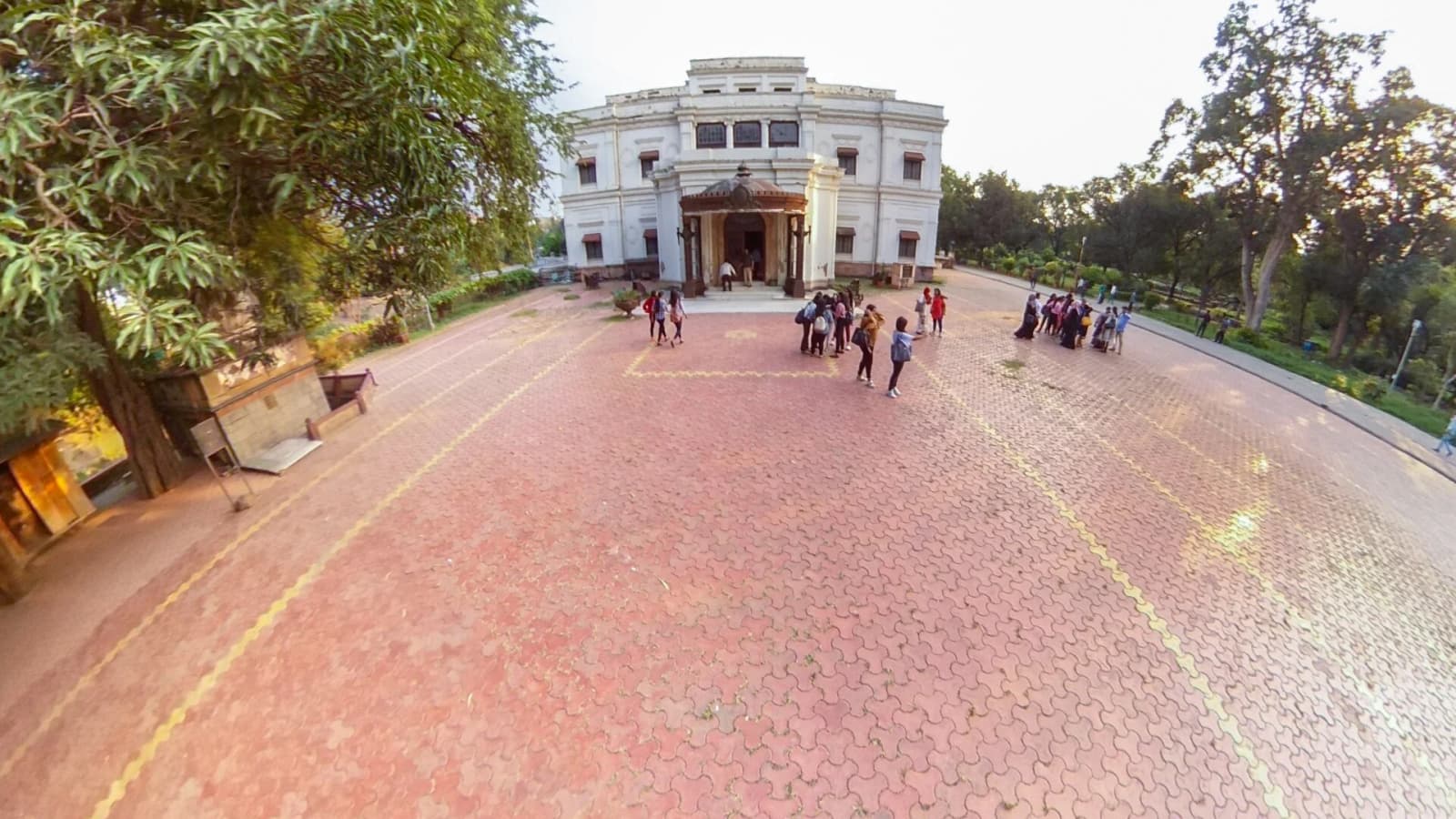
Workers came across the heavy box on Tuesday, 17 November 2026, while digging during development work on the Lalbagh Palace complex, the former residence of Indore's Holkar rulers, the news agency Bhasha reported. The work is being carried out by an agency of the state Tourism Department as part of a larger project. Free Press Journal said the safe surfaced during construction of a pathway after a tin shed was removed.
K.L. Dabhi, Deputy Director of the State Archaeology Department, told reporters the object "is not recorded in our government records" and that its age was a matter for investigation, according to Bhasha. Local history researcher Zafar Ansari told the agency that the palace was built between 1886 and 1926 by three generations of Holkar rulers.
How heavy is it?
Reports do not agree. Amar Ujala and Webdunia put the weight at about 100 kg. MP Breaking News said it weighed more than a tonne, and eyewitnesses quoted by Bhasha said officials had to use an earthmover to shift it to a safe spot inside the complex. Much of its surface is rusted and caked with soil.
Who is claiming it?
Vandana Soni, who lives on the Lalbagh premises, says the safe belongs to her family. Amar Ujala and Webdunia reported her saying it is more than 50 years old and was once kept at her family's ancestral home in Guna before they moved to Indore. MP Breaking News quoted her describing it as the ancestral property of her mother, Manorama Soni, and said she had no ownership documents but had a video of the safe being moved. She has not yet given a written claim or proof to archaeology officials, the reports said. Mr Dabhi told MP Breaking News the department was not aware of her claim and that she would have to come to its office with evidence.
The Khasgi Trust has also written to the archaeology department claiming the safe and asking that it be opened in the presence of its office-bearers. The trust hopes it may hold material or documents from the royal family, according to Amar Ujala.
What happens next?
The safe was expected to be opened on Wednesday, 18 November, but the department put that off, MP Breaking News reported. Officials now plan to have experts clean it with chemicals first, to remove rust and soil and look for markings that could point to its owner. A new key is to be made, and the box will be opened under the rules, in front of the claimants, and videographed. No date has been announced. MP Breaking News also reported that the department intends to display the safe at Rajwada in future.
Are there other safes like it?
Yes. About 11 similar cast-iron chests, each weighing several hundred kilograms, are already kept by the State Archaeology Department behind the ticket counter at Rajwada, the Holkars' historic palace in the old city, Free Press Journal reported. Officials told the paper they were left behind when the district treasury, which once worked from Rajwada, moved out, and that such chests were used to store cash and important papers. Opinion is divided on whether the Lalbagh safe dates from the Holkar era or belonged to the British-era treasury.
What is confirmed and what is not
Confirmed: the safe was found on 17 November, it is in the archaeology department's custody, and two parties have claimed it. Not confirmed: its age, its weight, its contents and whether it has any link to the Holkar household. Those questions are likely to be settled only after the department opens it.
Photo source · Amit Nimade, CC BY-SA 4.0