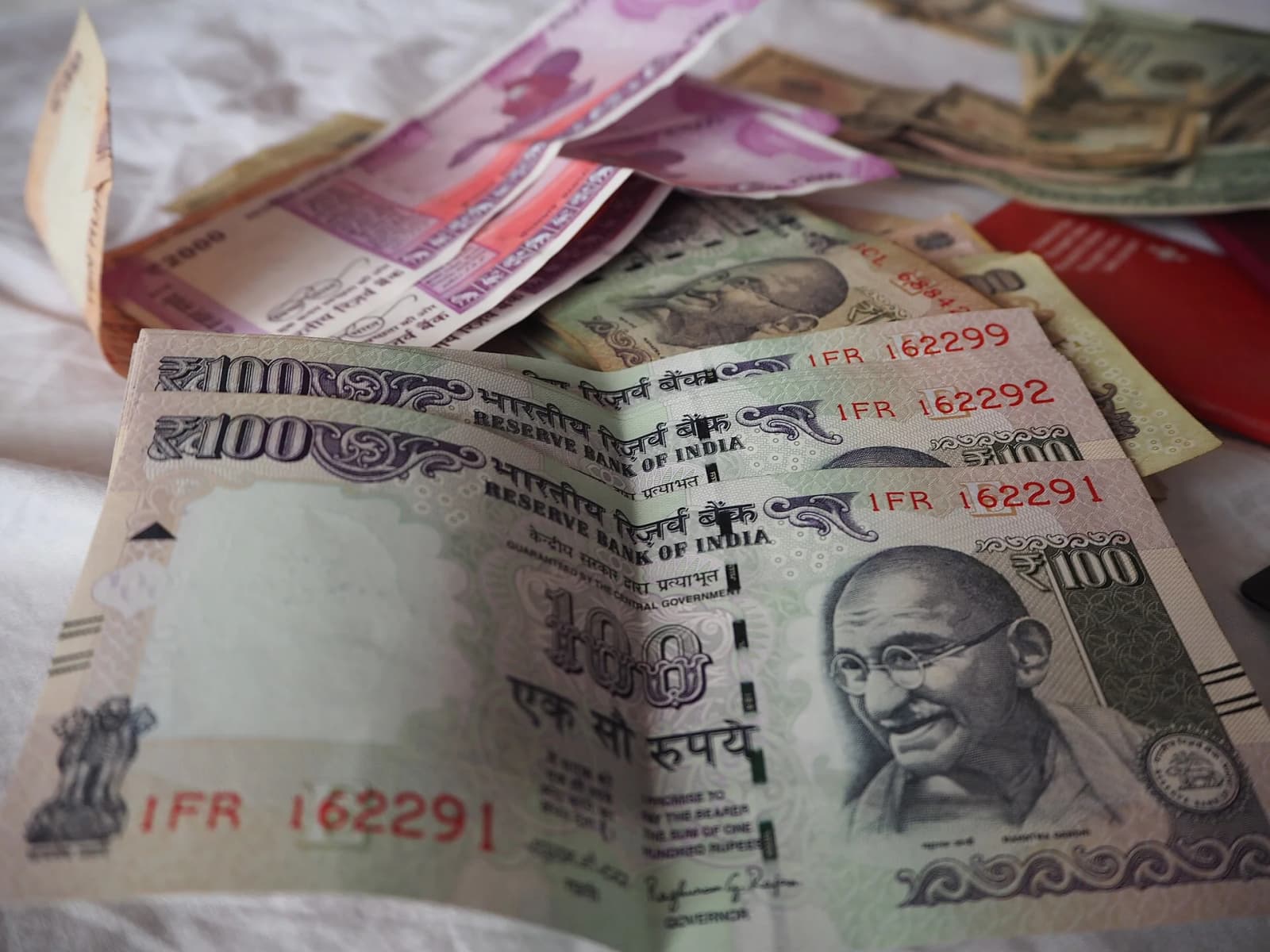
The Economic Offences Wing (EOW) in Indore arrested a woman panchayat secretary on Saturday, 14 November, as she allegedly accepted ₹12,000 from a villager. The money was reportedly the price of her signature on a licence the villager needed to start a business.
The accused, Shyama Sahu, is secretary of the Asrawad Buzurg gram panchayat in Indore district. A case has been registered against her under Section 7 of the Prevention of Corruption Act, and the investigation is continuing.
₹15,000 demanded, ₹12,000 handed over
The complainant, Anokhi Gawaliya of Renuka Tekri in Asrawad Buzurg, had applied to the panchayat for a licence to run a business in the village. According to reports in the Free Press Journal and Patrika, the licence could not go ahead without the secretary's signature, and Sahu allegedly asked for ₹15,000 to sign it.
Instead of paying, Gawaliya complained to the EOW in Indore. Patrika reported that the complaint was filed a few days before the trap, and that the agency then set up a special team to catch the official in the act.
How the trap was laid
EOW officials first checked whether the allegation held up and collected evidence before planning the operation. On Saturday, Gawaliya went to meet Sahu with ₹12,000, cash that Patrika said the EOW team had arranged for the handover. The meeting took place at a Nayara petrol pump near 7 Mile in Asrawad Buzurg.
Once the money changed hands, the complainant gave a pre-arranged signal to the officers waiting nearby. They moved in and detained Sahu with the cash, according to both reports. Officials said they also gathered technical and digital evidence of the bribe being demanded and accepted.
The team was led by Deputy Superintendents of Police Nandini Sharma and Yogendra Singh Sisodia, along with Inspectors Kailash Chandra Patidar and Amod Singh Rathore.
Why it matters
For people in villages, the gram panchayat is often the first and only office they deal with to start a small business or get basic permissions. When a signature on such a document comes with a price tag, it hits the very residents least able to pay. This case shows that a complaint backed by evidence can lead to quick action.
What happens next
The EOW will now take the investigation forward under the anti-corruption law. Being caught in a trap is not a conviction: the allegations against Sahu will have to be proved in court. No statement from the accused had been reported at the time of writing.