
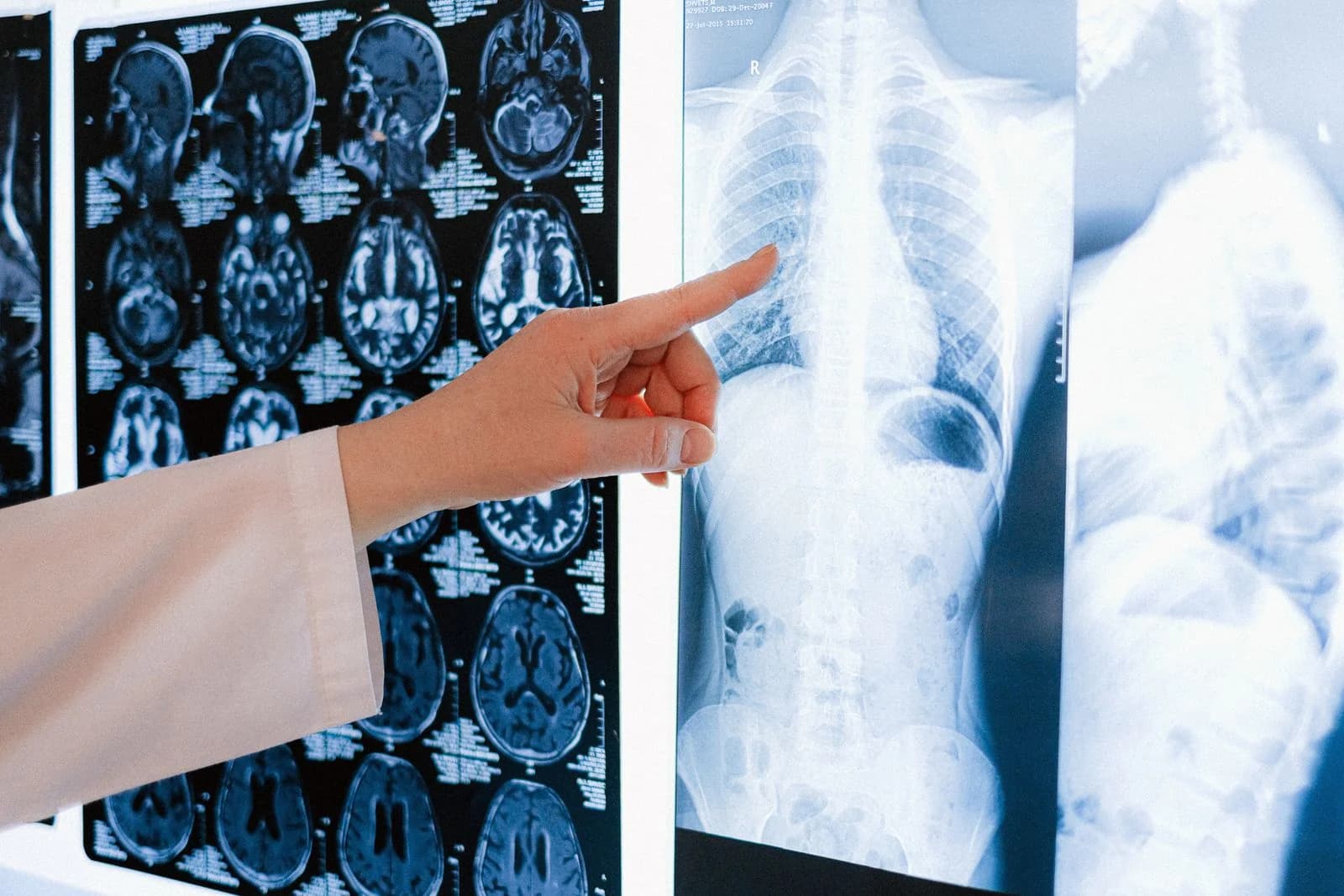
India's estimated tuberculosis (TB) death rate fell by 38% between 2015 and 2025, according to the World Health Organization's Global Tuberculosis Report 2026, the Union Health Ministry said. The ministry said the global decline over the same period was 35%.
The report, released on 12 November, puts India's estimated TB mortality at 18 deaths per lakh population in 2025, down from 28 per lakh in 2015. It also records a 94% treatment success rate among patients with drug-susceptible TB, the ministry said in releases issued on 12 and 13 November.
What the minister said
Union Health Minister J.P. Nadda described the results as encouraging and said the government remained committed to ensuring that "no TB patient is left behind". The ministry said the WHO's South-East Asia Regional Office had acknowledged India's role, quoting a social media post from the regional office: "India is making a significant contribution to the progress in reducing tuberculosis mortality in the WHO South-East Asia Region."
The ministry described the drop as India's highest-ever reduction in estimated TB mortality. It said the WHO estimate drew on several data sources, including the Registrar General of India's Sample Registration System, community-based verbal autopsy studies and programme data from the Ni-kshay portal.
Screening drive in numbers
The government credits much of the progress to the TB Mukt Bharat Abhiyaan, which began as a 100-day campaign on 7 December 2024 in 347 high-priority districts across 33 States and Union Territories and was later extended nationwide. A second intensified 100-day campaign started on 24 March 2026, focusing on 1.58 lakh high-risk villages and wards, congregate settings and vulnerable groups.
Between 7 December 2024 and 8 November 2026, according to the ministry:
- more than 25 crore people were brought under TB screening;
- over 11 crore chest X-rays and more than 3 crore nucleic acid amplification tests (NAAT) were carried out;
- 48.64 lakh new TB cases were found, including 14.97 lakh people who had no symptoms.
The ministry said finding nearly 15 lakh asymptomatic cases showed the value of active screening, since such people might otherwise go undiagnosed and continue to spread infection. It added that 67,933 panchayats were declared TB-free in 2025.
Technology, nutrition and funding
Portable AI-enabled digital X-ray machines, rapid molecular tests and the Ni-kshay digital platform for tracking patients are central to the programme, the ministry said. Patients receive nutrition support through the Ni-kshay Poshan Yojana, while the Ni-kshay Mitra initiative mobilises individuals and organisations to provide food and psychosocial support. TB screening is also being combined with checks for diabetes and undernutrition, conditions that raise the risk of the disease.
The ministry said 96% of the TB programme's funding needs are met from domestic resources.
What is still pending
The figures announced so far concern deaths and treatment outcomes. The ministry said a nationally representative TB prevalence survey conducted by ICMR's National Institute for Research in Tuberculosis in 2025 has been shared with the WHO and is under technical discussion, after which the WHO will publish an updated country profile for India. That update is likely to give a clearer picture of how many people in India currently have the disease.
Why it matters
India has the world's largest number of TB cases, so its progress weighs heavily on global figures. A falling death rate and high cure rate suggest that earlier diagnosis and treatment are reaching more patients. The government has set itself the goal of a "TB-Mukt Bharat", and the coming prevalence data will be an important test of how close the country is to that target.