India has doubled its rice sale target through electronic auctions under the Open Market Sale Scheme (Domestic) for 2026–27 to 50 lakh metric tonnes. The decision, announced on November 6, accompanies nationwide stock reporting requirements and permission for five southern states to introduce stock limits where needed.
The Ministry of Consumer Affairs, Food and Public Distribution said in its November 6 statement published by the Press Information Bureau that the earlier annual target was 25 lakh tonnes. It reported that 25 lakh tonnes had already been sold to private parties through OMSS (D) e-auctions up to October 31, compared with 11 lakh tonnes in the corresponding period of the previous financial year.
Weekly disclosure of rice and paddy stocks
An order dated November 6 requires traders and wholesalers, retailers, large retail chains, processors and millers across states and Union Territories to declare rice and paddy stocks. Stock positions must be updated every Friday on the government's Food Stock Portal.
The six reporting categories are basmati rice, non-basmati premium rice, non-basmati rice, parboiled rice, broken rice and paddy. These are the categories for stock disclosure; the announcement does not identify them as auction grades.
The ministry said entities that are not registered on the portal, or that breach prescribed stock limits, could face action under Sections 6 and 7 of the Essential Commodities Act, 1955.
Five states can introduce stock limits
The Centre has conveyed its concurrence to Andhra Pradesh, Karnataka, Kerala, Tamil Nadu and Telangana to impose limits on rice and paddy stocks through state control orders wherever considered necessary. The announced period for such limits runs up to January 31, 2027.
The statement establishes permission for those states to act. It does not establish that all five have issued their own orders, or specify the quantity each type of business would be allowed to hold.
Additional Bharat Rice allocation
The government also announced additional Bharat Rice allocations to NAFED, NCCF and Kendriya Bhandar, with an emphasis on expanding availability in southern states. The agencies were asked to explore more distribution channels. The release does not state the additional allocation's quantity or a new retail price.
The ministry describes the measures as an effort to improve supply, discourage hoarding and stabilise prices. It provides no evidence of a resulting change in retail prices. For consumers, the announcement therefore signals a supply intervention rather than a confirmed price cut; for businesses, the immediate operational requirement is accurate weekly stock disclosure.
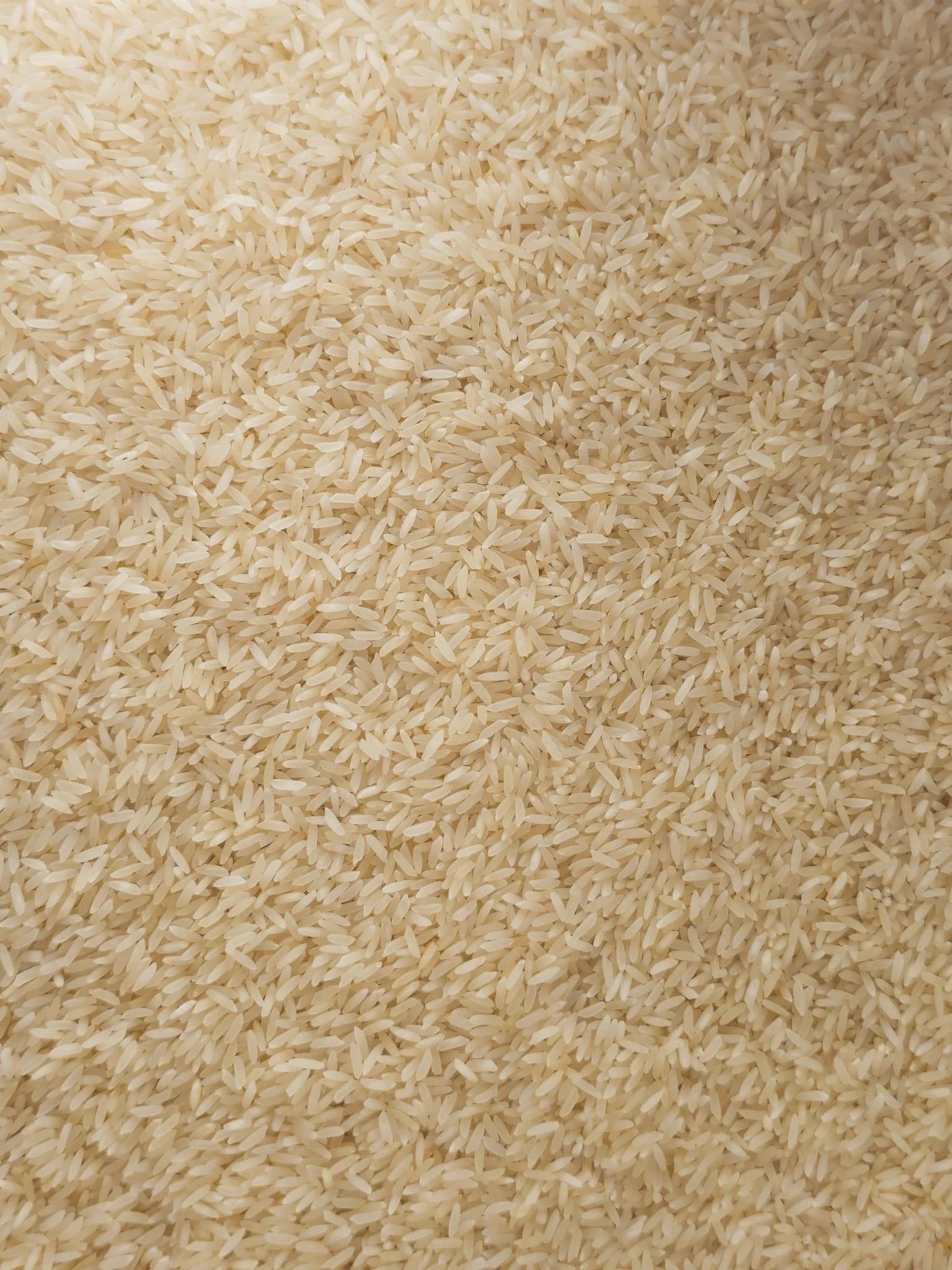
Rice grains, illustrative photograph. This is not a photograph of the announced auctions or government stocks. Photo: Bigul Malayi / WordPress Photo Directory (CC0).