India's retail inflation climbed to 6.09% in October, pushing above the Reserve Bank of India's (RBI) 6% upper tolerance limit for the first time in two years and strengthening the case for another interest-rate increase next month. Provisional data released by the Ministry of Statistics and Programme Implementation (MoSPI) on Thursday, 12 November, showed consumer price inflation rising from 5.54% in September, driven largely by food.
Food inflation, measured by the Consumer Food Price Index, jumped to 8.94% from 7.74% a month earlier.
Food prices lead the rise
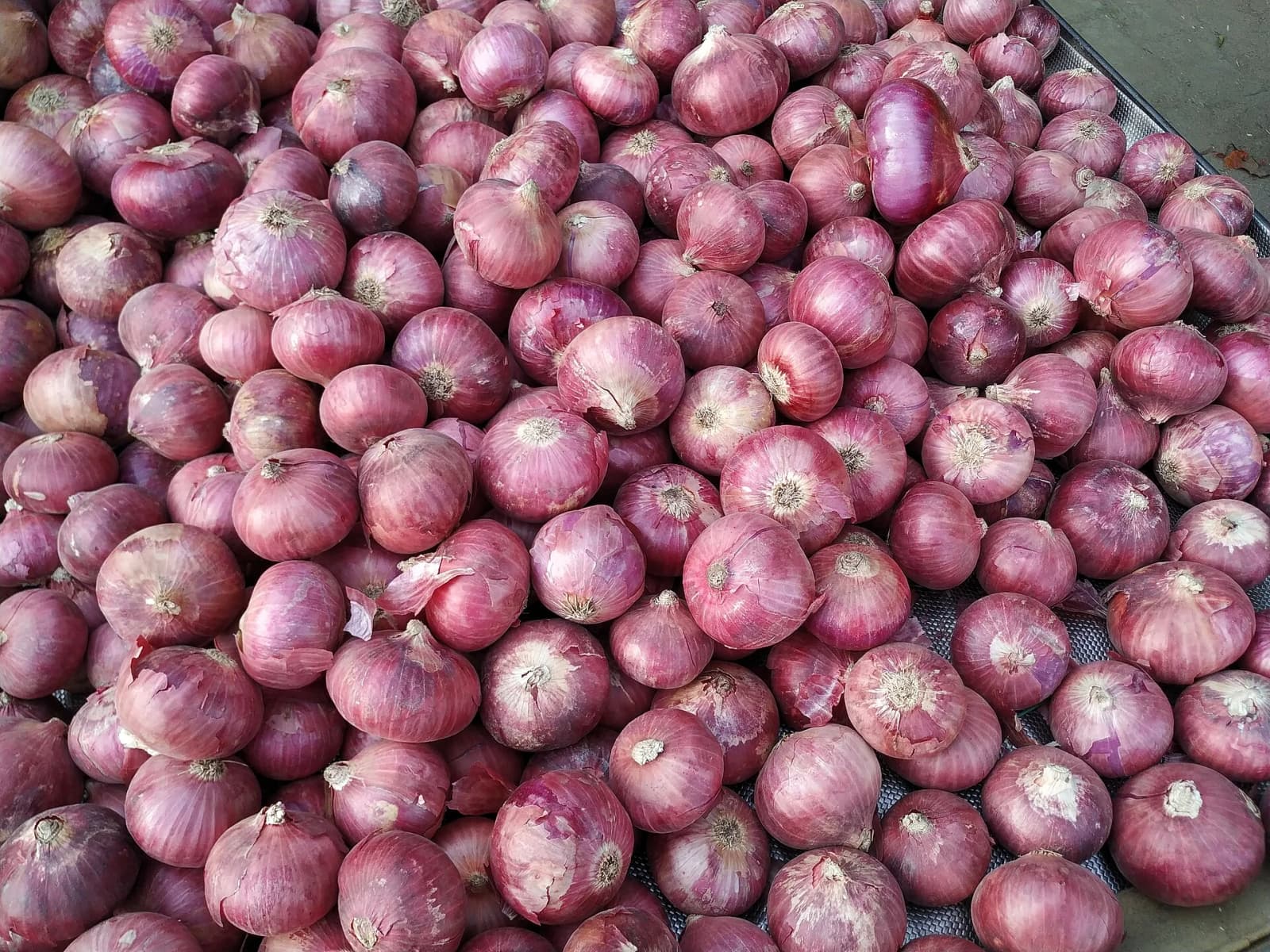
Kitchen staples accounted for the sharpest increases. Onion prices were 116.22% higher than a year earlier, according to the official data as reported by PTI, followed by garlic at 60.74%, silver jewellery at 52.39%, ginger at 48.32% and lemon at 47.30%.
The broader food and beverages group, which makes up 36.75% of the CPI basket, recorded inflation of 8.51% in October against 7.36% in September, ThePrint reported in its analysis of the MoSPI figures. Among other groups, restaurants and accommodation saw prices rise 10.06%, according to IANS.
Villages feel it more
Price pressure remains stronger in rural India. Rural inflation stood at 6.63% in October, compared with 5.41% in urban areas. Food inflation was 9.09% in villages and 8.68% in towns and cities.
According to ThePrint's analysis, rural inflation has been higher than urban inflation every month since February, and the gap has widened steadily through the year. Headline inflation itself has risen from 2.74% in January, making October's reading the highest of 2026 so far.
There is one less worrying signal in the data. Month-on-month, prices rose 0.51% between September and October, slower than in each of the previous four months. The annual figure still climbed because prices had barely moved in October last year, leaving a weak base for comparison.
What it means for interest rates
The RBI's mandate is to keep CPI inflation at 4%, within a band of 2% to 6%. A single month above 6% does not amount to a formal failure to meet that target; that happens only if average inflation stays outside the band for three consecutive quarters.
But the figure lands just ahead of the Monetary Policy Committee's (MPC) meeting on 2-4 December. On 7 October, the MPC voted unanimously to raise the repo rate by 25 basis points to 5.50% and shifted its stance to "calibrated tightening". In its resolution, the committee said rate cuts were off the table in the near term and that its next move could only be a hike or a pause. It cited a deficient south-west monsoon, El Niño conditions and high energy prices as sources of inflation risk, and projected CPI inflation at 6.0% for the October-December quarter.
Economists read Thursday's data as pointing towards another hike. ICRA chief economist Aditi Nayar said in a statement that a further 25-basis-point increase in December appears almost certain and that she expects inflation to stay above 6% for the next couple of months, ThePrint reported. Radhika Rao, senior economist at DBS Bank, said the numbers reinforced her expectation of a second successive rate increase, according to IANS.
Why it matters for households
Higher food prices hit lower-income and rural families hardest, since food takes up a larger share of their spending. A further repo rate increase would also feed through to loan rates, making home, car and business borrowing costlier, though it could lift returns on fixed deposits.
What to watch next
Nayar has flagged milk, sugar and onion prices as likely to keep food inflation above 8% in November, and warned that weak reservoir levels could weigh on the coming rabi crop. The RBI's policy announcement after the 2-4 December meeting, along with November's inflation data due next month, will show whether the central bank's tightening is starting to work.
PS · Ravi Dwivedi, CC BY-SA 4.0