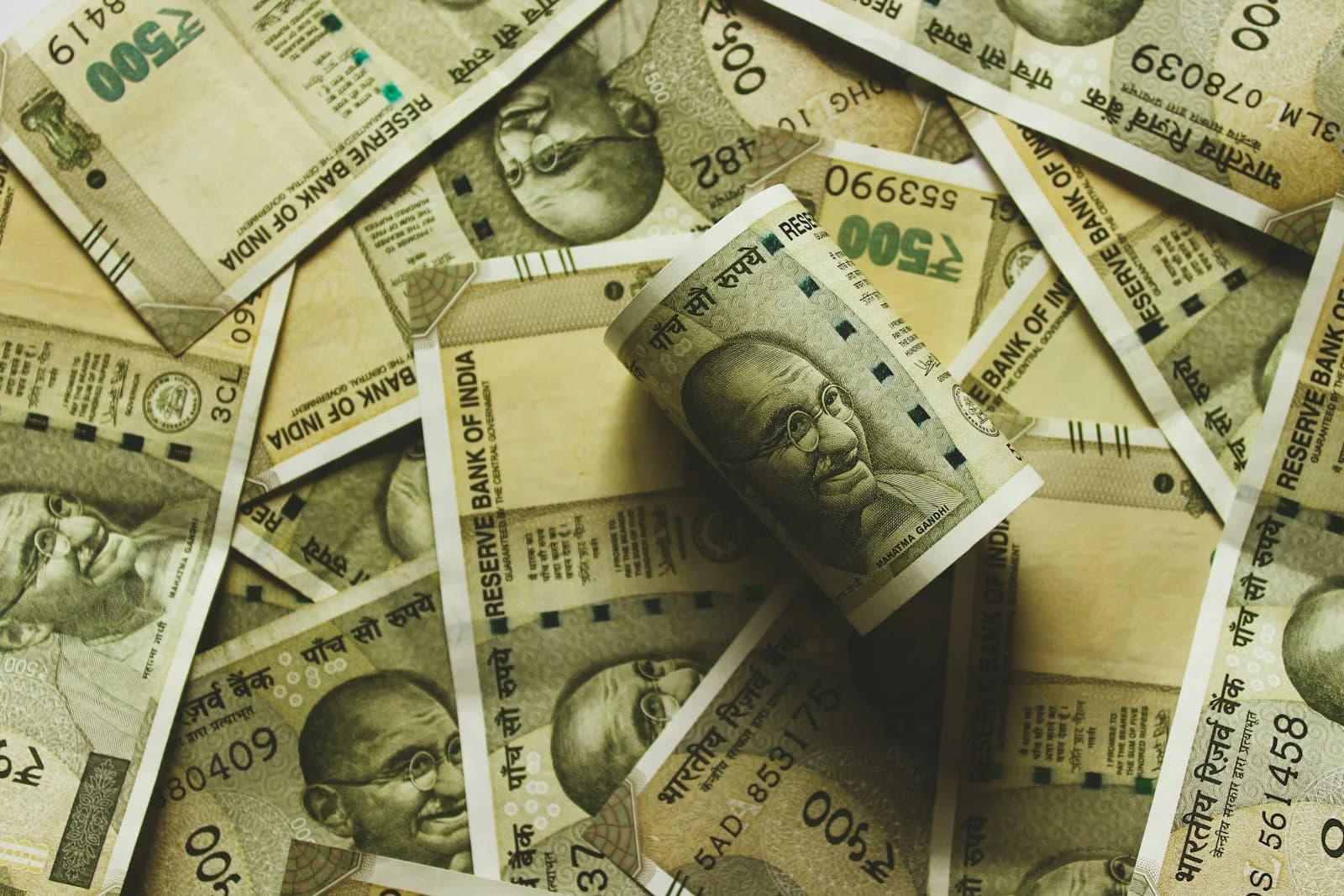
India's foreign exchange reserves fell by $4.44 billion to $700.90 billion in the week ended 20 November 2026, with a drop of more than $4 billion in the value of gold holdings accounting for almost the entire decline, according to the Reserve Bank of India's Weekly Statistical Supplement released in Mumbai on 27 November 2026.
The reserves had stood at about $705.3 billion a week earlier. Despite the weekly fall, the total remains above the $700-billion mark and is higher than both at the end of March and a year ago.
Why did the reserves fall this week?
Mainly because gold holdings lost value. The RBI data show gold reserves at $94.52 billion, down $4.10 billion in the week. Foreign currency assets, the largest component, slipped only $266 million to $583.19 billion.
The two smaller components also edged lower. Special Drawing Rights (SDRs) declined $67 million to $18.45 billion, while India's reserve position with the International Monetary Fund fell $15 million to $4.74 billion. All India Radio reported the same figures.
The supplement reports values in dollar terms and does not separate the effect of price movements from changes in the quantity of gold held.
How do reserves compare with March and last year?
Total reserves were $9.79 billion higher than at the end of March 2026 and $12.79 billion above the level a year earlier, the RBI data show.
The composition has shifted over that period. Foreign currency assets have risen by $30.90 billion since end-March and by $22.59 billion year on year. Gold, by contrast, is $20.88 billion lower than at end-March and $9.66 billion lower than a year ago.
What the same release shows about bank lending
The supplement also carried banking data for the fortnight ended 15 November 2026. Aggregate deposits of scheduled commercial banks stood at about ₹280.47 lakh crore, up 16.4 per cent from a year earlier, while bank credit stood at about ₹231.12 lakh crore, up 19.3 per cent year on year.
In the financial year so far, deposits have grown 6.9 per cent and credit 8.2 per cent, according to the release. Within the fortnight itself, both deposits and credit dipped slightly, by 0.7 per cent and 0.3 per cent respectively.
Why it matters
Foreign exchange reserves are the central bank's buffer for meeting external payments and for steadying the rupee during periods of market stress. A decline driven largely by valuation of gold, while foreign currency assets stay broadly stable, points to a smaller change in the dollar holdings the RBI uses for market operations than the headline figure suggests.
The figures arrive in a busy week for the central bank, which on 27 November also reduced banks' daily cash reserve ratio maintenance requirement to 90 per cent from 99 per cent, effective 1 December.
What next
The RBI publishes reserve data weekly in its Weekly Statistical Supplement, and the next update will show whether the reserves hold above the $700-billion level in the week ended 27 November.