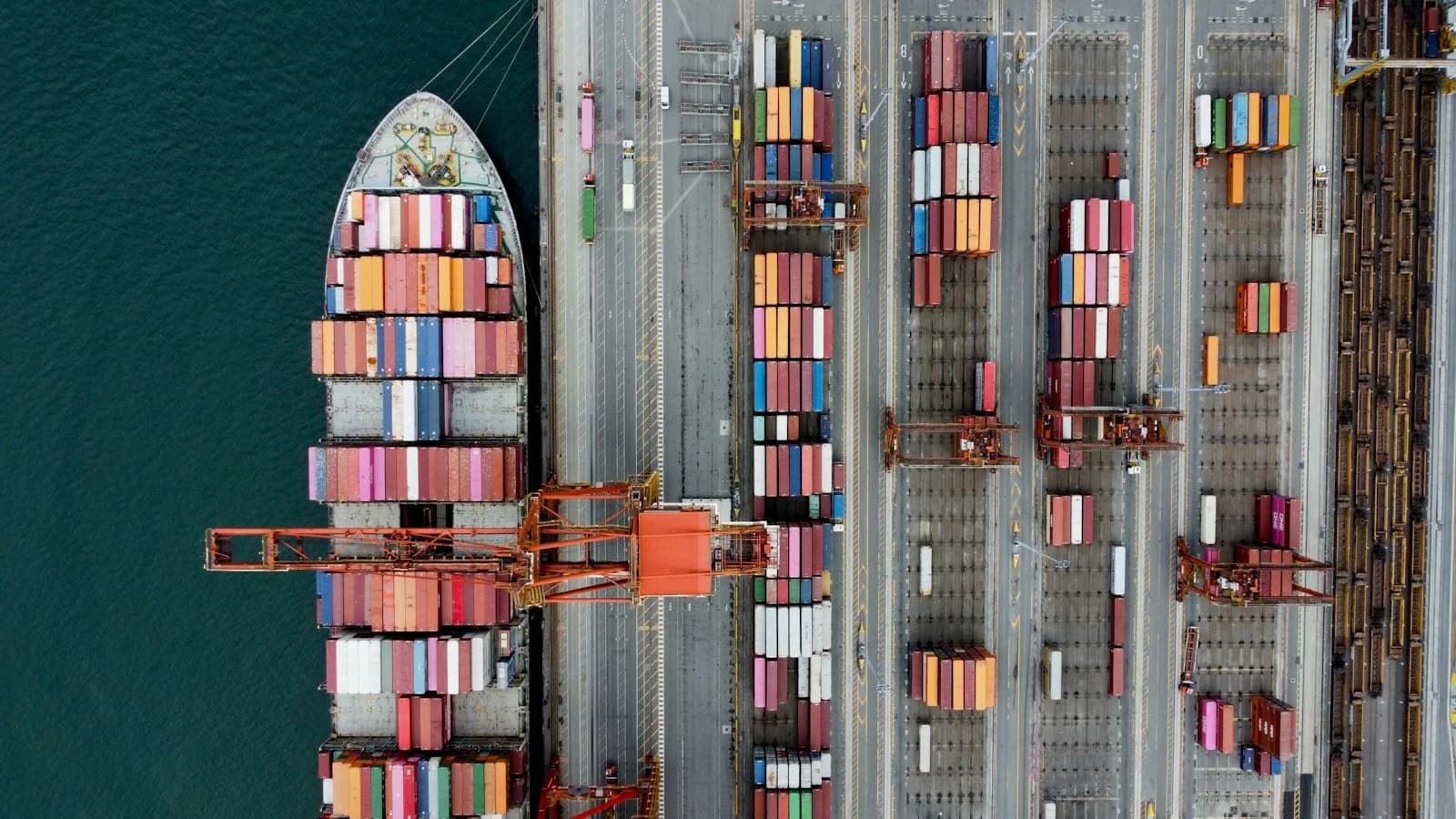
India's combined exports of goods and services rose 16.66% to an estimated US$ 568.84 billion in the first seven months of the 2026-27 financial year, according to a government factsheet issued through the Press Information Bureau (PIB) on Saturday, 14 November. The figure compares with US$ 487.59 billion in April-October of the previous year.
The factsheet says merchandise exports grew 21.96% over the period, while services exports grew 10.93%. Services made up roughly 45.7% of total exports between April and October.
October gives a sharp lift
October alone accounted for an estimated US$ 89.99 billion in total exports, up 29.9% from a year earlier, the government said. Merchandise shipments in the month jumped 45.06% to US$ 49.47 billion, and services exports were estimated at US$ 40.51 billion, about 15.2% higher.
For the first half of the year (April-September), total exports reached a record US$ 479 billion, according to the release, with goods at US$ 259.71 billion (up 18.4%) and services at US$ 219.27 billion (up 10.2%). Non-petroleum exports rose 18.01% to US$ 259.22 billion in April-October.
The factsheet does not give import or trade-deficit numbers, so it offers only one side of the trade picture.
Which products drove the gains
Seven of India's ten leading export categories posted double-digit growth in April-October, the government said. The fastest growth came from "other cereals" such as barley, oats and quinoa (up 109.74%), followed by petroleum products (47.71%), electronic goods (46.92%), and meat, dairy and poultry (40.81%). Handicrafts, engineering goods, chemicals, marine products and gems and jewellery also grew.
Electronics stood out. Electronic goods exports rose 44% to US$ 31.97 billion in April-September, and shipments of electronics other than smartphones grew 56.5%, faster than smartphones at 35.8%. Exports of memory chips and solid-state storage devices rose many times over from a small base, the release said.
Farm and food products also did well. Basmati rice exports rose 25% to US$ 1,601 million in April-September, with Iran, Saudi Arabia and the United States among the main buyers, while frozen potato exports grew 21%.
Markets near and far
Eight of India's ten largest merchandise export destinations recorded double-digit growth in April-October. Exports to Singapore and Malaysia more than doubled, and shipments to Spain, South Africa, Sri Lanka, Hong Kong, Japan and China rose sharply. Exports to the United States grew 14.48% and to the United Kingdom 13.3%.
The government also counted 1,985 new product-market combinations in April-September, goods sent to a country that had not bought them in the same period a year earlier, worth US$ 622.1 million in total. Ships and boats made up nearly half of that value. Regional products that reached new buyers in October included GI-tagged Seoni custard apples from Madhya Pradesh, which went to Sharjah, kiwi from Ziro in Arunachal Pradesh, and Tandur red gram from Telangana.
Trade agreements in focus
Exports to ASEAN countries rose 58% and to South Asian Free Trade Area members 22% in April-September, the factsheet said. Among recent agreement partners, exports to Oman grew 47% and to Mauritius 45%. Shipments to Australia, the UK and the EFTA bloc grew more slowly, at between 5% and 11%. The government said Indian exporters stand to gain from the India-EU free trade agreement, which it expects to come into force early next year.
Why it matters
The release presents exports as part of a wider economic picture. It notes GDP growth of 7.8% in April-June, unemployment falling to 5.1% in July-September, net FDI inflows of US$ 8.8 billion in April-September and foreign exchange reserves of US$ 719.55 billion as of 6 November.
Strong exports earn foreign currency, support jobs in factories and farms, and help cushion the economy when global demand is weak. Whether the pace holds will depend on global demand and on how quickly new trade deals take effect.
What comes next
The Commerce Ministry's detailed monthly trade release, which includes imports and the trade balance, will show the full picture for October. Exporters will also watch for progress on the India-EU agreement and other trade talks over the coming months.