Scientists at the Indian Institute of Geomagnetism (IIG), Mumbai, have used gamma-ray detectors at India's research stations in Antarctica and the Arctic to pick up a rare burst of high-energy solar particles reaching the ground, a method they say could make space-weather monitoring cheaper and more widespread, the Ministry of Earth Sciences said in a statement released in New Delhi on 26 November 2026.
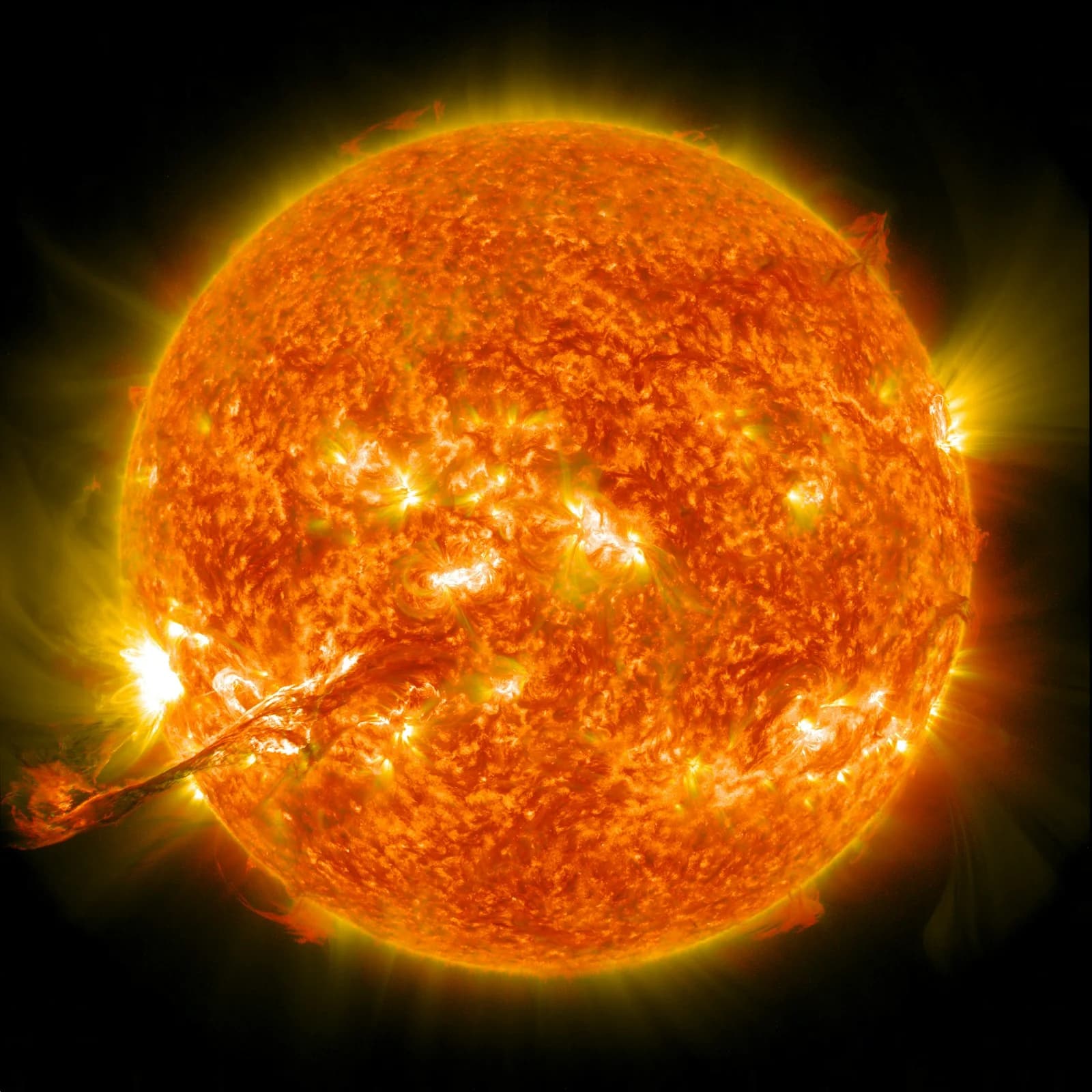
The team studied records from 11 November 2025, when a powerful solar eruption produced what scientists designate Ground Level Enhancement (GLE) #77. According to the ministry, this is the first time GLE signatures have been detected from the gamma-ray detectors at the Maitri station in Antarctica and at Ny-Ålesund in the Arctic. The findings were published in The Astrophysical Journal Letters.
What is a Ground Level Enhancement?
A Ground Level Enhancement is a sudden rise in cosmic-ray particles measured at Earth's surface, caused by extremely energetic particles - mainly protons - thrown out by the Sun. The ministry described GLEs as among the most extreme forms of solar energetic particle events. They are usually linked to intense solar flares and fast coronal mass ejections. When these particles hit the atmosphere, they produce showers of secondary particles that instruments on the ground can record.
The 11 November 2025 event was associated with an intense X-class solar flare, a fast coronal mass ejection and a strong solar energetic particle event, the ministry said.
What did the Indian detectors find?
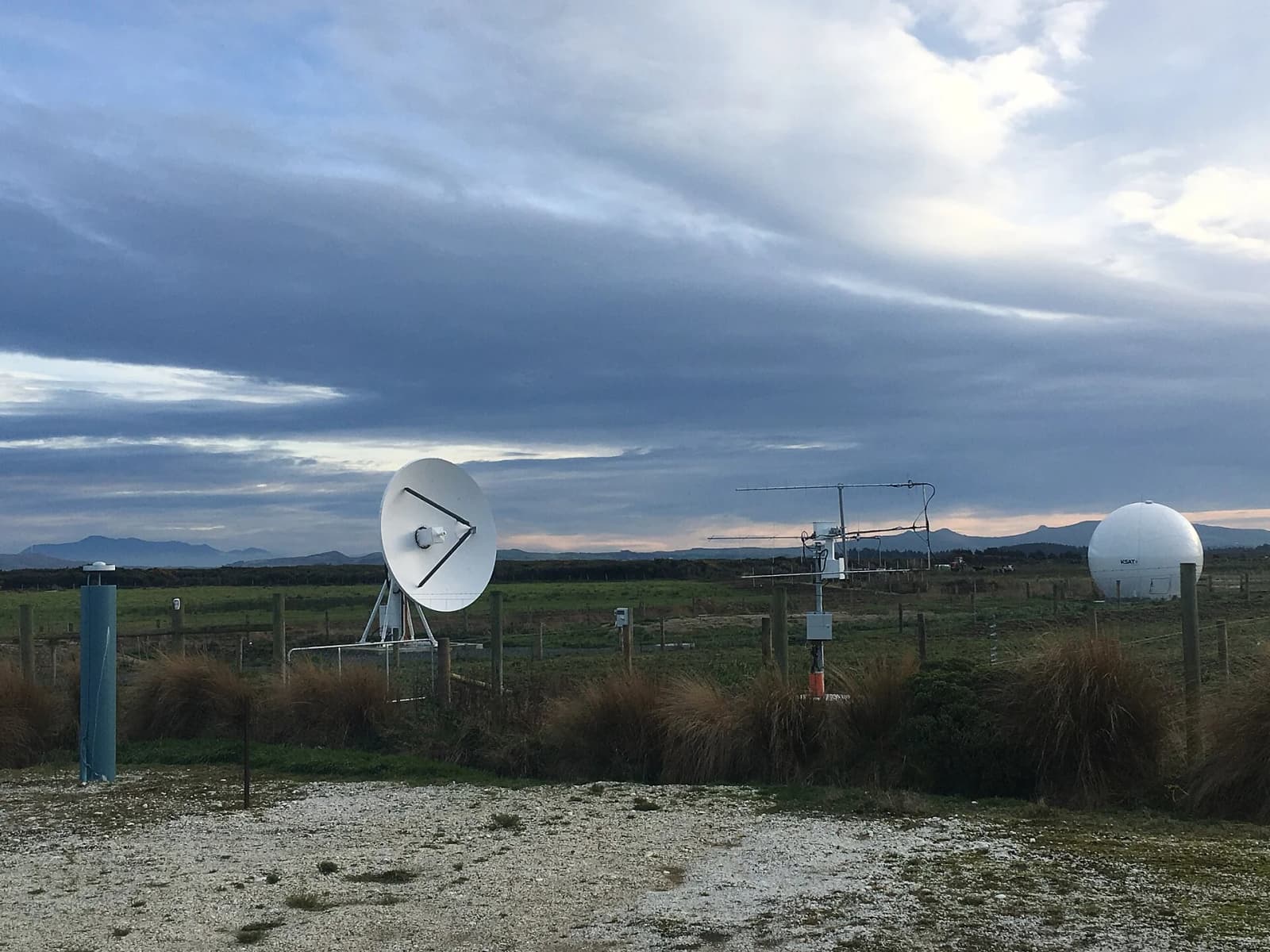
IIG installed sodium iodide (NaI(Tl)) scintillation gamma-ray detectors at both polar stations as part of its research on cosmic rays and space weather. The researchers checked that the rise in gamma-ray counts on 11 November 2025 came from the solar event and not from other sources, such as natural radioactivity on the ground, lightning-related gamma-ray bursts in thunderstorms, or gamma-ray bursts from deep space.
The two stations responded differently: the Antarctic station at Maitri showed a prompt rise, while the response at Ny-Ålesund in the Arctic was more gradual, according to the ministry. The gamma-ray readings matched measurements from neutron monitors, the instruments traditionally used to detect GLEs.
A preprint of the study describes it as the first ground-based detection of a GLE using gamma-ray detectors operating at the same time in both polar regions. It reports a prompt peak at 10:38 UT and a delayed peak at 13:08 UT, and finds that the size of the enhancement depended strongly on the local geomagnetic cutoff, which governs how easily charged particles from space can reach a given location.
The ministry named the researchers as G. Vichare, P. Thakur and C. Selvaraj of IIG, an autonomous institute of the Department of Science and Technology, together with N. Gopalswamy of NASA.
Why does it matter?
According to the ministry, studying GLEs helps improve understanding of the Sun-Earth connection and assess the potential impacts of extreme space-weather conditions. It said gamma-ray detectors are relatively compact and cost-effective compared with conventional neutron monitors. A wider network of such detectors at selected locations could complement existing monitoring systems and expand the geographic coverage of ground-based observations, it said.
The ministry called the detection a demonstration of the scientific value of India's polar observation capabilities and said it opens the possibility of a complementary global network of gamma-ray detectors for space-weather monitoring. It did not announce any plan or timeline for building such a network.