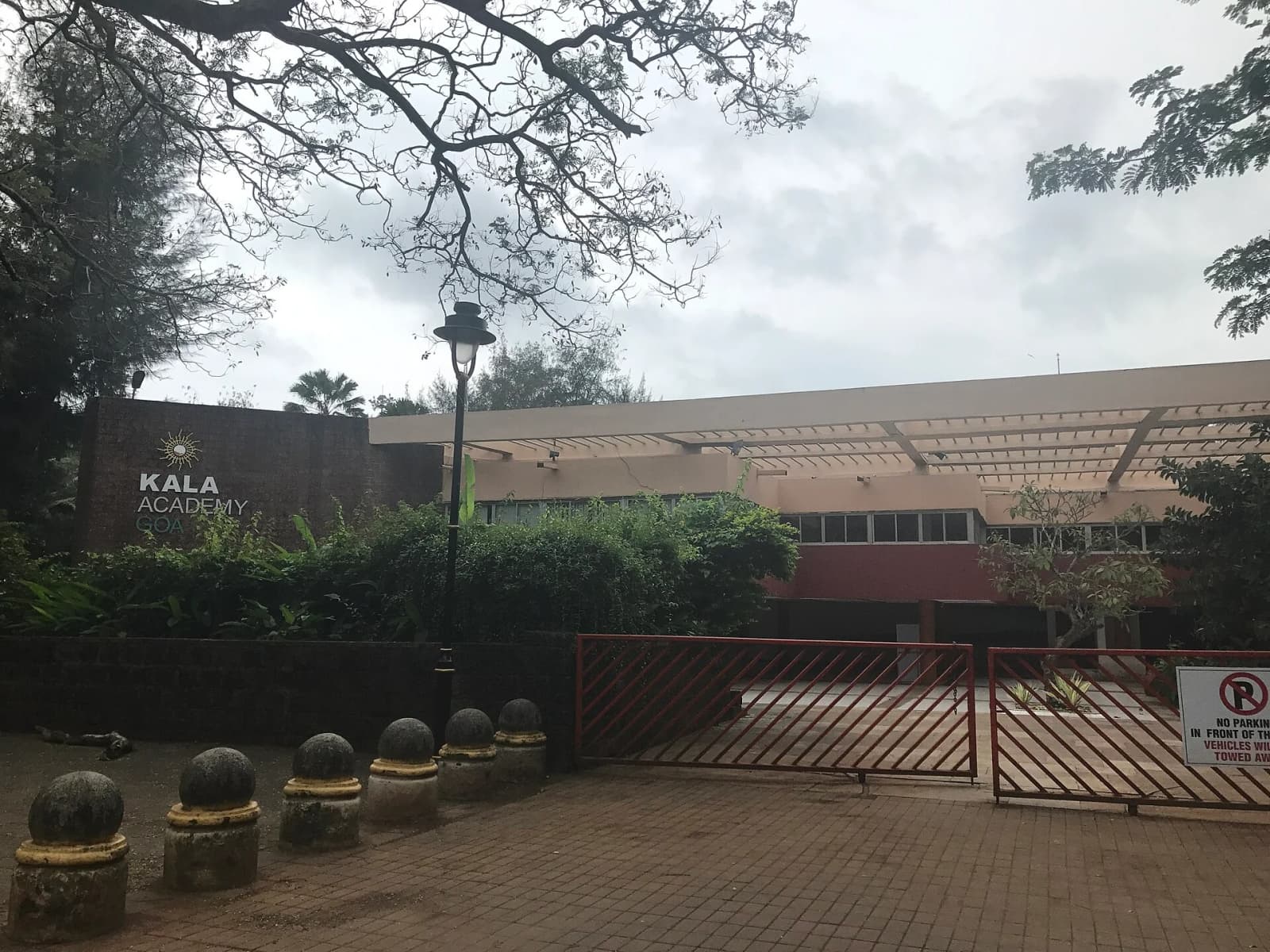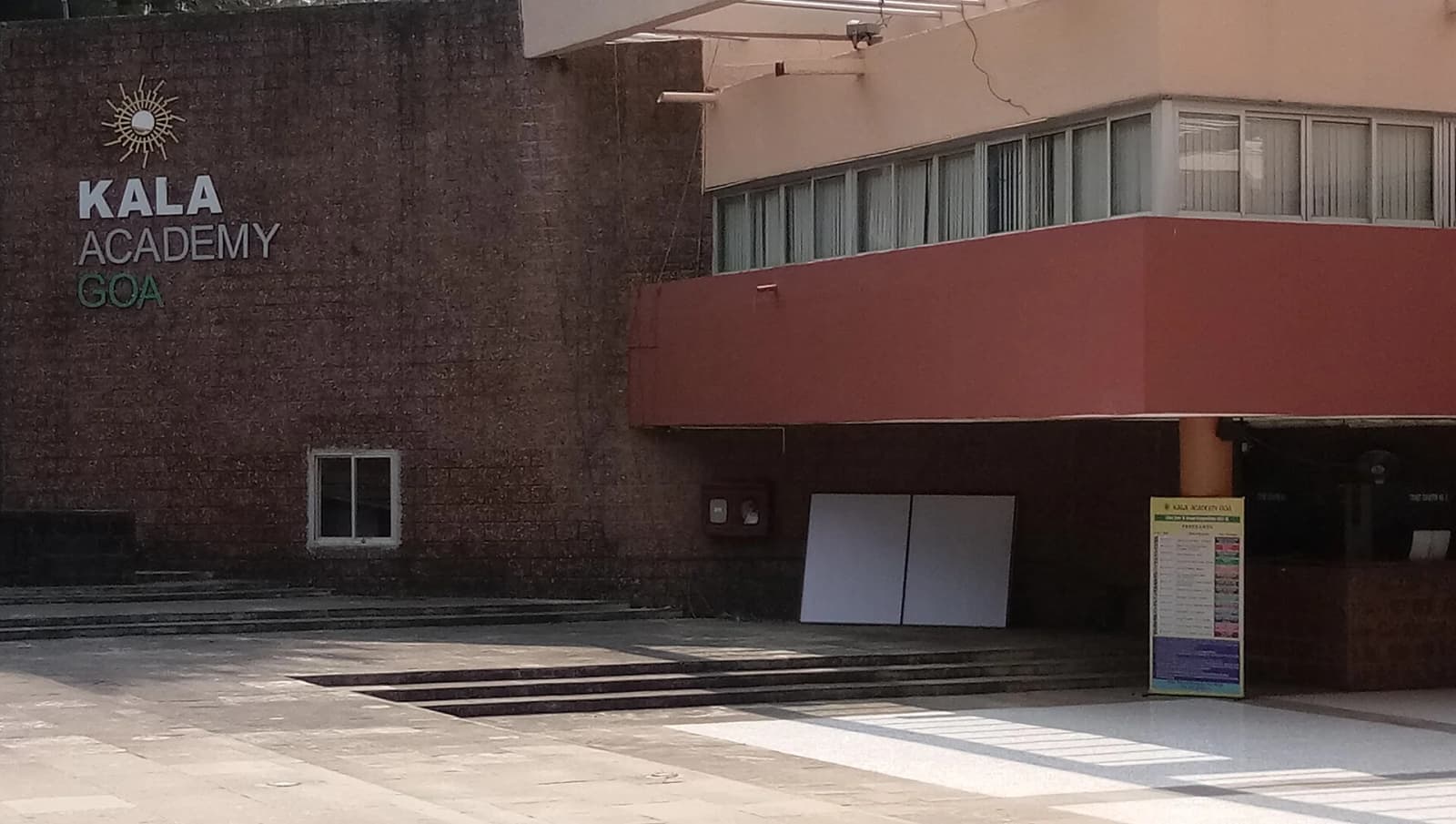
Romanian writer-director and producer Bogdan Mureșanu told an audience at the 57th International Film Festival of India (IFFI) in Goa on 24 November 2026 that storytelling belongs to everyone, not only to filmmakers, and that a film stops belonging to its maker once viewers begin to respond to it. He was speaking at a masterclass titled 'The Thin Borders Between the Reality and Fiction', according to a release issued by the Press Information Bureau (PIB) the same evening.
What did Mureșanu say about who owns a film?
He said a film becomes a shared experience once it reaches an audience. "When a monologue in your mind becomes a dialogue, the film is no longer yours alone," he said, as quoted by PIB. The release said he told the gathering of film-lovers, students and industry professionals that stories, from everyday anecdotes swapped among friends to feature films, help people make sense of the world and imagine other possible realities.
On craft, Mureșanu argued that a feature film needs a single, clear central idea. A novel can wander into side plots, he said, but a two-hour film has to keep its context, premise and themes lined up behind one strong vision.
Why leave things unshown?
Mureșanu spoke about the value of what a film does not show. PIB said he recalled a scene in one of his films where he chose not to show a character lighting a firecracker, leaving the moment to the viewer's imagination. That kind of restraint, he said, lets audiences take part emotionally in the story.
Archive footage is not neutral, he argued
The director questioned the idea that archival footage is a fully objective record of history, saying every camera captures only one point of view. Referring to his films The Christmas Gift and The New Year That Never Came, he said archive material and fiction can support each other. "When fiction works as a simplified model to understand reality, it becomes one with reality. They feed each other," he said.
He also explained his visual choices. According to PIB, he used the 4:3 aspect ratio in films set in Romania's communist era so that they would sit alongside archival footage and feel intimate and confined. For his animated short The Magician, by contrast, he used a wide frame that turned the harbour setting into an active part of the story.
Faces over spectacle
Turning to current cinema, Mureșanu said real cinematic power comes less from pace or spectacle than from the human face and what a look can convey. In a question-and-answer session that touched on historical biopics, mythology and the ethics of portraying real people, he mentioned a recent offer to direct a biopic of a well-known figure. PIB did not name the person. He said that focusing on one defining chapter of a life can reveal more than trying to cover an entire biography.
He closed by urging storytellers to look beyond the views they have inherited, engage with the wider world and then return to their roots with courage and clarity.
Why it matters
Masterclasses are one of the main ways IFFI brings working filmmakers face to face with students and young professionals. The same day's programme also included a panel on women filmmakers, 'Her Lens, Her Legacy, Her Liberty: Women Shaping World Cinema', and the close of the 20th edition of the WAVES Film Bazaar, All India Radio News reported. Earlier on 24 November, Prasar Bharati announced the winners of its first 'Page Se Pitch Tak' script lab at the festival.
What next
The 57th IFFI, held under the theme 'Stories Without Borders', continues in Goa until 28 November 2026.
Photo source · Vighneshshirgurkar, CC BY-SA 4.0