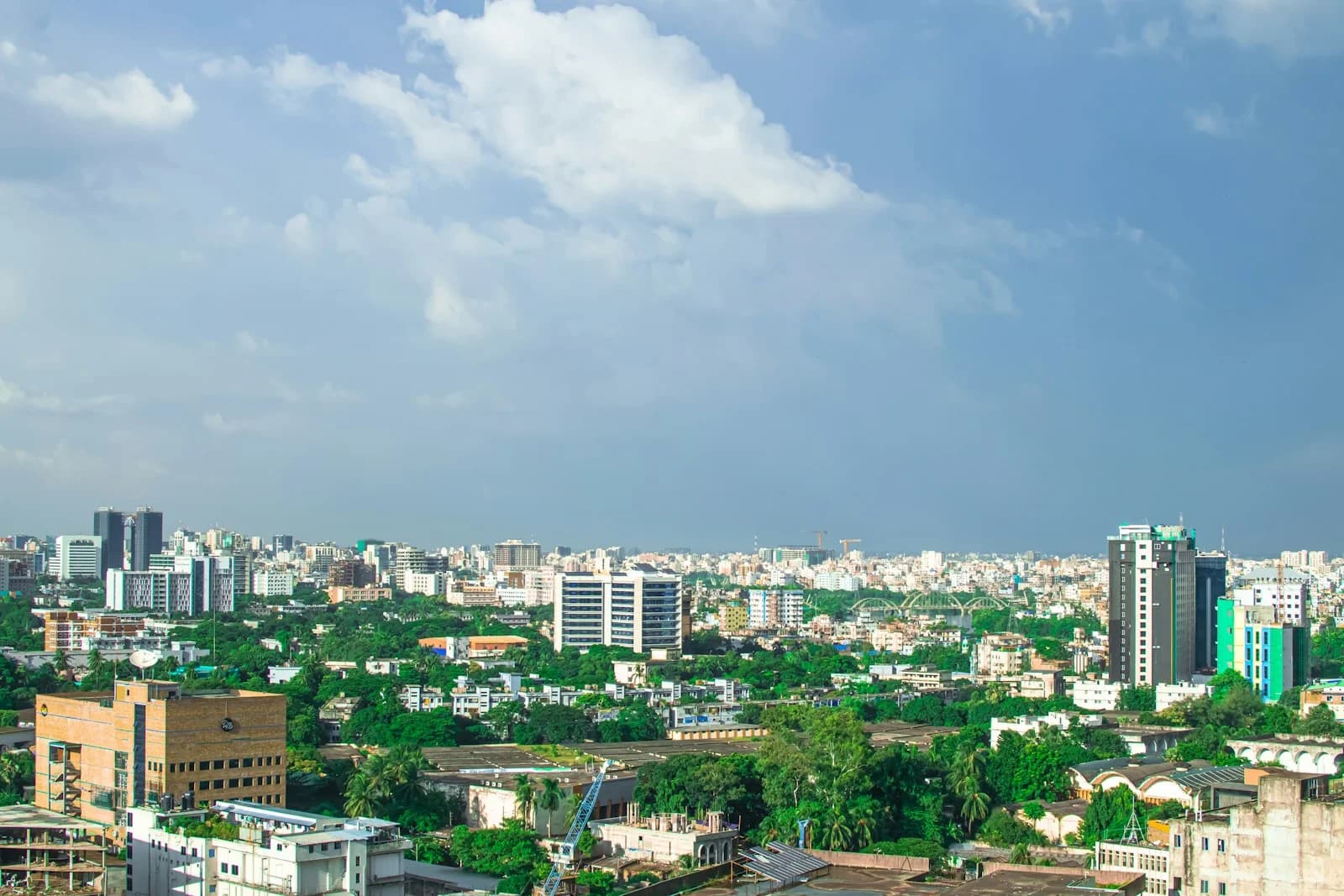
A strong El Niño could bring a wetter and warmer winter to much of the Hindu Kush Himalaya, raising the risk of floods, landslides and avalanches in the western Himalaya, including parts of northern India, the International Centre for Integrated Mountain Development (ICIMOD) said on 23 November 2026. The Kathmandu-based intergovernmental centre made the warning in its media advisory on its HKH Winter Outlook 2026, which covers November 2026 to February 2027.
The outlook was prepared with Beijing Normal University and the Institute of Atmospheric Physics of the Chinese Academy of Sciences.
What does the outlook forecast for India and its neighbours?
It points to deeper-than-normal snow in parts of Afghanistan, Pakistan, northern India and Nepal. According to the report, above-normal precipitation is expected in Afghanistan, Bangladesh, northern Myanmar and Nepal, while the western Himalaya could see localised floods, landslides and avalanches.
The picture is different further east. ICIMOD expects shallower snow in parts of Bhutan and eastern Xizang (Tibet) in China. Less snow there could mean lower river flows in spring, with knock-on effects for irrigation and hydropower.
Dry spells are also a concern. The centre flagged high to very high danger of forest and grassland fires in southeastern Xizang and parts of Myanmar.
Why is El Niño the driver this year?
El Niño is a periodic warming of the eastern Pacific Ocean that shifts weather patterns around the world. ICIMOD cited the US National Oceanic and Atmospheric Administration (NOAA), which reports a strong-to-very-strong El Niño with about a 60% chance of it becoming the strongest since records began in 1950. Warmer winter conditions, the centre noted, can also mean more rain falling instead of snow.
What did ICIMOD experts say?
Sarthak Shrestha, the report's lead author, said that "weather systems and rivers do not stop at national borders, and neither should the knowledge we use to understand them."
Saswata Sanyal, ICIMOD's Intervention Manager for Disaster Risk Reduction, cautioned that the outlook "cannot say when the next avalanche will strike". He said it is meant to show governments where they can agree on early action.
Manish Shrestha, a hydrologist at the centre, said "preparedness cannot end with the monsoon", adding that local authorities need seasonal outlooks to plan ahead as rainfall becomes more erratic and intense.
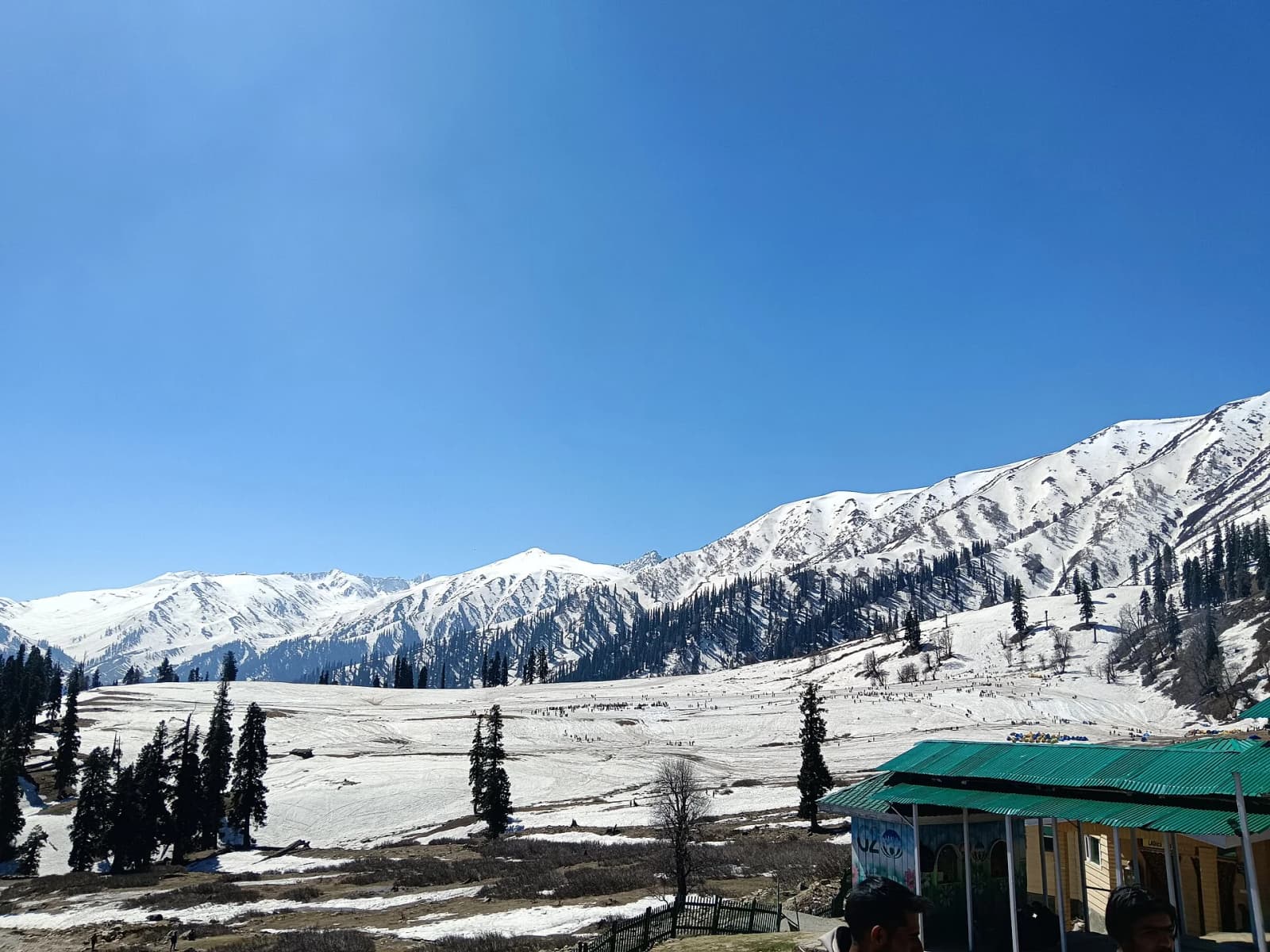
Mohd Farooq Azam, Senior Intervention Manager for the Cryosphere, said winter precipitation shapes both mountain hazards and water security downstream. He noted that good snowfall could also support ski tourism in Gulmarg in Jammu and Kashmir and Auli in Uttarakhand.
On fire risk, Ashish Tiwari, ICIMOD's Air Lead, pointed out that Nepal has a national forest fire action plan and a satellite-based fire detection system, and said early action can limit both the spread of fires and the smoke reaching communities.
Why it matters
The Hindu Kush Himalaya stretches about 3,500 km across eight countries and supports up to two billion people, according to ICIMOD. The centre recalled the rock-ice avalanche in Nepal's Rasuwa district in August 2026, which Nepal's National Disaster Risk Reduction and Management Authority estimates cost the country US$4.7 billion in relief and reconstruction.
For India, the key signals are the deeper snowpack forecast for parts of the north and the flood, landslide and avalanche risks flagged for the western Himalaya. ICIMOD's broader point is that winter snow also determines how much water reaches rivers and farms downstream once it melts.
What happens next?
The outlook is seasonal guidance, not a day-by-day forecast, and actual conditions in any given valley may differ. ICIMOD will host a conference titled "Advancing Science, Policy, and Regional Cooperation for the HKH Cryosphere" in Kathmandu from 25 to 27 November 2026, as part of the UN Decade of Action for Cryospheric Sciences (2025–2034).
Photo source · Ask6626, CC BY-SA 4.0